Author: Site Editor Publish Time: 16-03-2026 Origin: Site


In schools, office buildings, shopping malls, and airports, public drinking fountains are essential public amenities. However, as awareness of public health continues to grow, microbial contamination at drinking water terminals has become a key concern for both operators and equipment manufacturers.
Traditional filtration systems mainly remove impurities, particles, and odors, but they cannot effectively eliminate microorganisms that develop within water pipelines. The adoption of UVC LED deep ultraviolet disinfection technology is transforming this situation, offering a reliable solution for the sterilization of water in drinking fountains and significantly improving drinking water hygiene and safety.
Most public drinking fountains use basic filtration components such as activated carbon and ultrafiltration membranes. While effective at improving taste and removing sediment, they have inherent limitations when it comes to microbial control. These limitations create several major hygiene risks.
1. Secondary contamination in water pipelines
When filter cartridges are not replaced on time, they can become breeding grounds for bacteria. In addition, stagnant water in storage tanks encourages the growth of harmful microorganisms such as E. coli, Legionella, and Pseudomonas aeruginosa. According to hygiene inspection reports, the bacterial exceedance rate at drinking fountain outlets can reach 42% after six months of use, far above the safety threshold defined by drinking water standards.
2. Contamination at the water outlet
The nozzle of a drinking fountain is exposed to the environment and frequently comes into contact with users’ hands, cups, or saliva. Over time, biofilms can develop inside the internal water channels. Traditional filtration systems cannot penetrate these biofilms, making the outlet a long‑term sanitation blind spot.
3. Limitations of traditional disinfection methods
Chemical disinfection methods such as chlorination can generate harmful byproducts like trihalomethanes (THMs), which may pose potential health risks. Frequent filter replacements and chemical treatment also increase operational costs and maintenance workload.
These challenges have created strong demand for a more reliable and maintenance‑friendly solution for the sterilization of water in drinking fountains.
UVC LED technology disinfects water by damaging the DNA or RNA structure of microorganisms, including bacteria, viruses, and protozoa, preventing them from reproducing or remaining active. This physical sterilization method is chemical‑free and leaves no residual contaminants.
Compared with traditional mercury UV lamps, UVC LED technology offers several key advantages specifically suited for drinking fountain applications.
Instant start and on‑demand sterilization
Mercury UV lamps typically require 5–10 minutes of warm‑up time and cannot be switched on and off frequently. In contrast, UVC LEDs activate within milliseconds. They can be linked with the drinking fountain’s water dispensing sensor so that sterilization occurs only when water is dispensed. This “on‑demand” operation reduces energy consumption and extends device lifespan.
Mercury‑free and environmentally safe
UVC LEDs are completely mercury‑free, eliminating the environmental and safety risks associated with mercury lamp breakage. This makes them compliant with global environmental regulations such as the Minamata Convention on Mercury and suitable for food‑grade drinking water equipment.
Compact design for point‑of‑use sterilization
UVC LED modules are extremely compact and can be integrated directly into faucets, outlet nozzles, or terminal water channels. This enables precise point‑of‑use sterilization of water in drinking fountains, ensuring that every drop of water is disinfected at the final delivery point while preventing biofilm formation and secondary contamination.
For drinking fountain manufacturers, water purification brands, and public facility operators, integrating UVC LED modules is more than just a technical upgrade. It significantly enhances product value, operational efficiency, and consumer trust.
Lower maintenance costs
High‑quality UVC LED modules can operate for more than 15,000 hours. Assuming a public drinking fountain operates about four hours per day, the system can last over 10 years without replacement. This dramatically reduces maintenance costs compared with traditional filters that require replacement every 3–6 months.
Stronger product differentiation
In the post‑pandemic era, consumers are increasingly concerned about hygiene and sterilization. Drinking fountains equipped with UVC LED disinfection provide a clear advantage by offering active microbial control, creating strong differentiation from traditional filtration‑only systems.
Improved public health image
For property managers in offices, schools, airports, and transportation hubs, installing drinking fountains with built‑in UVC LED sterilization demonstrates a commitment to public health and safety. This helps enhance the facility’s service image while reducing complaints related to drinking water hygiene.
Easy integration with smart systems
UVC LED modules can be integrated directly with the fountain’s control board and sensor system. This allows advanced features such as real‑time sterilization status display, filter life reminders, and remote monitoring of sterilization data through IoT platforms.
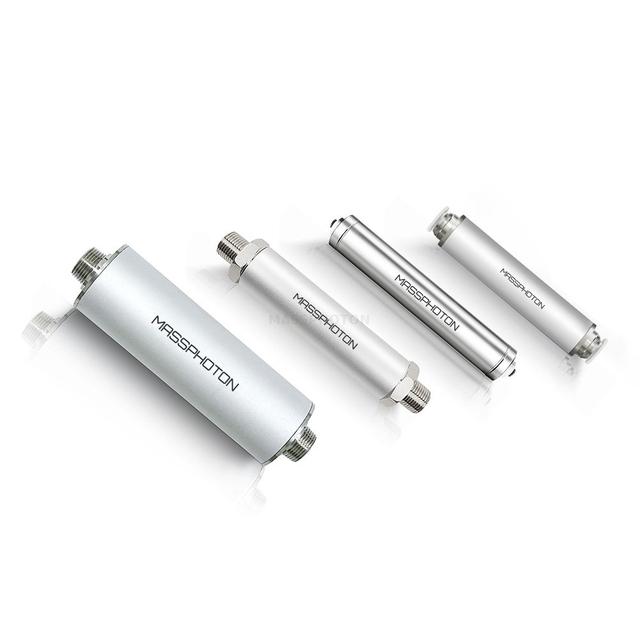
MASSPHOTON specializes in deep ultraviolet UVC LED disinfection technology. For drinking fountains and direct drinking water systems, the company has developed compact water sterilization modules optimized for low‑flow, dynamic dispensing environments with limited installation space.
Key features include:
High sterilization efficiency – Up to 99.999% elimination of microorganisms such as E. coli and Staphylococcus aureus.
Low‑power operation – Designed to integrate seamlessly with both public and household drinking water systems.
Custom integration solutions – Tailored designs based on equipment structure, including engineering support for module integration and system testing.
These modules provide an effective and reliable solution for sterilization of water in drinking fountains, ensuring safe drinking water at the point of use.
The drinking fountain industry is evolving from basic convenience toward convenience, safety, and intelligent management. As this transformation accelerates, UVC LED deep‑UV sterilization is rapidly becoming a standard component in next‑generation drinking water equipment.
Future systems will combine real‑time water quality monitoring, sensor‑activated sterilization, and cloud‑based disinfection data tracking, creating a fully integrated smart water safety ecosystem.
By integrating UVC LED disinfection technology, drinking fountain manufacturers and operators can move beyond traditional filtration and provide active microbial protection, ensuring that every public drinking water terminal delivers safe, hygienic, and reliable drinking water.
Interested in implementing advanced sterilization of water in drinking fountains for your products?
Visit the MASSPHOTON Solutions Center to start your collaboration.