Can We Use Ultraviolet Lights in the Bedroom to Remove Musty Smell? An In-Depth Look at UVC Solutions
There’s nothing more unsettling than walking into your bedroom and being hit by a persistent musty odor. No matter how often you clean, wash the bedsheets, or open the windows, that damp, earthy smell lingers on. It can make even the most beautifully decorated room feel uncomfortable and unhygienic.
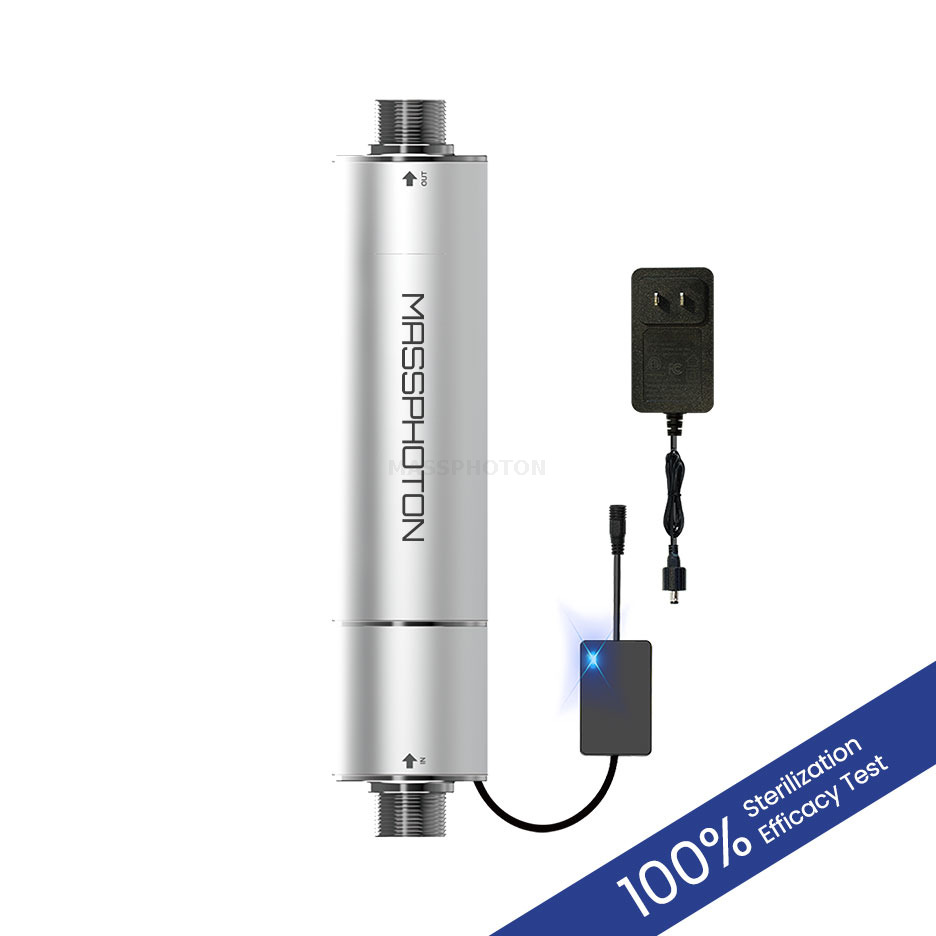
UVC LED Water Disinfection: How Does It Work?
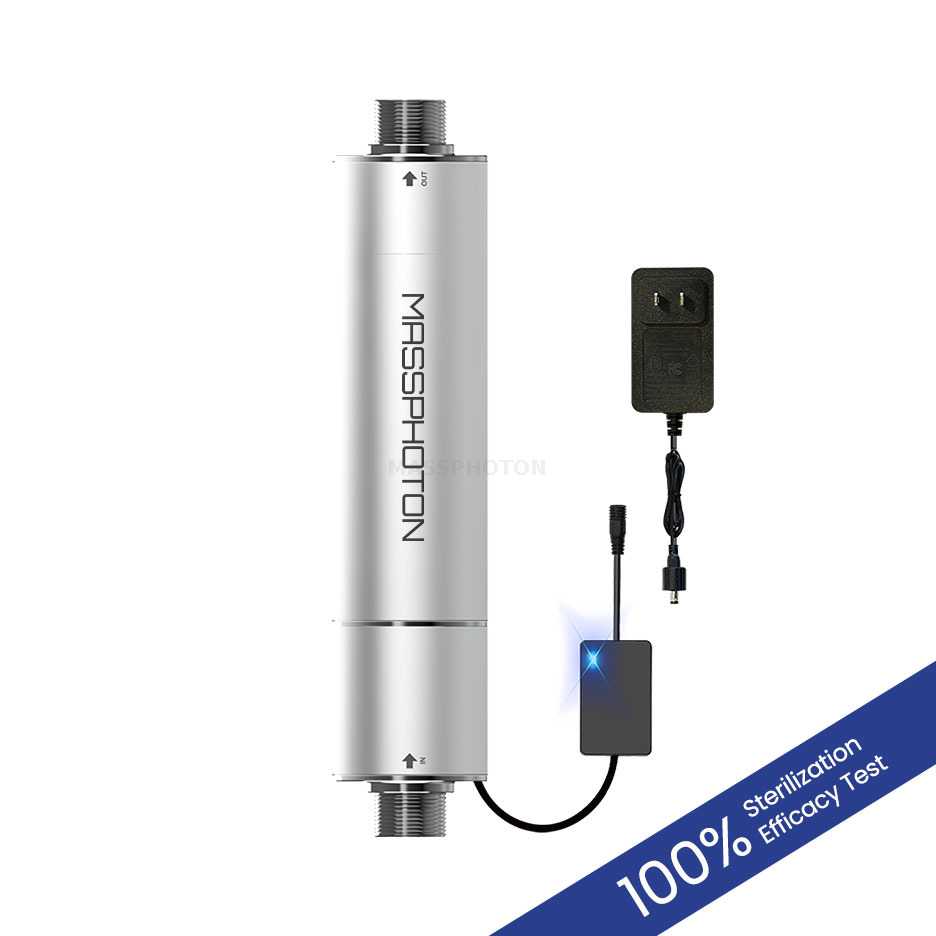
Deploying solid-state UVC LED water disinfection systems requires an accurate assessment of reactor hydrodynamics, targeted wavelengths, and source water quality variables like UV Transmittance (UVT). Unlike fragile, continuous-burn mercury lamps, deep UV LEDs offer space-saving footprints and instant on/off cycling that match real-world fluid dynamics. By coupling constant-current drivers with robust thermal management arrays, facility engineers can deliver precise germicidal doses to neutralize chlorine-resistant pathogens. This technical overview provides the sizing criteria, implementation strategies, and regulatory compliance paths needed to secure sustainable, chemical-free biosecurity.

What Is UVC LED Technology?
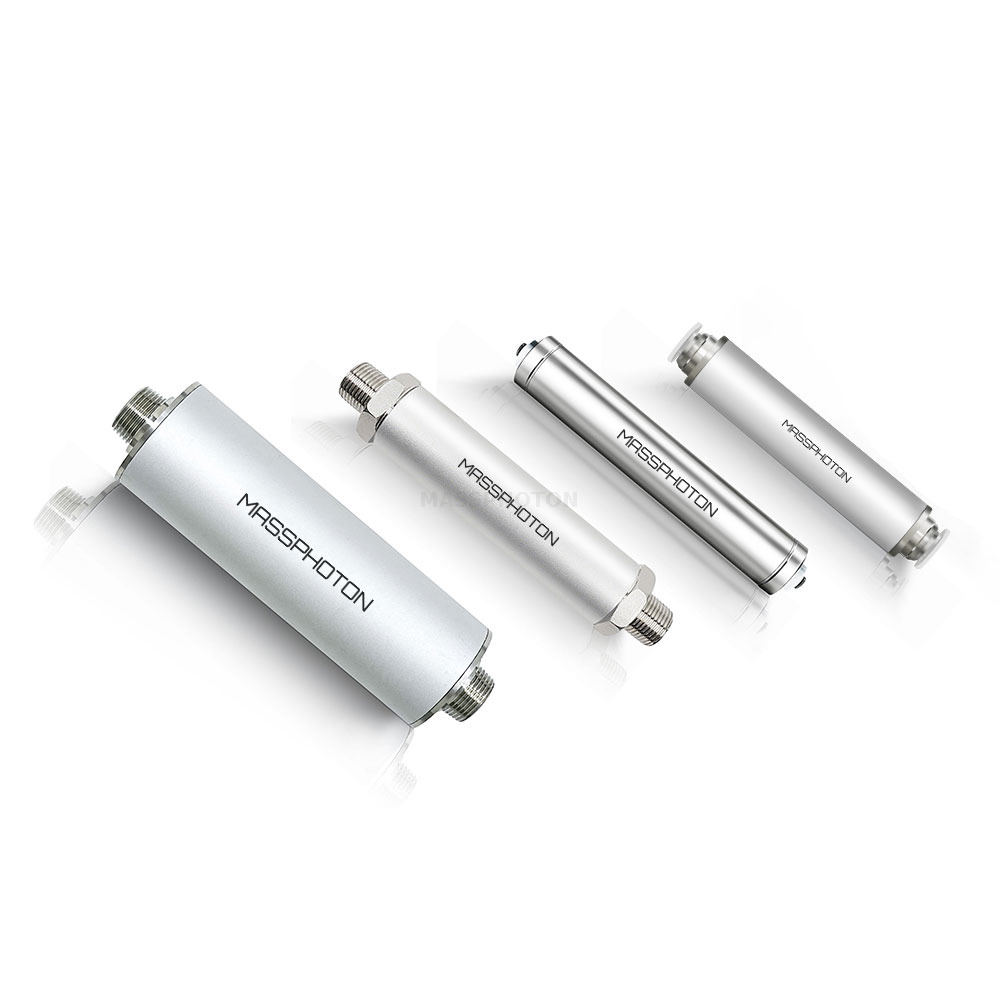
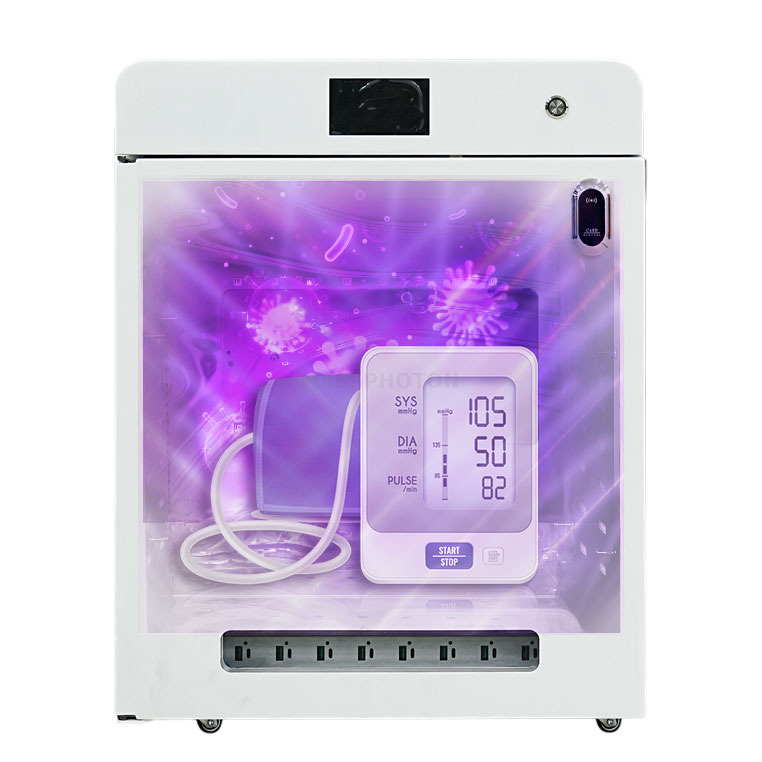
Integrating solid-state UVC LED technology into modern disinfection equipment requires a rigorous analysis of semiconductor mechanics, optical power output, and thermal management. Operating in the critical 200–280nm germicidal range, AlGaN-based diodes target the absolute peak absorption curve of pathogen DNA and RNA to deliver chemical-free purification. Transitioning away from legacy mercury vapor lamps eliminates toxic heavy metals, introduces instant-on cycling capabilities, and offers compact design flexibility. By managing junction temperatures and implementing robust driver controls, engineers can successfully deploy highly efficient UVC LED systems for reliable water, air, and surface treatment.
Product Recommendations