Author: Site Editor Publish Time: 31-07-2026 Origin: Site


UV water treatment for waterborne diseases is a proven method for protecting drinking water from harmful microorganisms. Waterborne diseases are caused by bacteria, viruses, protozoa, and parasites in contaminated water, and they remain a serious public health concern worldwide. Unlike chemical disinfection, UV treatment does not add chlorine or other substances to the water, making it a clean and effective option for modern water safety systems.
UV disinfection works by damaging the DNA or RNA of microorganisms so they can no longer reproduce or cause disease. For homes, commercial buildings, and industrial water systems, uv water treatment for waterborne diseases is often used as the final barrier against microbial contamination. It is especially effective against pathogens such as E. coli, Giardia, and Cryptosporidium.
Contaminated drinking water can spread a wide range of illnesses. Common waterborne pathogens include:
E. coli
Giardia
Cryptosporidium
Salmonella
Norovirus
Hepatitis A virus
Because UV light can inactivate many of these microorganisms, uv water treatment for waterborne diseases is widely used in homes, schools, hospitals, hotels, food processing plants, and municipal water systems.
uv water treatment for waterborne diseases offers several major advantages over traditional treatment methods.
UV disinfection is effective against many waterborne microorganisms, including chlorine-resistant protozoa such as Giardia and Cryptosporidium.
Unlike chlorine or ozone treatment, UV does not leave chemical residue or create harmful disinfection by-products.
UV treatment works within milliseconds and supports continuous water flow, making it suitable for high-demand applications.
UV systems are simple to operate, energy efficient, and cost-effective over the long term.
UV disinfection produces no wastewater, no exhaust gas, and no solid waste, which makes it a sustainable water treatment solution.
uv water treatment for waterborne diseases is suitable for many applications, including:
Residential drinking water systems.
Municipal water treatment and reclaimed water disinfection.
Schools, hospitals, hotels, restaurants, and other public buildings.
Rural water purification projects.
Food and beverage, pharmaceutical, and aquaculture water systems.
To achieve the best results, uv water treatment for waterborne diseases should always be combined with pre-filtration. Turbid water and suspended solids can block UV light and reduce disinfection performance. The quartz sleeve should also be cleaned regularly to prevent scaling and maintain stable UV output.
uv water treatment for waterborne diseases is one of the most reliable and practical ways to improve drinking water safety. It provides chemical-free disinfection, protects against common pathogens, and supports safe water treatment across residential, commercial, industrial, and municipal applications.
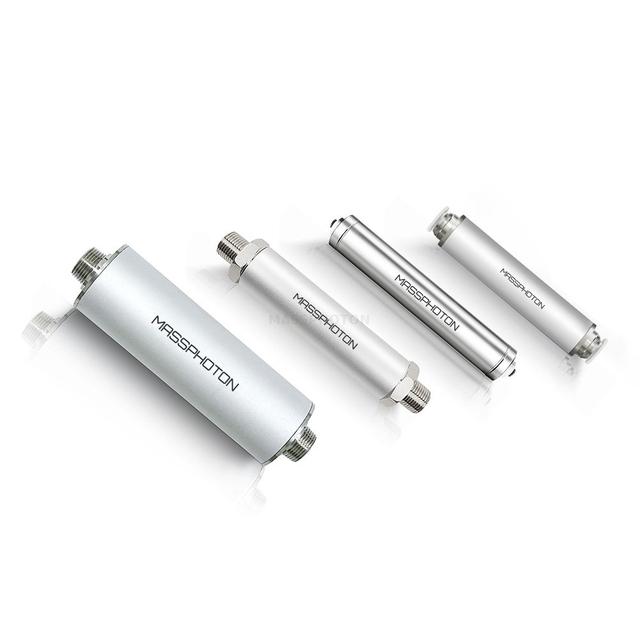
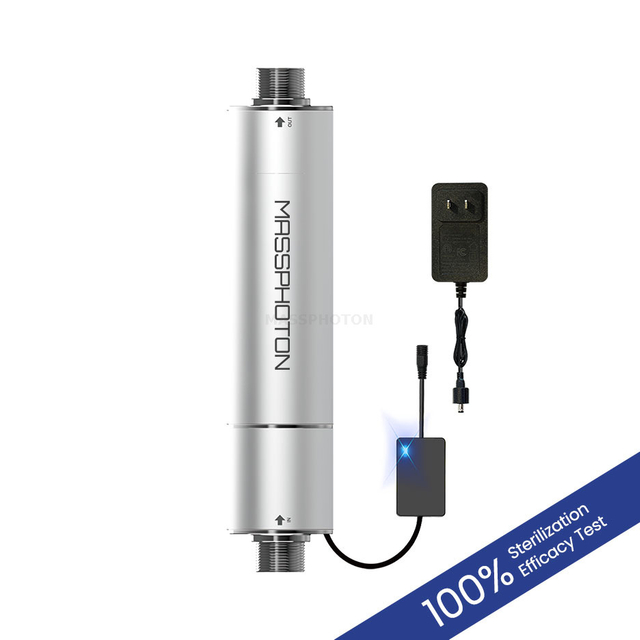
MASSPHOTON’s UVC LED UV disinfection systems are designed to deliver stable and efficient pathogen control for a wide range of water treatment projects.