

Commercial Application Scenarios
UV Water Treatment for Poultry Farms
Solving Drinking Water Safety Dilemmas in Poultry Farming
Key Challenges
Key challenges constraining safe operation and efficiency improvement

Biofilm Pollution in Drinking Water Pipelines
Narrow, bendy poultry drinking lines, plus feed residues and poultry feces entering water, easily form biofilms. Biofilms breed E. coli, Salmonella, Campylobacter, causing chick pullorum, laying hen salpingitis, egg production drop 15%-20%, mortality up to 10%-15%.
Conflict Between Disinfectants and Gut Health
To control drinking water pollution, some farms add antibiotics or acidifiers long-term. Antibiotic abuse disrupts poultry gut flora balance, reduces immunity, leads to resistant bacteria, increasing disease control difficulty; acidifiers temporarily lower pH but have limited biofilm removal, irritating chick digestive mucosa and affecting feed intake.
Management Challenges in Large-Scale Farming
Large farms have dozens of sheds, dispersed drinking systems; traditional manual cleaning requires dismantling pipelines per shed, time-consuming (2-3 hours per shed), hard to thoroughly remove inner biofilms; manual water quality testing lags, unable to monitor disinfection in real-time, epidemics spread easily once outbreak.
Solution
A Tiered UV-C Disinfection Architecture for End-to-End Protection
Our multi-layered defense system integrates directly into the water delivery network, providing continuous, chemical-free disinfection from source to beak.
Water Source Pre-Treatment and Main Pipeline Disinfection
Install medium UV-C units at total farm inlets (e.g., reservoir outlets, municipal interfaces) for initial disinfection; deploy small UV-C modules at each shed's main drinking pipeline entrance, forming "total-branch" two-level system, ensuring all water entering sheds is sterilized.
Terminal Nipple / Trough Disinfection
Add micro UV-C components at chick shed drinking trays and laying hen nipple fronts, ensuring terminal output ≤50CFU/mL, avoiding pathogen contact during drinking. Some high-end models use LED UV-C sources, compact (2cm diameter), directly embeddable without system modification.


Value Embodiment
Synergistic Optimization of Safety, Efficiency, and Cost
Transitioning to UV-C disinfection is not just an expense; it's a strategic investment that delivers a rapid return through reduced mortality, lower operational costs, and access to premium markets.
Ensure Poultry Health, Reduce Disease Losses
Reduce Chemical Dependency, Improve Product Quality
Optimize Management Processes, Lower Operating Costs
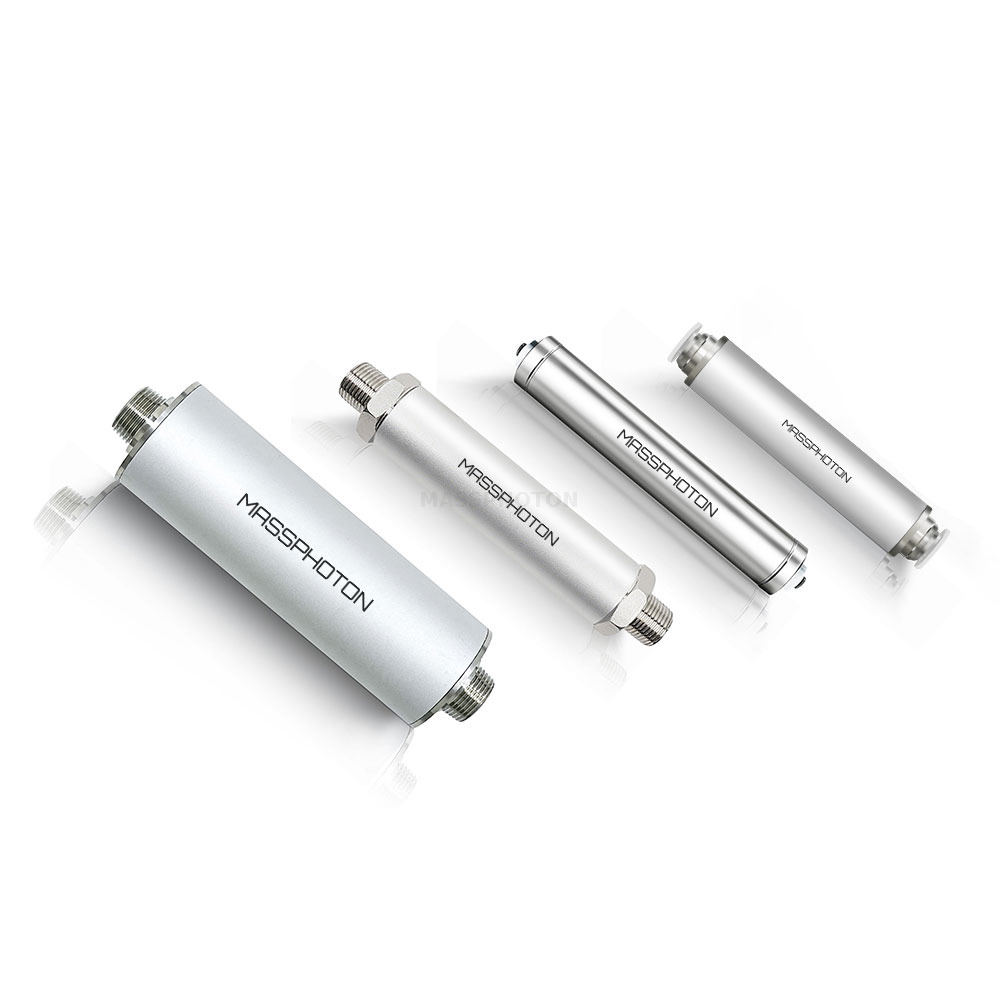
Product Recommendations
The company possesses an experienced R&D team capable of designing and manufacturing precision screws of various specifications according to customer needs.


FAQ
Q1. How does UV Water treatment reduce poultry mortality?
Water is the most common vector for diseases in a poultry farm. Pathogens such as E. coli, Salmonella, and Avian Influenza can spread rapidly through shared drinking lines, leading to mass mortality and high medication costs. Our advanced UV water treatment systems emit high-intensity 275nm UVC light that penetrates the DNA of these microorganisms, neutralizing them instantly. By ensuring that every drop of water entering your sheds is 99.999% pathogen-free, you can:
Prevent Outbreaks: Stop waterborne infections before they reach your flock.
Boost Immunity: Birds drinking clean water have stronger immune systems and better feed conversion ratios (FCR).
Reduce Antibiotic Use: Lower the reliance on expensive medications, resulting in healthier birds and higher market value.
Q2. Is UV water disinfection safe for chicks?
Absolutely. In fact, UV disinfection is often safer for day-old chicks than traditional chemical dosing. Young chicks are extremely sensitive to the taste and smell of chlorine or other chemical disinfectants. If the water tastes "off," chicks may reduce their water intake, leading to dehydration and stunted growth.
No Chemicals, No Residue: UV is a physical process. It does not change the pH, taste, or odor of the water.
Immediate Safety: There is no risk of "over-dosing" chemicals that could harm the delicate digestive systems of young birds.
Promotes Early Growth: By providing sterile water from day one, you ensure that the chicks' energy is spent on growth rather than fighting off waterborne bacteria.
Keep in touch with us
Please fill out the form below or contact us through the following methods, and our professional team will provide you with personalized solutions and a detailed quotation.
Mob:+852 28918655
E-mail:info@massphoton.com