
Author: Site Editor Publish Time: 18-05-2026 Origin: Site


Water purification technology is currently undergoing a massive, long-overdue shift. For decades, homeowners relied heavily on traditional mercury-vapor UV lamps and harsh chemical treatments to ensure safe drinking water. Today, solid-state LED solutions proudly lead the industry forward. Buyers desperately need reliable, chemical-free disinfection to protect their families. However, selecting the right system is rarely a simple task. You must navigate complex flow rates, confusing dosage metrics, and strict water quality prerequisites before making a purchase. Making the wrong choice leaves your entire home vulnerable to harmful pathogens. This comprehensive guide provides a highly transparent, evidence-based framework. You will learn exactly how to evaluate, size, and implement a high-quality uvc led water treatment system. We help you secure biological water safety without overpaying for unnecessary features or compromising on core safety mechanisms. Read on to discover the exact technical specifications your residential water supply demands.
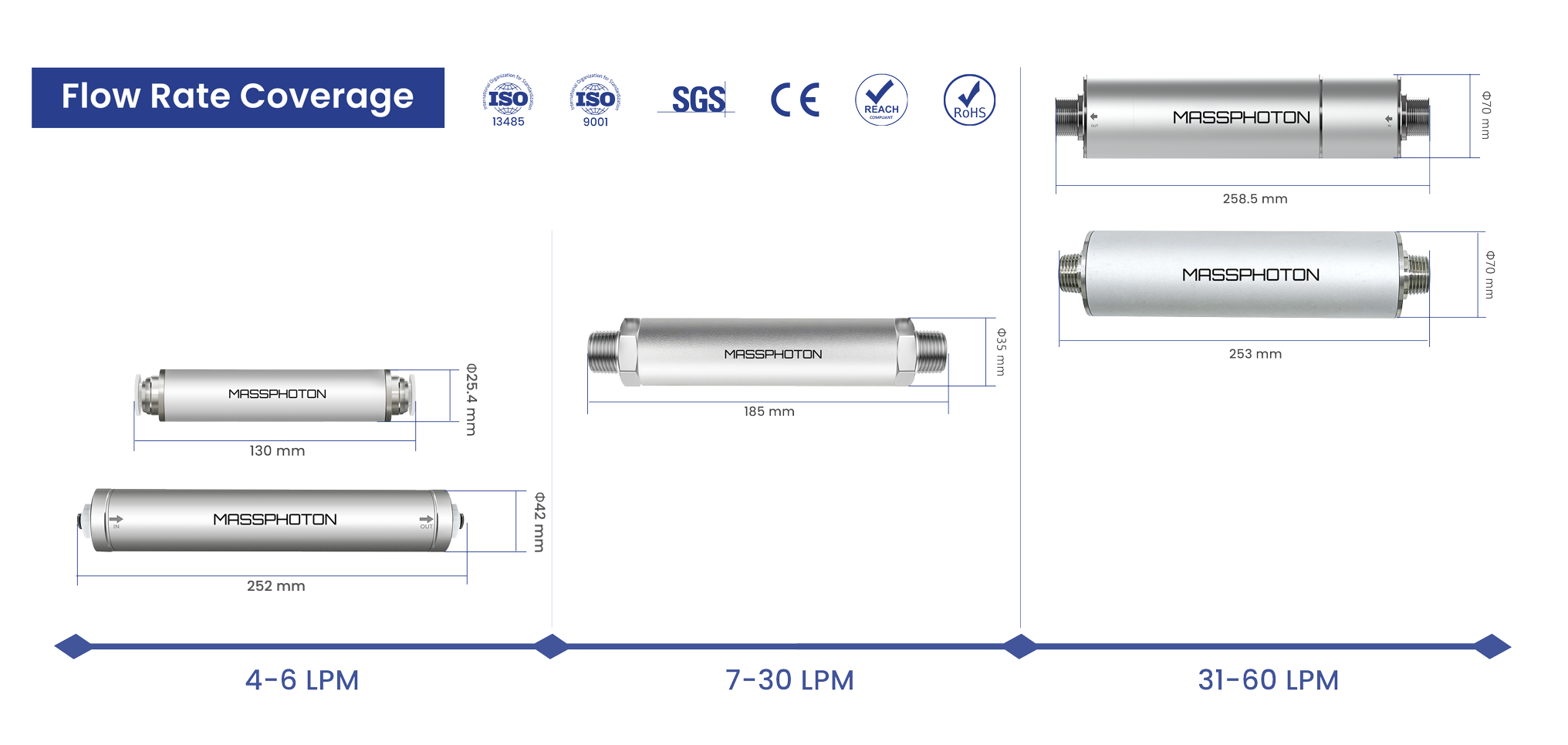
Core Function: UVC LED effectively neutralizes up to 99.99% of bacteria, viruses, and cysts (including E. coli, Giardia, and Cryptosporidium) by destroying their DNA/RNA.
Strict Boundaries: It is a disinfection tool, not a physical filter. It does not remove iron, heavy metals, sediment, or odors.
The Failure Risk: Installing a UVC LED unit without proper pre-filtration. Hard water or sediment will block the UV light (shadowing) and render the system useless.
The LED Advantage: Unlike traditional UV, UVC LEDs contain no mercury, require no warm-up time (instant on/off), and eliminate the need for annual lamp replacements.
Sizing Metric: Systems must be sized based on peak Flow Rate (Gallons Per Minute / GPM) and necessary UV Dose (mJ/cm²), not just physical pipe size.
When you evaluate water purification methods, you must clearly understand exact product capabilities. UVC light operates specifically in the 100-280nm ultraviolet spectrum. It functions purely as a biological targeting mechanism. High-intensity light energy penetrates the outer cell walls of microscopic organisms. It physically destroys their core DNA and RNA structures. Once the DNA shatters, they instantly lose the ability to reproduce and infect your body.
Verified targets include dangerous Coliform bacteria, E. coli, Cryptosporidium, Giardia, and norovirus. Health experts consider this process a highly effective "dry treatment." It introduces zero harsh chemicals into your household plumbing. It leaves absolutely no chemical residue behind after the water passes. It creates no harmful, carcinogenic byproducts. Furthermore, it completely preserves the clean, natural taste of your drinking water.
However, you must respect strict operational boundaries. We often see eager buyers purchase these units expecting an "all-in-one" miracle purifier. This remains a very dangerous marketing myth. UVC light cannot remove physical dirt or particulates. It will never extract dissolved chemical solids from your underground well supply. If your well water smells strongly like rotten eggs or sulfur, this system will not fix it. It cannot filter out rust flakes, heavy lead, or thick calcium scaling. It serves one vital, specific purpose: total biological deactivation.
Let us compare this modern approach directly to traditional mercury UV lamps. Traditional systems rely heavily on continuous electrical power. Mercury lamps must run 24/7 just to maintain their required operational temperature. They waste massive amounts of electricity and generate significant, unwanted heat inside your plumbing pipes. Conversely, LEDs feature highly intelligent, instant activation. They only power on when water actually flows through the main chamber. This completely eliminates dangerous heat buildup inside stagnant pipes.
Maintenance realities also differ drastically between the two technologies. Standard mercury lamps degrade quite quickly over time. You must physically replace the fragile glass bulbs every single year. Modern LED diodes completely eliminate this tedious annual chore. They require zero annual bulb changes during their operational lifespan. This creates a massive, undeniable operational advantage. Remote cabins, off-grid RVs, and low-maintenance smart homes benefit greatly from this robust, install-and-forget reliability.
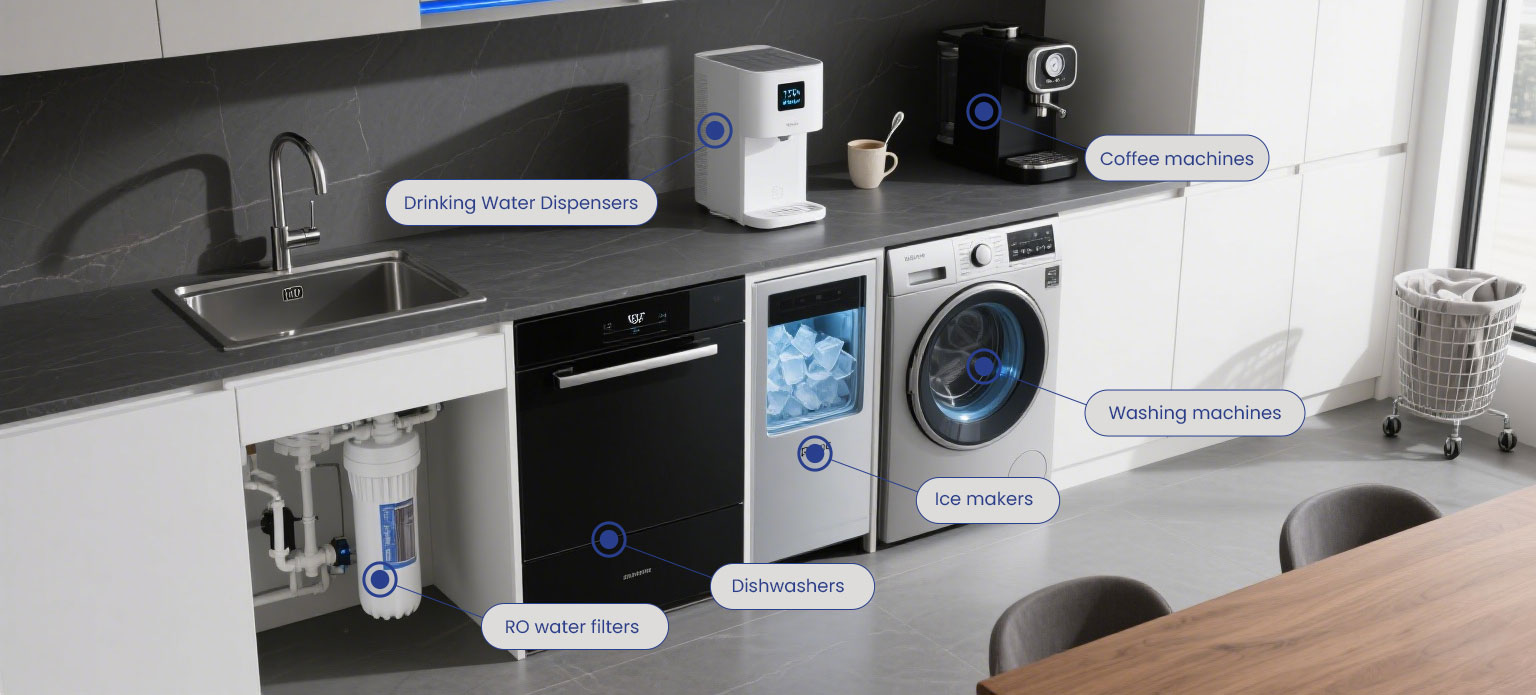
Many frustrated homeowners experience total system failure simply because they ignore mandatory pre-treatment steps. You must fully understand the dangerous "shadowing" effect. Microscopic dirt and sediment particles act as tiny physical shields. Dangerous pathogens literally hide right behind these physical barriers. The intense light rays travel exclusively in a straight line. If floating dirt blocks the light ray, the hidden bacteria survive the exposure. They bypass the primary sanitation chamber completely. They enter your kitchen faucet fully alive and highly infectious.
Hard water presents another massive, often-ignored failure risk. Dissolved minerals like excess calcium and heavy magnesium cause severe quartz fouling. The internal diodes transmit light through a crystal-clear, transparent optical window. Unfiltered hard water quickly creates an opaque, cloudy film over these delicate optical components. This stubborn mineral scale severely blocks critical UV transmittance (UVT). Ultimately, the sanitizing light never actually reaches the flowing water.
You must consistently meet mandatory water quality thresholds before installing any disinfection equipment. Always test your primary water source thoroughly. Ensure your daily supply meets these exact, non-negotiable parameters:
Water Quality Parameter | Maximum Acceptable Level | Why It Matters |
|---|---|---|
Hardness | < 7 gpg (grains per gallon) | Prevents severe scale buildup on the optical window. |
Iron | < 0.3 ppm | Stops rusty staining and major light obstruction. |
Manganese | < 0.05 ppm | Prevents black mineral deposits from blocking the diodes. |
Turbidity | < 1 NTU | Eliminates the deadly biological shadowing effect entirely. |
Tannins | < 0.1 ppm | Stops organic brown discoloration from absorbing UVC energy. |
UV Transmittance (UVT) | > 75% | Ensures enough intense light penetrates the entire water column. |
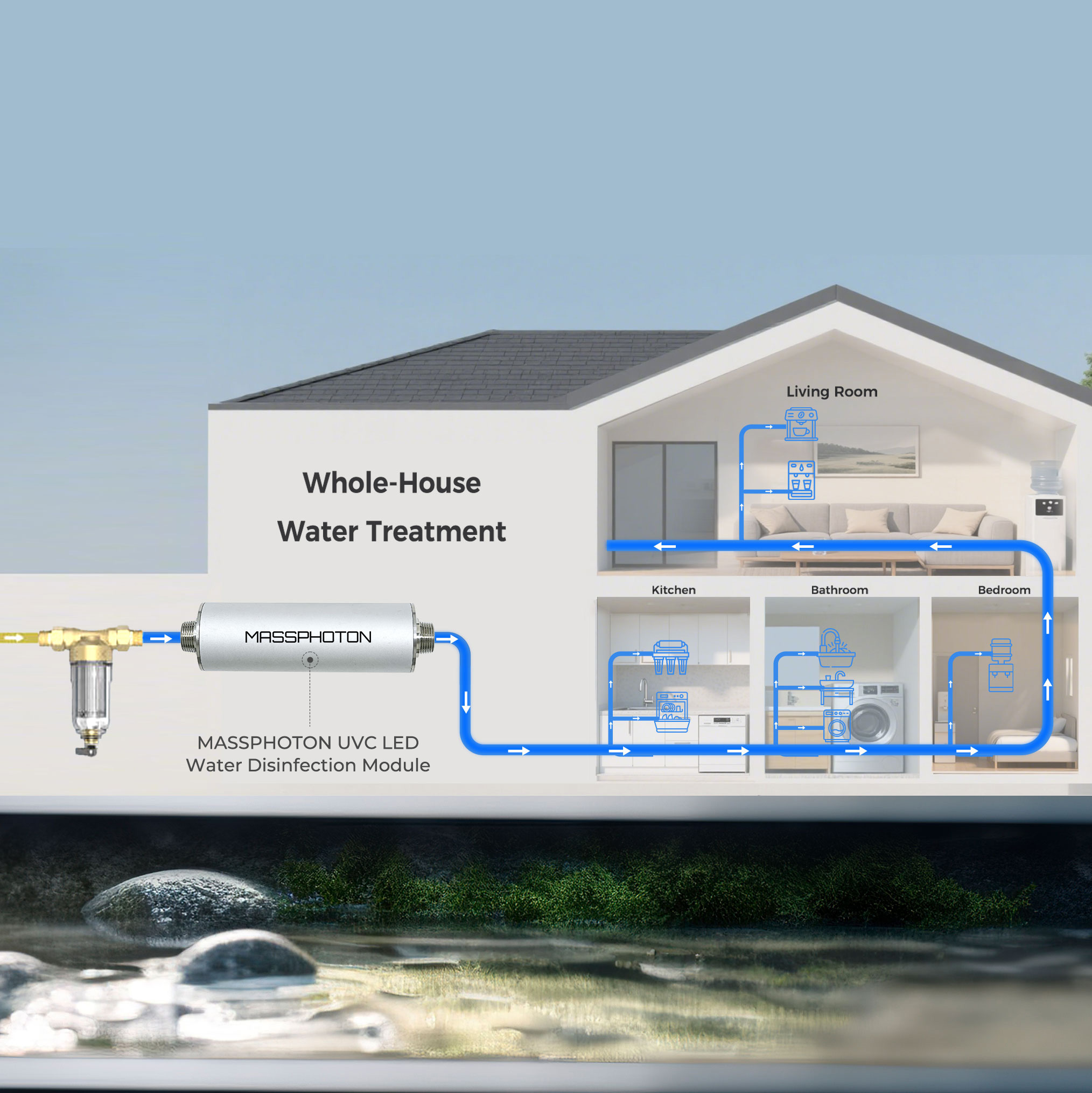
Following a strict, logical treatment sequence guarantees long-term success. Do not install expensive components out of order. Here is the globally recognized, industry-recommended progression. First, untreated water enters your property from your well or city supply line. Second, it passes through a high-quality 5-micron sediment filter. Third, it flows deeply into a dedicated iron filter or resin water softener, if your initial lab tests dictate the need. Fourth, the crystal-clear water enters your uvc led water treatment unit for final, crucial biological polishing. Finally, the completely safe water travels directly to your point of use.
You cannot simply buy a purification system based solely on your existing pipe diameter. Gallons Per Minute (GPM) serves as the absolute most critical sizing metric. Your peak flow rate directly dictates system "dwell time." Dwell time simply defines exactly how long the passing water remains exposed to the intense sanitizing light. Water moving way too fast will never receive a highly lethal energy dose. Dangerous microorganisms will easily survive the rapid, turbulent trip through the short chamber.
You must accurately calculate your home's peak daily demand. Exactly how much water flows when multiple showers and faucets run simultaneously? Use this highly proven, conservative rule of thumb for standard residential sizing:
1 Bathroom Home = 6 GPM minimum requirement
2 Bathroom Home = 9 GPM minimum requirement
3 Bathroom Home = 12 GPM minimum requirement
4 Bathroom Home = 15 GPM minimum requirement
A fully verified, authentically safe system must include a dedicated physical flow restrictor. Never skip installing this tiny but vital component. The metal or plastic restrictor physically prevents fast water from exceeding the unit's maximum tested kill-rate speed. If your system handles exactly 10 GPM safely, the restrictor caps the physical flow right at that number. This guarantees perfectly adequate dwell time during unexpected municipal pressure spikes.
You also really need to understand global dosage measurements. The scientific industry measures sanitizing energy in millijoules per square centimeter (mJ/cm²). Different resilient pathogens require drastically different energy levels for complete, verified destruction.
Recognized industry standards provide exceptionally clear safety benchmarks. The strict NSF/ANSI 55 Class A standard requires a highly robust energy dose of 40 mJ/cm². You absolutely need Class A certified equipment for visually clear but potentially highly contaminated natural sources. Raw, untreated well water absolutely requires this much higher standard. Conversely, the NSF/ANSI 55 Class B standard requires only a moderate 16 mJ/cm². You should use Class B equipment solely for supplemental, backup treatment. It provides excellent daily peace of mind for already-safe, municipally treated city water lines.
Procuring the right hardware requires strict technical discipline. High-intent buyers should always use this comprehensive six-point evaluation framework. It effectively helps you shortlist highly reliable vendors and successfully avoid cheap, unverified imitations.
Flow Rate Capacity: Does the system's officially tested GPM safely meet or exceed your peak household demand? Always check your highest possible simultaneous water usage. Never intentionally undersize the main unit simply to save a little initial money.
Pre-filtration Integration: Does the specific vendor clearly offer or formally specify the required pre-filters? Top-tier global manufacturers usually offer bundled, high-quality sediment filters. They fully understand their unit fails quickly without crystal-clear incoming water.
Third-Party Validation: Is the equipment rigorously and independently tested? Look deeply for clear, published testing documentation. It must genuinely meet rigorous NSF/ANSI Class A or Class B standards. Always ignore vague, unproven "lab tested" marketing claims without verifiable certified documentation.
Smart Controls & Alarms: Does the compact unit feature intelligent, real-time monitoring? Look closely for bright visual indicators and accurate flow sensors. The absolute safest residential systems include physical fail-safe lockouts. They automatically shut off your water flow immediately if the main LED module unexpectedly fails.
Power & Form Factor: Does the modern, compact design actually fit your intended installation space? Carefully verify your tight under-sink or crowded utility room dimensions. Ensure the required input voltage matches your local residential electrical code perfectly.
Warranty & Module Lifespan: What is the officially stated operational lifespan? Check the exact, guaranteed number of operational hours the primary manufacturer claims for the internal diodes. Thoroughly review the detailed warranty terms for the sensitive electronic control board specifically.
We highly recommend solid-state technology upgrades for all modern homes. It clearly represents the most incredibly efficient, low-maintenance solution for daily biological water safety available today. However, this long-term success relies heavily on your initial preparation. The incoming residential water must remain physically clear at all times. You must actively condition it properly before it ever reaches the sensitive optical chamber.
Take immediate, decisive action to secure your family's daily water supply. First, order a highly comprehensive laboratory water test online. This critical step accurately determines your exact pre-treatment needs regarding hidden hardness and dissolved iron. Next, precisely calculate your home's peak daily GPM based on your total active bathroom count. Finally, rigorously apply our detailed six-point checklist to select a fully validated, trustworthy system. Proper initial planning effectively ensures decades of perfectly safe, chemical-free drinking water.
A: Yes, when installed at the Point-of-Entry (POE), it treats all incoming water. However, it relies entirely on adequate sizing. You must select a system with a GPM rating high enough to handle simultaneous fixture use across your entire home.
A: UVC LED replaces the need for continuous chemical treatment. However, a one-time shock is highly recommended upon initial installation. This clears any existing bacteria currently hiding deep inside your household plumbing lines.
A: Yes. Traditional low-pressure UV lamps lose significant efficiency in cold water environments. Conversely, LEDs remain completely unaffected by water temperature fluctuations. They deliver consistent, maximum disinfection power even in freezing well water conditions.
A: No. It operates as a strictly physical process. The light energy destroys pathogen DNA but alters nothing else. It leaves zero chemical residue, preserves the water's natural chemistry, and never impacts the taste or odor.


