1. Introduction
Did you know that indoor air pollution can be just as harmful as outdoor air pollution? As pollution levels rise, both indoors and outdoors, the need for effective air purification has never been more crucial.
In this article, we will explore how smart IoT management is transforming air disinfection systems. You will learn how IoT-enabled air purifiers, such as those offered by MASSPHOTON, are revolutionizing the way we monitor and improve air quality at home and in commercial spaces.
2. The Evolution of Air Disinfection Systems
2.1 From Traditional to Smart Solutions
Air purification technology has evolved significantly from its early days. Traditional air purifiers relied on mechanical filters and were often set to run continuously at the same speed, regardless of the air quality. While they were effective in cleaning the air, they lacked flexibility and efficiency, often consuming unnecessary energy.
The introduction of IoT technology has changed the landscape of air purification. IoT-enabled air purifiers integrate advanced sensors, algorithms, and cloud-based platforms, providing the ability to adjust purification settings in real time. This shift not only ensures optimal air quality but also increases the lifespan of filters, as the purifier can adjust its operation based on actual air conditions.
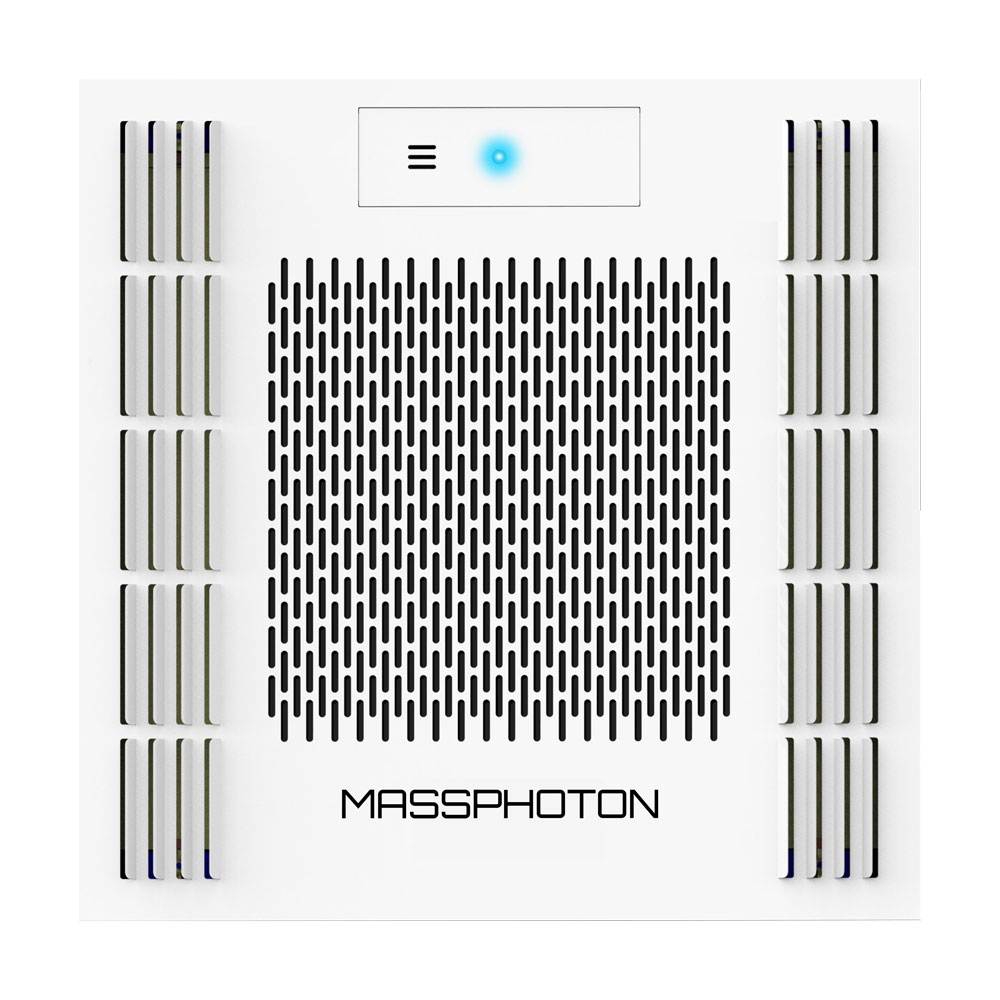
MASSPHOTON's UVC LED air disinfection systems are a great example of this advancement. These systems not only provide real-time air quality monitoring but also leverage cloud-based data and smart algorithms to adjust the purification process dynamically, ensuring maximum efficiency and longevity.
2.2 Technological Advancements
The key to IoT-enabled air purifiers is their ability to monitor and respond to environmental changes. Sensors detect changes in air quality, and the system adjusts the purification process accordingly. For example, the purifier can increase its filtration speed when PM2.5 levels rise or adjust humidity settings if the air becomes too dry.
Additionally, IoT technology enables devices to connect to cloud-based systems, allowing for remote monitoring and control. This feature not only provides convenience but also ensures that the air purifier is always functioning at its optimal capacity. Smart algorithms can predict potential pollution spikes based on historical data and automatically adjust settings before the air quality worsens.
3. Key Features of IoT-Powered Air Disinfection Systems
3.1 Real-Time Air Quality Monitoring
IoT-enabled air purifiers are equipped with sensors that monitor pollutants like particulate matter (PM2.5), volatile organic compounds (VOCs), carbon dioxide (CO2), and humidity levels in real time. These sensors continuously collect data, allowing the system to adapt its operation based on the specific air quality needs of the environment.
Real-time data is displayed on mobile apps or web interfaces, giving users instant access to air quality information. With this data, users can make informed decisions about when to turn on the air purifier, adjust settings, or activate other smart devices within their home or office. This proactive approach ensures that the air remains clean and healthy without overworking the system.
MASSPHOTON's systems come with highly accurate real-time monitoring, leveraging IoT technology to ensure that air quality is continuously optimized. With such precision, users can rest assured that their environment is always at its healthiest.
3.2 Automation and Smart Scheduling
One of the most powerful features of IoT-enabled air purifiers is automation. Users can set schedules to ensure that the air purifier operates when needed. For instance, a smart air purifier can automatically turn on when a user arrives home, or it can run during peak pollution hours to ensure the air remains clean when it matters most.
In addition to simple scheduling, these devices can adapt to changes in environmental conditions. Using data from motion sensors or occupancy detectors, the system can adjust its operation based on the number of people in a room or the level of pollution detected. Automation allows for a seamless air quality experience with minimal user input, making it more convenient and energy-efficient.
3.3 Remote Access and Control
IoT air purifiers can be controlled remotely, allowing users to manage their air quality even when they are not at home. Whether you are in the office, on vacation, or commuting, you can monitor air quality and make adjustments through mobile apps or web portals.
This remote access capability is particularly useful for businesses that need to monitor air quality in multiple locations. For example, companies can track air quality in offices, meeting rooms, and common areas in real time, ensuring that all spaces are maintained at optimal levels. With remote control, users can adjust the settings, receive notifications about maintenance, and even activate energy-saving modes when air quality is stable.
3.4 Integration with Smart Home Ecosystems
IoT-enabled air purifiers can seamlessly integrate into smart home ecosystems. These devices work in conjunction with other IoT-enabled gadgets, such as smart thermostats, lighting systems, and voice assistants. Integration ensures that your air purifier is not working in isolation but as part of a comprehensive system that maintains comfort and efficiency in the home.
For example, if the air quality drops in a room, the air purifier can communicate with the HVAC system to adjust ventilation and circulate fresh air. Additionally, users can control multiple devices with a single command. Voice control features via virtual assistants like Alexa or Google Assistant allow users to operate the air purifier hands-free, enhancing convenience and accessibility.
4. The Benefits of IoT Integration for Air Disinfection
4.1 Improved Indoor Air Quality
The primary benefit of IoT integration is the continuous improvement of indoor air quality. Traditional air purifiers can only clean the air based on pre-set filters, but IoT-enabled systems adjust dynamically to environmental conditions. Continuous real-time data collection ensures that air quality is consistently optimal, reducing pollutants, allergens, and bacteria to safe levels.
By offering precise control over factors like particulate matter, humidity, and temperature, IoT air purifiers help create a healthier and more comfortable environment. These systems are especially beneficial for people with respiratory conditions, allergies, or sensitivities to pollutants, as they ensure the air is always safe to breathe.
4.2 Energy Efficiency
IoT air purifiers are designed with energy efficiency in mind. Unlike traditional systems that run continuously at full power, IoT-enabled devices adjust their operation based on actual air quality conditions. For example, when air quality is good, the system can reduce its filtration speed or enter standby mode, saving energy.
Smart scheduling and automation further enhance energy efficiency. The system can automatically turn on when needed and off when air quality improves, ensuring that energy is only used when it is most beneficial. This helps reduce electricity costs while maintaining a consistently clean environment.
| Feature | Benefit |
| Real-Time Monitoring | Provides constant feedback on air quality for continuous adjustments. |
| Energy Efficiency | Reduces unnecessary energy consumption by adjusting operation based on air quality. |
| Smart Scheduling | Automates operation for energy savings and optimal air quality during peak times. |
Tip: To maximize energy savings, schedule your air purifier to operate during peak pollution hours or when rooms are occupied.
4.3 Health Benefits
Cleaner air has a direct impact on health. IoT air purifiers reduce the number of harmful particles and allergens in the air, lowering the risk of respiratory illnesses, allergies, and asthma. These systems are particularly important in environments where air quality is often compromised, such as urban areas, industrial zones, and hospitals.
IoT-powered air purifiers can also help mitigate the spread of airborne viruses and bacteria. By continuously monitoring and purifying the air, they create a cleaner, healthier environment for occupants. This is especially crucial in places like healthcare facilities, schools, and offices, where the risk of airborne diseases is higher.
4.4 Enhanced Comfort
Comfort is another significant benefit of IoT integration in air purifiers. By customizing settings to user preferences, these systems create a more personalized environment. For instance, some systems offer specific modes, such as "sleep mode" or "allergy mode," that adjust the purifier’s operation to reduce noise, optimize filtration, and create the ideal atmosphere for rest or relaxation.
Additionally, integrating air purifiers with other smart home devices ensures that the entire environment is comfortable. For example, if the temperature rises or the humidity increases, the air purifier can adjust itself to ensure the air remains fresh and breathable.
5. Use Cases and Applications of Smart Air Disinfection Systems
5.1 Residential Applications
In homes, IoT-enabled air purifiers can provide families with cleaner air by eliminating dust, allergens, and odors. Whether it's in the living room, kitchen, or bedroom, these devices ensure that every part of the house has optimal air quality, contributing to a healthier living environment.
For families with young children, elderly members, or individuals with respiratory issues, these air purifiers are particularly beneficial. They can remove harmful particles like dust, pet dander, and pollen, which are common triggers for asthma and allergies.
5.2 Commercial and Public Spaces
Offices, shopping malls, and schools are high-traffic areas where air quality can deteriorate quickly. IoT air purifiers in these spaces help maintain clean air, ensuring the well-being of employees, students, and shoppers. In offices, for example, air purifiers reduce airborne allergens and dust, improving productivity and reducing sick leave.
Public places like libraries, gyms, and shopping malls also benefit from IoT-powered air purification. These devices ensure a comfortable environment for customers and visitors, helping to prevent the spread of germs and creating a pleasant, welcoming atmosphere.
| Location | Benefit | Air Quality Issue Addressed |
| Offices | Reduced allergens and pollutants. | Dust, VOCs, Allergens. |
| Public Spaces | Improved air quality for large crowds. | Bacteria, Viruses, Odors. |
| Schools | Healthier learning environment. | Pollens, Dust, VOCs. |
5.3 Healthcare Sector
In hospitals and clinics, air quality is critical for infection control. IoT-enabled air purifiers help reduce airborne bacteria and viruses, creating a safer environment for both patients and healthcare workers. Real-time monitoring allows healthcare facilities to continuously track and adjust air quality as needed.
IoT systems can also integrate with hospital HVAC systems, improving overall building-wide air quality management. This integration ensures that the entire facility maintains optimal air conditions, reducing the risk of hospital-acquired infections (HAIs).
5.4 Smart Cities
As urban areas continue to grow, managing air quality becomes more challenging. IoT-powered systems enable smart cities to monitor air pollution levels across different zones and take action to mitigate environmental impacts. These systems can also integrate with traffic management and urban planning technologies to improve overall air quality in cities.
By utilizing IoT devices in public spaces, smart cities can enhance air quality for residents and visitors, making urban living healthier and more sustainable. This technology can also help cities meet environmental regulations and reduce their carbon footprint.
6. Challenges and Future Trends
6.1 Data Security and Privacy Concerns
With IoT-enabled air purifiers relying on cloud-based systems and user data, security is a major concern. Manufacturers need to ensure that these devices are protected from cyber threats, and users must be aware of the potential risks related to their personal data being accessed or shared.
6.2 Scalability of IoT Air Purifiers
As more devices become interconnected, there’s a need for scalable solutions that can handle the increasing number of connected devices. This requires the ability to manage large networks of air purifiers, whether in residential settings or across commercial properties.
For large buildings or businesses with multiple floors, the ability to manage multiple devices centrally is essential. IoT-enabled air purifiers should be able to scale without compromising performance, offering centralized monitoring and control for ease of management.
6.3 Future Innovations
Looking ahead, the integration of AI and machine learning into IoT air purifiers will further enhance their capabilities. These advancements will allow for more predictive capabilities, such as anticipating pollution spikes and automatically adjusting settings before air quality deteriorates.
AI-powered air purifiers will also offer more personalized experiences, learning from user behavior and adjusting settings based on preferences. This could include adjusting air quality based on health needs, activity levels, or specific environmental conditions.
Conclusion
The integration of IoT technology in air disinfection systems has changed indoor air quality management in profound ways. Smart devices now deliver real‑time monitoring, enhanced energy efficiency, better health outcomes, and personalized comfort. As demand for cleaner, healthier air keeps rising, these IoT‑enabled air purifiers are set to become essential in both homes and commercial spaces. MASSPHOTON offers advanced systems that harness this smart technology and deliver real value through precision control, seamless connectivity, and low power consumption.
FAQ
Q: What is Smart IoT Management for Air Disinfection Systems?
A: Smart IoT Management for air disinfection systems integrates IoT technology to monitor and control indoor air quality in real time, offering automated adjustments based on air quality data.
Q: How does IoT enhance Air Disinfection?
A: IoT enhances air disinfection by providing continuous air quality monitoring, remote control, and smart scheduling for efficient energy use and optimal purification.
Q: Why is Air Disinfection important in smart homes?
A: Air disinfection ensures clean, healthy air, reducing pollutants and allergens, which is vital for well-being in smart homes where air quality can be automatically managed.
Q: Can IoT air purifiers save energy?
A: Yes, IoT-enabled air purifiers optimize energy use by adjusting settings based on real-time air quality, ensuring efficient operation without unnecessary energy consumption.
Q: What is the cost of IoT-based air disinfection systems?
A: The cost varies depending on the features, such as smart scheduling, integration with other devices, and real-time monitoring. These systems offer long-term savings through energy efficiency.


