Author: Site Editor Publish Time: 27-01-2026 Origin: Site


Under the dual pressures of accelerating global urbanization and intensifying climate change, water scarcity has become a core challenge restricting sustainable urban development. According to United Nations statistics, over 2 billion people worldwide face water stress, a figure expected to rise to 3.5 billion by 2050. In this context, Greywater Recycling—the collection, treatment, and reuse of non-toilet domestic wastewater (such as showers, sinks, and laundry)—is emerging as a central solution for green buildings, sponge cities, and smart city initiatives. It is a critical pathway to unlocking the value of a "second water source" and alleviating municipal supply pressure. Data shows that implementing greywater reuse systems can reduce total building water consumption by 30%-50%, representing a "water-saving revolution" for water-scarce regions.
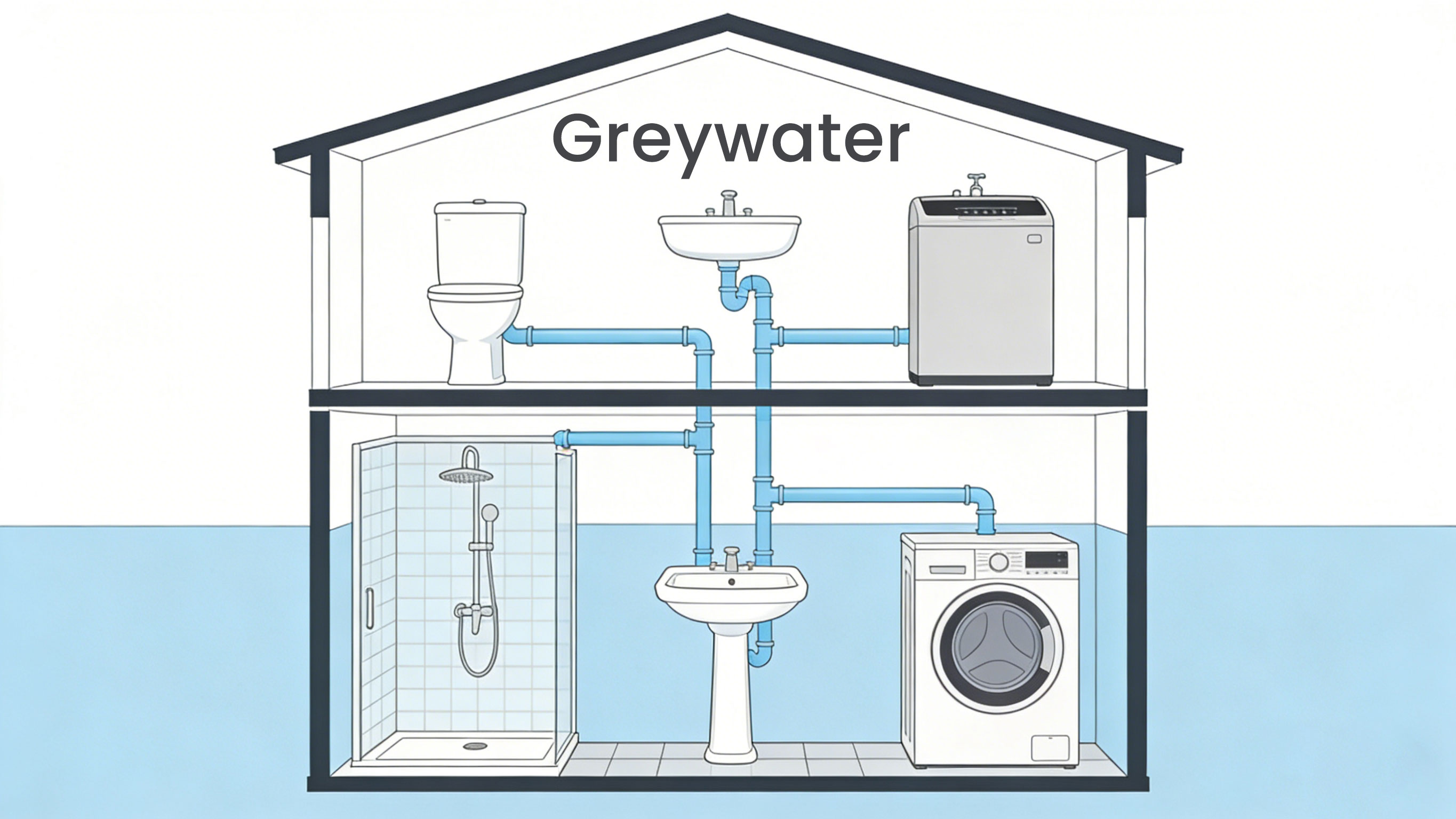
In wastewater classification, greywater refers to non-toilet contaminated wastewater generated in residential or commercial buildings. It primarily originates from showers, hand basins, bathtubs, and washing machines. Greywater contains soap, shampoo, toothpaste, trace amounts of grease, skin cells, and hair.
Compared to "blackwater" (toilet sewage), which contains high concentrations of pathogens and organic matter, greywater has lower pollutant concentrations, decomposes faster, and contains less nitrogen and phosphorus. This makes it an ideal resource for on-site treatment and reuse.
Resource Potential: In typical households, greywater accounts for 50%-80% of indoor discharge; in commercial buildings, this ratio can reach 60%-75%. For a 100-unit residential building, where each household generates approximately 120L of greywater daily, roughly 4,380 tons can be collected annually. Once treated, this can replace an equivalent amount of tap water for toilet flushing and irrigation, saving tens of thousands of dollars in water costs. Characterized by "low pollution, easy treatment, and high reuse rates," greywater is an "urban water treasure" waiting to be tapped.
Properly treated and disinfected greywater can replace precious potable water for non-drinking purposes, significantly lowering a building's total water footprint:
Toilet Flushing: The primary reuse path in urban buildings, saving approximately 30% of domestic potable water.
Landscape Irrigation: Trace nutrients in greywater benefit plant growth, making it suitable for parks, residential green belts, and private gardens.
Industrial & Municipal: Used for road cleaning, dust suppression at construction sites, fire protection, and cooling tower makeup water.
Water Features: Deeply treated greywater (via UVC LED sterilization) can be used for artificial fountains and landscape ponds.
To transform greywater into safe, reusable water, a multi-stage treatment process is essential. Since greywater still contains pathogenic microorganisms (such as E. coli and Staphylococcus aureus), the disinfection stage is the final line of defense to ensure human contact safety.
Typical Treatment Flow:
Raw Water Collection → Coarse Filtration → Biological Treatment → Fine Filtration → UVC Disinfection → Storage/Reuse
Raw Water Collection: Separate piping collects greywater, preventing blackwater contamination.
Coarse Filtration: Screens/filters remove hair, fibers, and large particles to prevent clogging.
Biological/Physical Treatment: MBR (Membrane Bioreactor) or activated carbon adsorption degrades organic matter and removes odors, improving UV Transmittance (UVT, typically required to be >70% for optimal disinfection).
Fine Filtration: Microfiltration or ultrafiltration further reduces turbidity.
UVC LED Disinfection (Core Phase): Water flows through UVC LED modules, exposed to 270-280nm ultraviolet light. This destroys microbial DNA/RNA, achieving sterilization rates of >99.99% (4-log) or even >99.999% (5-log).
Storage/Reuse: Water tanks equipped with sensors monitor quality, using trace chlorine or chlorine-free methods to maintain residual protection.
The Critical Role of UVC LED: With precise wavelengths (peaking at 270-280nm), UVC LEDs efficiently inactivate pathogens like E. coli, Staphylococcus aureus, and Norovirus. They offer instantaneous on/off capabilities with no warm-up time. Unlike chemical dosing, UVC LED disinfection does not produce carcinogenic Disinfection By-products (DBPs) or alter the water’s chemical properties, ensuring it is completely harmless to humans and the environment during irrigation or flushing.
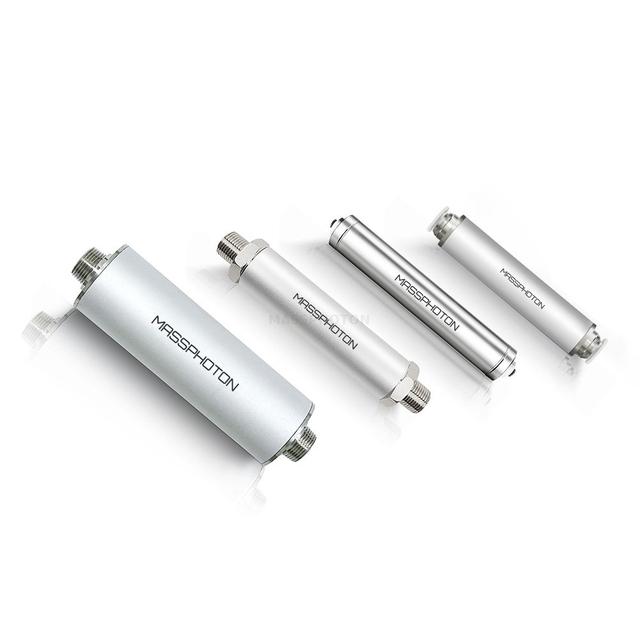
As a leading UVC LED manufacturer, MASSPHOTON provides modular water disinfection products specifically designed for flowing water in greywater reuse systems.
| Industry Pain Point | Limitations of Traditional Methods | MASSPHOTON UVC LED Solution |
|---|---|---|
| Disinfection By-product Risk | Chlorine creates carcinogenic DBPs; Mercury lamps pose a risk of mercury leakage. | Physical sterilization, mercury-free, zero by-products. Safe and eco-friendly. |
| High Energy & Maintenance | High energy consumption; frequent lamp replacement and chemical purchasing. | Low energy (1/3 of mercury lamps), long lifespan, and low maintenance costs. |
| Space Constraints | Bulky equipment unsuitable for small buildings or homes. | Modular design, compact size (1/3 the size of mercury systems), flexible installation. |
In the future, UVC LED greywater reuse systems will extend to more diverse scenarios:
Rural Areas: Solving water shortages for agricultural irrigation and livestock drinking (requires deep treatment).
Islands & Remote Regions: A cost-effective alternative to desalination (costing only 1/5th of desalination) for non-potable domestic use.
Emergency Response: Rapid deployment of greywater systems after earthquakes or floods to provide safe water for cleaning and sanitation.
The sustainable cycle of water resources is a core tenet of green development. Greywater reuse is the key to unlocking this potential. MASSPHOTON’s UVC LED disinfection technology, with its advantages of precise sterilization, safety, and energy efficiency, addresses the biological safety pain points of greywater recycling. It provides a solid foundation for a closed-loop "Collection-Treatment-Reuse" system. Driven by policy support and technological innovation, UVC LED greywater systems are set to become standard in green buildings and smart cities, ensuring every drop of greywater reaches its maximum value for a harmonious future between humanity and nature.