Author: Site Editor Publish Time: 15-01-2026 Origin: Site


Swimming pool water can contain billions of pathogenic microorganisms, putting swimmers at risk of infection. While chlorine is the most common disinfectant, it cannot kill all harmful bacteria and carries its own health risks. Recent increases in waterborne disease outbreaks highlight the limitations of relying solely on chemical disinfection. UV disinfection serves as a vital supplement, reducing chlorine consumption while enhancing protection.
Data from the CDC shows a significant rise in waterborne disease outbreaks, underscoring the risks of "chlorine-only" strategies. Consequently, the Model Aquatic Health Code (MAHC) advocates for physical disinfection technologies like UV to be integrated as a secondary barrier in a multi-layered water safety system.

While effective, chlorine disinfection creates byproducts (such as trihalomethanes and chloramines) that cause strong odors and several issues:
The Chloramine Problem: The pungent "pool smell" comes from chloramines, formed when chlorine reacts with sweat, urine, and skincare products. These are the primary cause of stinging eyes, respiratory discomfort, and dry skin.
Microbial Blind Spots: Parasites like Cryptosporidium and Giardia have shells highly resistant to chlorine. Standard chlorine levels cannot kill them quickly, making them leading causes of waterborne outbreaks.
Corrosion and Wear: High chlorine and chloramine levels accelerate the corrosion of metal components (pipes, heaters, filters), increasing maintenance costs.
Compliance Pressure: Global regions (EU, North America) have set strict limits on Disinfection Byproducts (DBPs) like THMs. Traditional high-chlorine methods struggle to meet these new standards.
UVC LED is not intended to eliminate chlorine entirely, but to act as the primary physical disinfection unit. By working in synergy with low-dose oxidants, it creates an innovative "Physical + Low-Chlorine" model. This allows operators to build a healthy, compliant, and cost-optimized aquatic ecosystem.
Eradicating Chlorine-Resistant Microbes: UVC LED inactivates Cryptosporidium in seconds (at doses of 10-40 mJ/cm²), whereas chlorine requires extremely high concentrations and long contact times.
Active Chloramine Decomposition: UVC light (specifically the 265-275nm band) breaks the molecular bonds of chloramines, converting them into harmless nitrogen and chloride. This eliminates odors and improves indoor air quality.
Low-Chlorine Operations: With UVC LED providing the primary microbial barrier, free residual chlorine can be safely lowered to 0.3-0.6 ppm (down from 1-3 ppm). This reduces chlorine dosing by up to 70%.
Instant On/Off: Unlike mercury lamps that require preheating, LEDs respond instantly to flow changes.
Safety & Eco-Friendly: LEDs are solid-state and mercury-free, eliminating the risk of toxic glass breakage in the pool.
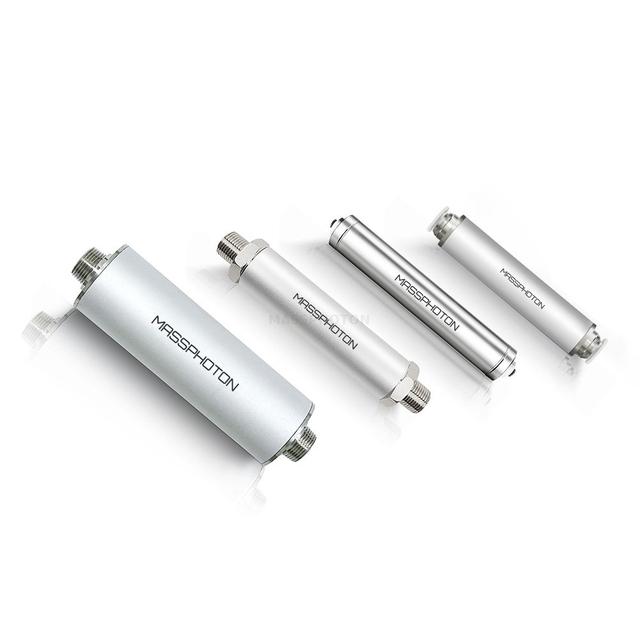
Compact Design: Small modules are easily integrated into existing piping without major renovations.
Longevity: LEDs offer a long lifespan (>15,000 hours) with much slower light decay than traditional lamps.
High-End Spas: High temperatures accelerate chlorine evaporation. UVC LED enables a "scent-free" spa experience, improving skin comfort and guest loyalty.
Indoor Heated Pools: Reduces "pool asthma" and protects the building structure from corrosive chloramine-laden air.
Water Parks: Manages high organic loads during peak hours, ensuring public health safety while cutting chemical costs.
Learn more about our Integrated Water Treatment Systems

UVC LED technology represents a shift from chemical dependency to pure physical disinfection. For operators, it means lower costs and better reputations; for swimmers, it means a safer, more enjoyable experience.
As a pioneer in UVC LED technology, MASSPHOTON provides efficient, safe, and sustainable water treatment solutions. Contact us for a free water quality assessment and customized "Chlorine Reduction" plan.
A: No, UVC LED is a physical disinfection technology that provides a primary barrier against pathogens. However, a residual amount of disinfectant (like low-dose chlorine) is still needed to maintain a "residual effect" in the pool water itself. Our goal is to reduce chlorine usage by up to 70%, making the water safer and odor-free.
A: The "pool smell" is caused by chloramines. UVC light (265-275nm) directly breaks the molecular bonds of chloramines, decomposing them into harmless components. This significantly reduces respiratory irritation and the "pool asthma" effect.
A: Yes. The UVC LED system is installed within the water circulation piping. The UV light is contained entirely inside the stainless steel reactor, ensuring no UV exposure to swimmers in the pool.
A: Traditional mercury lamps contain liquid mercury and use fragile glass sleeves. If they break within the circulation system, they pose a severe heavy metal contamination risk. UVC LEDs are solid-state semiconductor devices—mercury-free and glass-free. They also offer "instant-on" capability with no warm-up time, making them ideal for intermittent use like hot tubs or spas.
A: No. Thanks to the modular and compact design of UVC LEDs, our disinfection units can be flexibly integrated into existing filtration lines, usually installed after the filter and before the heater. They occupy significantly less space than traditional UV bulky housings.
A: In the long run, costs are lower. UVC LEDs have an effective lifespan exceeding 15,000 hours with slow light decay. Unlike mercury lamps that require annual bulb replacements, LEDs reduce consumable expenses. Furthermore, because they allow for lower chlorine levels, the corrosion rate of your pipes and equipment slows down, reducing overall maintenance overhead.