Author: Site Editor Publish Time: 05-02-2026 Origin: Site


In closed-loop water systems—such as Recirculating Aquaculture Systems (RAS), cooling towers, hot water loops, industrial cooling circuits, aquariums, swimming pools, and laboratory/pharmaceutical ultrapure water loops—water is continuously cycled rather than frequently discharged. While resource-efficient, this creates risks: the accumulation of organic matter (feed, waste, nutrients) leads to algal blooms and pathogen outbreaks (e.g., Legionella, Pseudomonas, viruses) due to eutrophication, stagnation, and warmth. UV recirculating water purification, specifically integrating UVC LED water disinfection modules directly into the loop, provides continuous, chemical-free treatment.
UVC LED disinfection is the core technology for long-term prevention in closed-loop systems due to its zero chemical residue, rapid inactivation, and adaptability. It achieves "Source Suppression, Process Inactivation, and Environmental Blockage" by destroying microbial nucleic acids.
UVC light (260–280nm) penetrates microbial cells, creating thymine dimers that damage DNA/RNA. This inactivates bacteria, viruses, protozoa (e.g., Cryptosporidium, Giardia), and fungi.
Continuous Polishing: Recirculation ensures repeated exposure, maintaining a low microbial load even when new contaminants enter (e.g., fish waste in RAS or biofilm sloughing in pipes).
High Log Reduction: Each pass can achieve a 99.99%–99.999% inactivation rate (4–5 Log reduction), depending on dose, flow rate, and UV Transmittance (UVT).
No Resistance: Unlike chlorine, UV does not produce disinfection by-products (DBPs) or promote drug-resistant bacterial strains.
Direct Inactivation: UVC disrupts algal DNA, preventing cell division. Suspended algal spores are neutralized as they pass through the UV reactor.
Indirect Nutrient Management: By reducing the bacterial load, UV limits the organic decomposition that releases nutrients (nitrogen/phosphorus). Minimizing biofilm (the slimy layer containing algae precursors) inhibits potential blooms.
Environmental Blockage: In opaque, closed piping, the combination of light deprivation and UVC significantly inhibits algae attachment to pipe and tank walls.
Continuous Protection: Unlike point-of-use systems, recirculation "polishes" the entire water volume repeatedly.
UVC LED Benefits: Compact footprint, instant on/off capability, mercury-free, and no heat transfer to the water—ideal for temperature-sensitive industrial or aquaculture loops.
The engineering pain points of closed-loop systems include fixed flow paths, low-velocity "dead zones," and nutrient accumulation. Modular UVC LED units solve these through three dimensions:
UVC LED power is infinitely adjustable (0–100%). The UV dose (mJ/cm2mJ/cm2) can be optimized by adjusting power rather than flow rate, allowing the system to adapt to varying turbidity and microbial challenges.
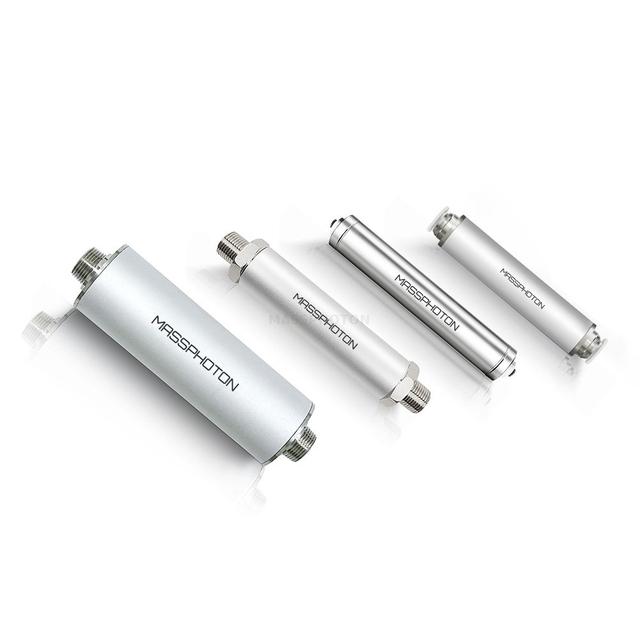
Main Loop Treatment: Inline flow-through UVC LED reactors are installed after the circulation pump. This ensures a "cycle once, disinfect once" closed loop, keeping the bulk water sterile.
Dead Zone Prevention: Small, embedded UVC LED modules are placed in tank corners, pipe elbows, or heat exchanger inlets where flow is stagnant. This prevents the formation of biofilms and algal colonization in hard-to-reach areas.
Since UV provides no residual "sanitizer" and does not remove physical nutrients, it should be paired with:
Turbidity Control: Pre-filtration (microfiltration/ultrafiltration) to increase UVT and reduce shadowing effects.
Nutrient Management: Biological filters to remove N/P, which, combined with UVC, creates a "Double Defense" against eutrophication.
RAS (Aquaculture): Controls fish pathogens and parasites; suppresses algae to reduce water exchange rates and increase stocking density.
Industrial Cooling Towers: Highly effective against Legionella; prevents biofilm buildup on heat exchangers to maintain thermal efficiency.
Aquariums & Ponds: Maintains water clarity by killing algal spores and reducing maintenance costs.
Pharmaceutical/Lab Water: Ensures sterility in ultrapure water loops without introducing chemicals.
Swimming Pools: Reduces reliance on chlorine, preventing skin/eye irritation while killing E. coli and adenoviruses.
(A) Compared to Chemical Disinfection (e.g., Chlorine)
No residuals, eco-friendly: Safe for aquatic life (e.g., RAS fish), no DBPs, no chemistry changes.
No resistance risk: Physical inactivation avoids inducing resistant strains for sustained efficacy.
Continuous protection: Matches dynamic recirculation vs. point dosing.
(B) Compared to Traditional Mercury Lamps
Superior adaptability: Compact/modular for small pipes/dead zones, ideal for closed-loop engineering.
Lower energy, longer life: Instant on/off, flow-activated, no warmup loss; mercury-free, extended lifespan reduces replacement costs.
No heat transfer: Avoids warming water in cooling/RAS applications, preserving parameters.
(C) Engineering & Operational Advantages
Lower maintenance: Prevents slime/algae accumulation, reduces pipe/tank cleaning/inspections.
Modular integration/retrofit-friendly: Minimal changes for existing systems, suits OEM/standardized production/upgrades.
Stable operation: Power-adjustable for real-time adaptation to stable-yet-fluctuating closed-loop conditions; sustained performance.
UV recirculating water purification using UVC LEDs offers a plug-and-play solution for modern water management. It reduces system maintenance costs by preventing slime and algae buildup, supports modular secondary retrofitting, and ensures stable, long-term microbial control without altering the water's chemical profile.