Author: Site Editor Publish Time: 17-09-2026 Origin: Site


Healthcare facilities face mounting pressure to upgrade infection prevention protocols while phasing out hazardous mercury-based sterilization equipment. Facility managers and clinical engineers must balance high-efficacy decontamination with strict footprint constraints and staff safety mandates. Legacy systems rely on bulky, fragile lamps or slow chemical processes that bottleneck clinical workflows. Solid-state lighting offers a direct replacement strategy. By integrating UVC LED technology into existing infrastructure, hospitals achieve rapid, cold, and chemical-free pathogen reduction. You can deploy these compact diodes inside medical device interiors, localized HVAC nodes, and point-of-use water lines where traditional lamps cannot fit. This guide breaks down the technical evaluation criteria, primary applications, and risk mitigation strategies required to engineer and deploy solid-state ultraviolet systems effectively across modern clinical environments.
UVC LEDs (specifically optimized in the 260–275 nm range) provide targeted, mercury-free inactivation of healthcare-associated pathogens without the warm-up times required by traditional lamps.
Compact, solid-state form factors enable integration into previously inaccessible areas, including medical device interiors, localized HVAC nodes, and point-of-use water lines.
Successful implementation requires strict adherence to dosimetry calculations, thermal management engineering, and material compatibility assessments to mitigate operational risks.
Table of Contents
Infection control requires precision and repeatability. Traditional methods often fall short in high-throughput clinical environments where room turnover times dictate operational efficiency. Solid-state ultraviolet technology addresses these gaps by offering rapid, cold, and chemical-free pathogen reduction directly at the point of care.
UVC light in the 260–275 nm range can damage the DNA or RNA of microorganisms, reducing their ability to replicate. Disinfection performance is commonly measured by log reduction, with a 3-log reduction representing 99.9% and a 6-log reduction representing 99.9999% reduction in the target microorganism population. Different pathogens require different UV doses, and resistant organisms such as C. difficile spores may require higher doses than many bacteria or viruses. Engineers must therefore control UV irradiance and exposure time to achieve the required disinfection level.
Target Pathogen | Pathogen Type | Estimated Dose for 3-Log Reduction (mJ/cm²) | Estimated Dose for 6-Log Reduction (mJ/cm²) |
|---|---|---|---|
SARS-CoV-2 | Enveloped Virus | 3 - 5 | 10 - 15 |
MRSA | Vegetative Bacteria | 4 - 7 | 12 - 20 |
Influenza A | Enveloped Virus | 4 - 6 | 11 - 18 |
C. difficile | Bacterial Spore | 16 - 25 | 45 - 60 |
Chemical disinfection remains a staple in hospital cleaning. However, it introduces significant workflow bottlenecks. Turnaround times lag as staff wait for chemical dwell times to complete. Glutaraldehyde and hydrogen peroxide vapor require extended aeration periods. Human error often results in uneven application across complex surfaces. Toxic residues build up on sensitive equipment over time. Harsh chemicals also degrade medical plastics and monitor screens, leading to premature equipment failure.
Traditional thermal sterilization presents different challenges. Autoclaves use high heat and pressurized steam. This method destroys heat-sensitive medical plastics. Diagnostic optics, ultrasound probes, and advanced electronics cannot withstand autoclave cycles. Cold sterilization becomes a hard requirement for these delicate instruments. Solid-state ultraviolet systems provide a rapid, dry, and cold alternative. You can decontaminate sensitive electronics without risking thermal damage. This capability accelerates instrument turnaround times between procedures, keeping operating theaters running efficiently.
Versatility defines solid-state ultraviolet technology. The compact nature of these diodes allows for diverse deployment architectures. Facility managers can integrate them into spaces where traditional lamps fail to fit, creating new opportunities for automated infection control.

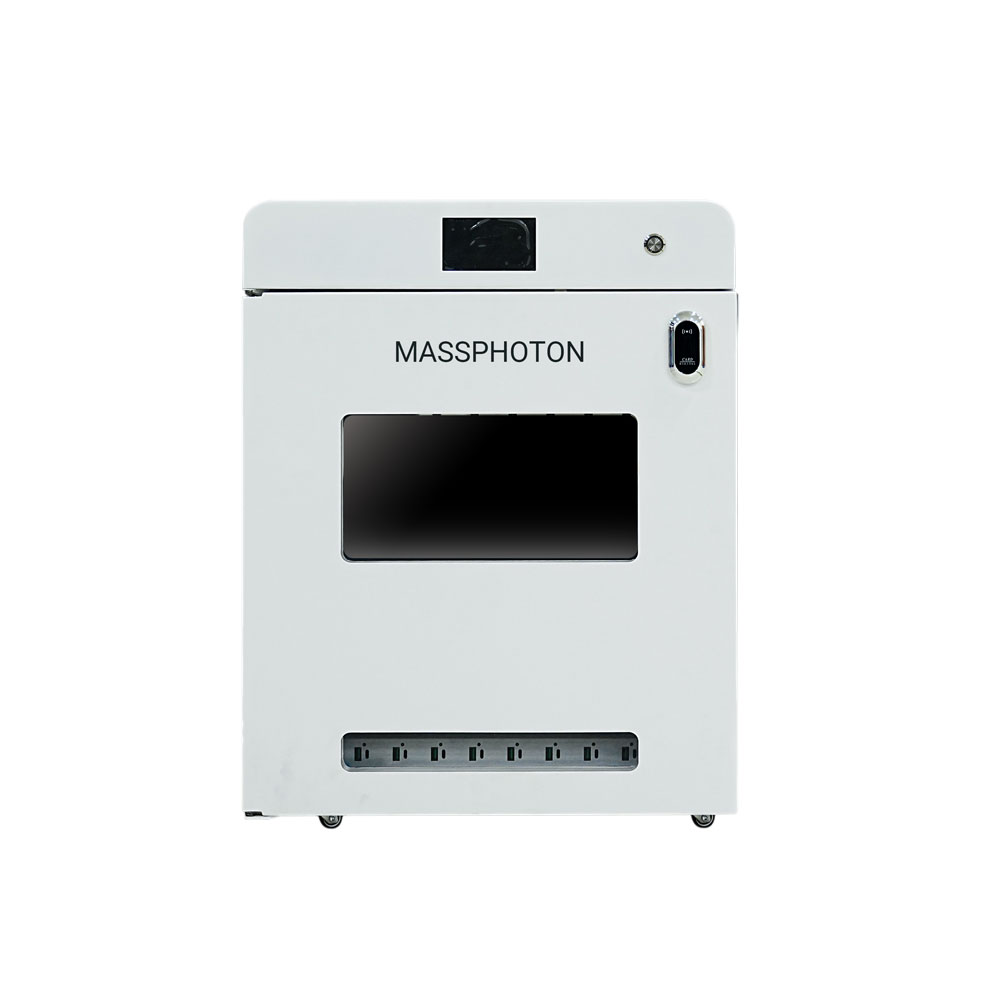
Operating theaters demand rapid tool turnaround. Automated disinfection cabinets now incorporate dense diode arrays. These cabinets provide 360-degree exposure for surgical tools. Handheld arrays offer mobility for targeted surface cleaning. Staff can sweep these wands over high-touch patient room surfaces. Mobile workstations, keyboards, and bedside rails receive immediate treatment without waiting for chemical drying times.
Deploying these systems requires strategic planning. You must evaluate the optical output needed for specific distances. External surfaces of medical tools often feature complex geometries. Light must reach all exposed areas to be effective. Biofilms on surfaces can shield underlying bacteria. Integrating UVC LED modules into mobile carts allows environmental services teams to move rapidly between patient rooms. This mobility reduces the time rooms sit empty between admissions.
UVC LED systems can help reduce airborne pathogens in healthcare facilities by treating air in upper-room fixtures or HVAC ducts. Effective air disinfection depends on airflow speed, exposure time, and UV irradiance because faster-moving air receives a shorter UVC exposure. Engineers should therefore design the system to deliver the required UV dose under actual airflow conditions. Continuous air treatment can provide an additional infection-control measure in high-traffic areas such as waiting rooms and emergency departments.
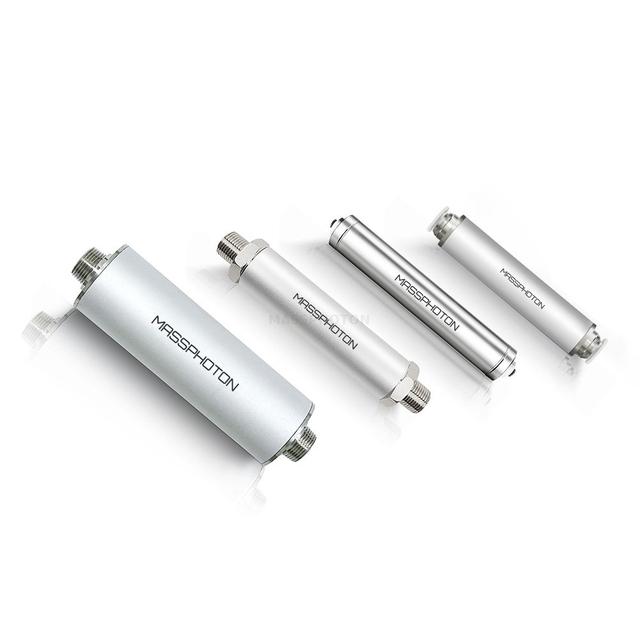
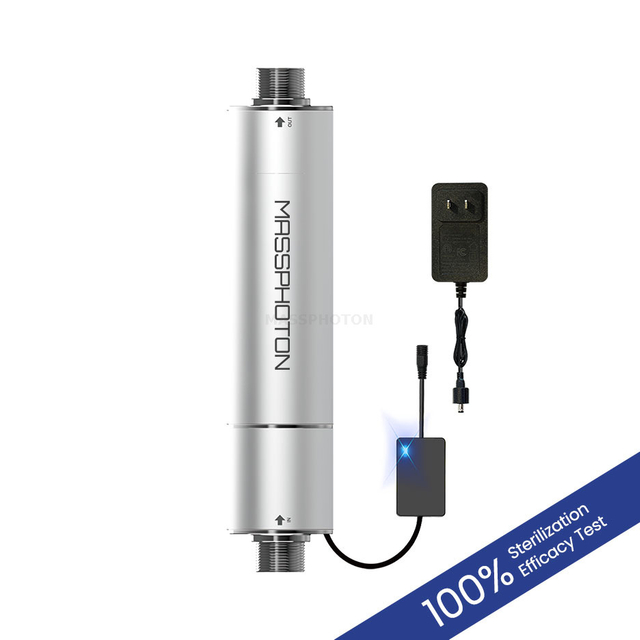
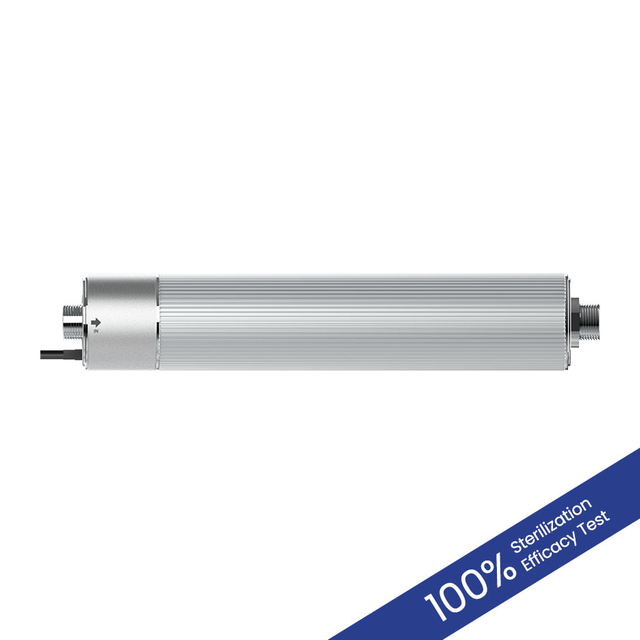
Hospital water systems need effective control of Legionella and other waterborne pathogens, especially in stagnant areas of plumbing. Compact UVC LED reactors can be installed near faucets, showerheads, and other point-of-use locations, as well as in applications requiring strict water quality control. UVC treatment adds no chemicals to the water and can operate only when water is flowing, helping reduce energy use while providing localized disinfection.
Medical device assembly requires strict contamination control. Manufacturers utilize different ultraviolet wavelengths for distinct purposes. Standard UV LEDs (typically in the 365-405 nm range) cure precise adhesives. Conversely, the 260-275 nm spectrum sterilizes components during assembly. Keeping these processes distinct ensures manufacturing integrity.
Pre-packaging sterilization protocols rely heavily on this technology. Sensitive diagnostic equipment often cannot undergo gamma irradiation or ethylene oxide gas treatment. Implantable devices and single-use medical tools require gentle, effective decontamination. Localized diode arrays sterilize these components right before the final blister pack seals. This ensures the product remains pristine from the factory floor to the surgical suite.
Selecting the right components requires a deep understanding of optical physics and thermodynamics. You cannot simply swap a mercury lamp for a diode array without engineering adjustments. The system architecture must account for the unique operating characteristics of semiconductors.
Dose delivery determines success or failure. You calculate the required UV dose (measured in mJ/cm²) by multiplying irradiance (mW/cm²) by exposure time (seconds). Different pathogens require different doses for inactivation. Environmental variables, such as humidity and surface texture, also impact efficacy. The absorption curve of DNA peaks near 265 nm. However, 275 nm represents a practical manufacturing compromise that delivers high efficacy and better diode lifespan.
Optical output power dictates how much energy the diode emits. Beam angle controls how that energy spreads across a surface. Spatial distribution ensures uniform coverage. You must avoid hot spots and cold spots within the treatment area. Engineers must map the irradiance field using radiometric sensors to validate the design. Precise optical lenses can help focus the beam exactly where you need it.
Define the target pathogen and identify its required log-reduction dose in mJ/cm².
Measure the physical distance from the light source to the target surface.
Calculate the spatial irradiance at that specific distance using a NIST-traceable radiometer.
Divide the target dose by the measured irradiance to determine the minimum required exposure time in seconds.
Add a 20% safety margin to the exposure time to account for diode degradation over the system's lifespan.
Solid-state diodes generate significant heat at the semiconductor junction. This junction temperature directly impacts performance. Excessive heat causes rapid LED degradation. Sustained output efficiency drops as the diode overheats. You must manage the thermal resistance path from the LED junction to the ambient air.
Advanced thermal management engineering is non-negotiable. You must implement robust heatsink designs to draw thermal energy away from the chip. Metal-core printed circuit boards (MCPCBs) provide excellent thermal conductivity. Enclosed medical devices often lack natural airflow. These compact spaces trap heat quickly. Active cooling mechanisms, such as micro-fans or liquid cooling loops, become necessary. Compact water reactors can utilize the flowing water itself as a heatsink. Maintaining optimal junction temperatures ensures the system meets its rated lifespan.
Physical footprint advantages drive the adoption of solid-state technology. Traditional mercury lamps require bulky ballasts and fragile quartz tubes. Diodes measure only a few millimeters across. This allows engineers to retrofit existing hospital equipment where traditional lamps simply cannot fit. You can integrate them directly into endoscope storage cabinets.
Modularity offers immense flexibility. You can arrange diodes into linear strips, dense clusters, or custom geometric arrays. This scalability allows the technology to adapt to various use cases. A localized handheld tool might use a small cluster of five diodes. Room-wide automated arrays might utilize hundreds. Commercial water systems can scale up by adding modular reactor chambers in parallel. This modular approach simplifies maintenance and system upgrades.
Transitioning away from legacy technology requires a clear understanding of performance differences. Facility managers must evaluate these trade-offs to justify infrastructure upgrades and modify existing standard operating procedures.
Feature | UVC LED Technology | Traditional Mercury Vapor Lamps |
|---|---|---|
Warm-up Time | Instant on/off cycling | Requires 5-15 minutes to reach full output |
Light Distribution | Targeted, directional output | Omnidirectional scatter (requires complex reflectors) |
Environmental Hazard | Mercury-free, solid-state construction | Contains toxic mercury, fragile glass tubes |
Form Factor | Compact, highly modular arrays | Bulky tubes, fixed dimensions |
Cycling Durability | Unaffected by frequent switching | Lifespan degrades severely with frequent on/off cycles |
Clinical workflows demand speed. Solid-state diodes offer instant on/off cycling capabilities. They reach peak optical output immediately upon receiving power. Mercury lamps require mandatory warm-up and cool-down periods. These delays interrupt fast-paced hospital environments. If a nurse needs a sterilized stethoscope immediately, a ten-minute warm-up is unacceptable. Instant activation allows for on-demand sterilization.
Light directionality also differs significantly. Diodes emit light in a specific, targeted direction. This minimizes optical loss. Traditional tubes emit light omnidirectionally. They rely on complex reflectors to bounce the light toward the target. Every reflection results in energy loss. Directional diodes deliver more usable energy directly to the contaminated surface. This efficiency improves overall system performance and reduces the power draw required to hit target doses.
Global regulatory shifts are forcing the phase-out of hazardous materials. The Minamata Convention on Mercury actively restricts the manufacture and trade of mercury-added products. Hospitals must proactively transition to compliant technologies. Relying on legacy lamps exposes facilities to future supply chain disruptions as manufacturers scale back mercury tube production.
Eliminating mercury removes severe environmental and safety risks. Broken mercury lamps require specialized hazardous waste disposal protocols. A shattered tube in a sterile operating theater causes a massive contamination event. The room must shut down for hazardous material cleanup. Solid-state diodes contain no mercury and use no fragile glass. They eliminate glass breakage risks entirely, ensuring the sterile environment remains secure and operational.
Deploying new technology introduces specific operational risks. Facility managers must anticipate these challenges and implement robust mitigation strategies to ensure consistent clinical outcomes.
Ultraviolet light only sterilizes what it physically strikes. Shadowing presents a severe risk. Complex geometries of medical instruments create dark zones. Obstructed room layouts prevent light from reaching behind furniture. Incomplete sterilization leaves viable pathogens behind, creating a false sense of security among clinical staff.
Mitigation requires strategic engineering. Implement multi-angle array designs to hit surfaces from multiple vectors. Utilize highly reflective chamber materials, such as Polytetrafluoroethylene (PTFE), to bounce light into crevices. Furthermore, light cannot penetrate heavy soils or bodily fluids. You must mandate supplementary chemical cleaning or manual scrubbing for heavily soiled items before light exposure. Pre-cleaning remains a non-negotiable step in the sterilization workflow.
High-energy photons break chemical bonds in polymers. Over time, this causes UV-C induced embrittlement. Hospital plastics, such as standard polycarbonate or PVC, may crack or yellow. Polymer-based medical devices can lose their structural integrity. Cable jackets and monitor bezels are particularly vulnerable to chain scission when exposed to 260-275 nm wavelengths.
Mitigation starts during the procurement phase. Require rigorous material compatibility testing before widespread deployment. Specify UV-resistant housings and components for any equipment exposed to the light. Fluoropolymers and specific grades of stainless steel offer excellent resistance. Avoid standard ABS plastics in direct exposure zones. Shield sensitive cables with protective sleeves.
Material | UV-C Compatibility Rating | Observed Degradation Effects |
|---|---|---|
Stainless Steel (304/316) | Excellent | None. Highly reflective and structurally stable. |
PTFE (Teflon) | Excellent | None. Maintains high reflectivity and structural integrity. |
Silicone | Good | Minor surface hardening over extended exposure periods. |
Polycarbonate | Poor | Rapid yellowing, micro-cracking, and loss of impact resistance. |
Standard ABS | Poor | Severe embrittlement, color fading, and structural failure. |
Diodes degrade over time. If the optical output drops below the required threshold, the system delivers a sub-lethal dose. This creates a dangerous scenario. Staff may believe a room is sterile when it remains contaminated. Initial radiometric testing is not enough; ongoing degradation monitoring is a strict requirement for clinical compliance.
Mitigation demands strict monitoring protocols. Integrate real-time radiometric sensors into the disinfection chambers. These sensors measure the actual light hitting the target. Implement automated dose monitoring software to track exposure levels. Establish strict manual calibration schedules using NIST-traceable radiometers to verify sensor accuracy. Replace diode arrays before they fall below the minimum effective irradiance.
Ultraviolet radiation poses direct hazards to human tissue. Accidental staff or patient exposure causes erythema (severe skin reddening) and photokeratitis (painful eye inflammation). The invisible nature of the light makes accidental exposure more likely if proper engineering controls are absent.
Mitigation relies on automated safety controls. Engineer systems with fail-safe interlocks on cabinet doors. If a door opens, the light must cut power instantly. Room-level systems require redundant motion sensors and thermal imaging. If a person enters the room during a cycle, automated safety shutoffs must trigger immediately. Never rely solely on administrative controls, training, or warning signs to protect staff.
Audit facility floor plans to identify high-traffic zones and workflow bottlenecks currently relying on slow chemical disinfection protocols.
Initiate small-scale pilot testing by installing localized water purification nodes or compact instrument disinfection cabinets in a single department.
Validate the optical efficacy of pilot systems using microbial swabbing and real-time radiometric monitoring before expanding the rollout.
Develop updated standard operating procedures that integrate solid-state light exposure with mandatory physical pre-cleaning requirements.
A: The most effective wavelength falls between 260 nm and 275 nm. This spectrum aligns with the peak absorption curve of pathogenic DNA and RNA. Exposure to this range causes maximum photochemical damage, preventing microorganisms from replicating and causing infections.
A: Yes, they highly effectively neutralize Healthcare-Associated Infections, including MRSA and C. difficile spores. Success depends entirely on delivering the correct dose. Spores require a significantly higher irradiance and longer exposure time compared to vegetative bacteria to achieve a complete 6-log reduction.
A: Solid-state diodes generally offer a longer operational lifespan, often exceeding 10,000 hours of continuous use. Unlike mercury lamps, their lifespan does not degrade from frequent on/off switching. Maintaining this lifespan requires exceptional thermal management to prevent the semiconductor junction from overheating.
A: No. Ultraviolet light requires a direct line of sight to be effective. It cannot penetrate physical dirt, bodily fluids, or heavy soils. Chemical disinfectants and manual scrubbing remain necessary to remove physical debris before applying light to achieve complete surface sterilization.
A: Direct exposure to ultraviolet light causes erythema and photokeratitis. To mitigate these risks, systems must incorporate redundant safety features, such as motion sensors, door interlocks, and automatic shutoffs. These controls ensure no human exposure occurs during active operation.
A: You calculate the UV dose by multiplying the irradiance (the intensity of the light in mW/cm²) by the exposure time (in seconds). The resulting dose is measured in mJ/cm². Engineers determine the target dose based on the specific log-reduction requirements for the target pathogen.