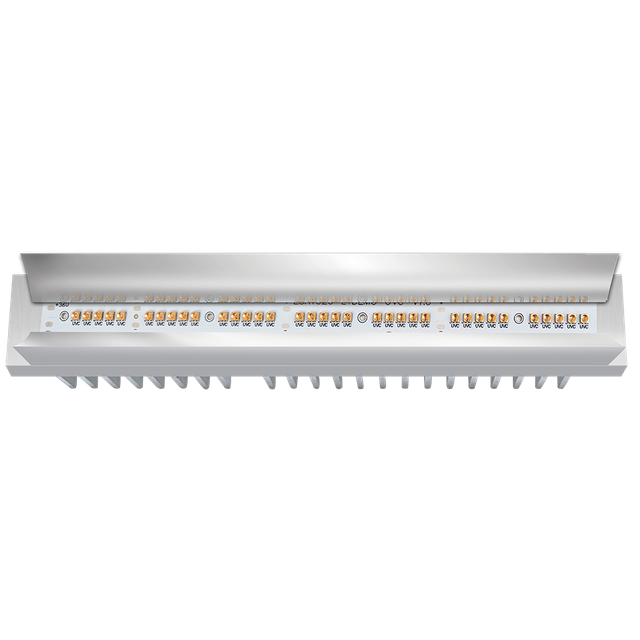
Is UVC LED technology truly effective? With growing concerns about hygiene, UVC LEDs have emerged as a powerful tool for disinfection. In this article, we’ll explore the science behind UVC LEDs, their effectiveness against pathogens, and real-world applications. You’ll learn how UVC LEDs are changing the way we think about disinfection.
UVC light refers to the ultraviolet light within the electromagnetic spectrum, specifically ranging from 200–280 nanometers (nm). This portion of the UV spectrum is unique because of its ability to destroy harmful microorganisms.
UVC light is often referred to as “germicidal UV” because of its powerful ability to deactivate bacteria, viruses, fungi, and other pathogens. It works by breaking down the molecular bonds in the DNA and RNA of these microbes, rendering them unable to replicate or cause disease.
Wavelength: UVC light operates between 200–280 nm.
Pathogen Disruption: Most effective at disrupting microbial DNA/RNA.
Safety: UVC light is not harmful unless directly exposed to skin or eyes.
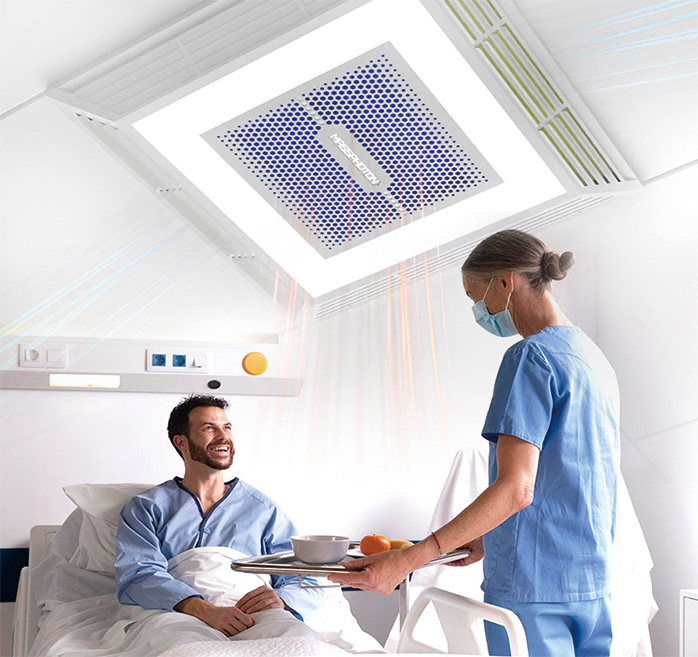
UVC LEDs are solid‑state light sources that emit ultraviolet light at specific wavelengths within the UVC range (200–280 nm). Unlike traditional UVC lamps that rely on mercury gas to produce ultraviolet light, UVC LEDs use semiconductor materials to generate UVC radiation when an electric current is passed through them.
When UVC light is directed at microorganisms, the high‑energy photons damage their genetic material, particularly their DNA or RNA, by forming thymine dimers in the case of DNA. This prevents the microbes from replicating or causing infection, making UVC LEDs an effective disinfection tool.
| Pathogen Type | Effectiveness of UVC LED |
|---|---|
| Bacteria | High (e.g., E. coli, Salmonella) |
| Viruses | Very high (e.g., SARS-CoV-2) |
| Fungi | Moderate (e.g., molds, yeast) |
| Spores | Effective with proper exposure |
UVC LED technology has gained widespread attention due to its proven ability to disinfect effectively. Numerous studies have demonstrated that UVC LEDs can inactivate a wide range of pathogens, including bacteria, viruses, and fungi. UVC LEDs emit light at wavelengths between 200–280 nm, which is known to disrupt the genetic material of microorganisms, preventing them from replicating.
Bacteria: UVC LEDs have shown high effectiveness against bacteria like E. coli, Salmonella, and Listeria.
Viruses: Studies have confirmed that UVC LEDs effectively deactivate viruses, including SARS-CoV-2, the virus responsible for COVID-19, as well as norovirus and influenza.
Fungi: UVC LEDs also show moderate effectiveness against fungi, such as Aspergillus and Candida.
| Pathogen | Effectiveness of UVC LED |
|---|---|
| E. coli | 99.99% inactivation |
| SARS-CoV-2 | 99.999% inactivation |
| Salmonella | 99.99% inactivation |
| Candida | 90-95% inactivation |
How Effective Is UVC LED for Different Surfaces?
UVC LEDs are highly effective for surface disinfection, though their efficiency can vary based on the material being disinfected. The light from UVC LEDs must reach the surface to deactivate pathogens effectively, and this may be influenced by the surface’s texture, reflectivity, and opacity.
Metals: UVC LEDs are very effective at disinfecting metal surfaces, such as stainless steel and aluminum, which have reflective properties that allow UVC light to reach the pathogens on their surfaces.
Plastics: While UVC LEDs can be effective on plastics, opaque or colored plastics may reduce the light penetration, lowering disinfection efficiency.
Fabrics: Fabrics like cotton or polyester absorb UVC light, which can make disinfection less effective unless the exposure time is increased or the fabric is treated with special coatings to enhance UVC penetration.
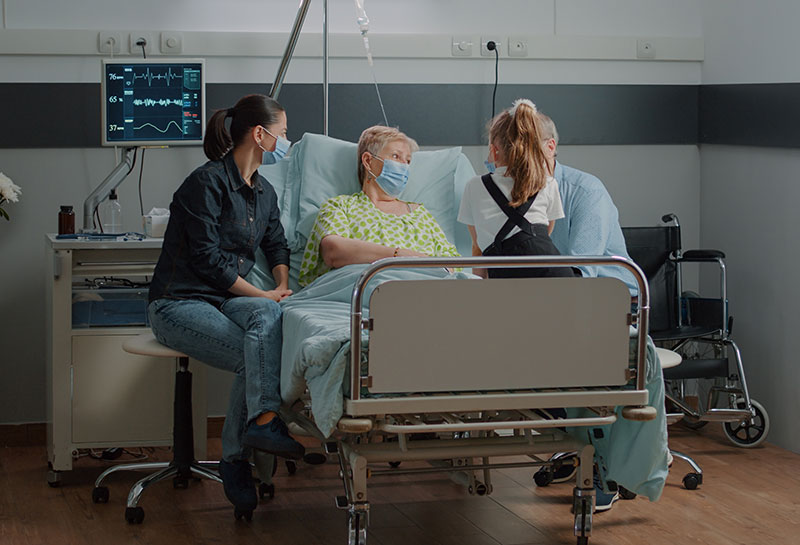
UVC LEDs have proven to be exceptionally effective in both air purification and water disinfection applications. These technologies utilize UVC LEDs to neutralize airborne pathogens and microorganisms in water, ensuring safer environments for public and industrial use.
Air Purification: UVC LEDs are integrated into air purifiers to help remove airborne bacteria, viruses, and allergens. When the air passes through UVC systems, it is irradiated with UVC light, effectively inactivating pathogens in the process.
Water Treatment: UVC LEDs are widely used in water sterilization systems for both drinking water and industrial water treatment. UVC light kills bacteria, viruses, and protozoa in water, preventing waterborne diseases.
When it comes to disinfection, both UVC LED technology and chemical disinfectants are commonly used, but they come with different strengths and weaknesses. Let's compare these two methods in terms of effectiveness, safety, and environmental impact.
UVC LEDs are highly effective at inactivating pathogens like bacteria, viruses, and fungi, especially in controlled environments like water purification systems and air filtration. The high-energy photons emitted by UVC LEDs penetrate the genetic material of microbes, preventing them from reproducing.
Chemical disinfectants, while effective, often leave residue and require longer application times. They also have to be chemically activated and may not work as efficiently against all pathogens.
UVC LEDs are mercury-free, making them safer for the environment compared to traditional UV lamps. They are also easy to integrate into various disinfection systems, such as air purifiers, water treatment units, and surfaces.
Chemical disinfectants, on the other hand, often contain harsh chemicals that can be toxic if mishandled or improperly disposed of. Prolonged exposure can be harmful to humans and animals, and they may also cause allergic reactions.
UVC LEDs work almost instantly, making them ideal for environments that require continuous or rapid disinfection, such as air systems or surfaces in high-traffic areas.
Chemical disinfectants often require contact time to be effective, which can be an issue in environments where rapid action is needed.
One of the major benefits of UVC LED technology is its long lifespan and durability. Unlike traditional mercury-based lamps, UVC LEDs do not degrade as quickly, ensuring long-term, cost-effective performance.
UVC LEDs can last up to 25,000 hours or more, significantly reducing the need for frequent replacements.
In comparison, traditional UV lamps, such as mercury vapor lamps, typically have a lifespan of around 2,000-4,000 hours, which can increase maintenance costs.
The longevity of UVC LEDs results in significant cost savings for businesses and industries that rely on disinfection systems.
Reduced Maintenance Costs: UVC LEDs’ longer operational lifespan means fewer replacements.
Lower Power Consumption: UVC LEDs are more energy-efficient compared to traditional UV lamps, further reducing operational costs.
UVC LEDs offer a significant advantage over traditional UV sources when it comes to precision control. The ability to turn on and off instantly makes UVC LEDs an efficient choice for targeted disinfection.
UVC LEDs can be activated or deactivated instantly, which is especially useful in systems that require precise control over disinfection cycles, such as air purifiers or automated cleaning devices. This instant control reduces wasted energy and enhances efficiency.
The ability to control exposure time accurately allows for efficient disinfection without overuse or underuse of UVC light.
Traditional UV lamps take longer to warm up and cool down, which can lead to inefficient use of energy and less precise control.
UVC LED technology has become a valuable tool in healthcare settings, offering efficient disinfection and sterilization capabilities. Hospitals, clinics, and laboratories are increasingly adopting UVC LEDs for sterilizing both medical equipment and environments.
Medical Equipment Sterilization: UVC LEDs are used in UV sterilizers to disinfect surgical instruments, ensuring that pathogens are eliminated without the use of chemicals.
Air Disinfection Systems: Many hospitals and clinics have implemented UVC LED air purifiers to kill airborne pathogens, reducing the risk of hospital-acquired infections (HAIs).
| Application | UVC LED Technology |
|---|---|
| Surgical Tools | UV sterilizers for tools |
| Air Disinfection | UVC air purifiers for pathogen control |
| Environmental Sanitation | UVC disinfecting systems in patient rooms |
With UVC LEDs, healthcare facilities can achieve faster, more effective sterilization with fewer chemicals, contributing to a cleaner, safer environment for patients and staff.
The use of UVC LEDs is expanding beyond hospitals into consumer products and commercial applications. Their ability to disinfect and purify has made them a popular choice for everyday items.
Water Purifiers: UVC LED water purifiers are becoming more common in households and businesses, providing safe drinking water by effectively killing bacteria and viruses without the need for chemicals.
Air Purifiers: UVC LEDs are also integrated into air purifiers, helping to reduce airborne allergens, bacteria, and viruses, improving air quality in homes and commercial spaces.
Sanitizing Wands: Consumers can now purchase portable UVC LED sanitizing wands, which can be used to disinfect surfaces, smartphones, keyboards, and other everyday objects.
| Sector | UVC LED Applications |
|---|---|
| Hospitality | UVC air purifiers and surface disinfecting systems |
| Food Processing | UVC sanitizers for food prep surfaces and equipment |
| Retail | UVC sanitizing wands and air purifiers |
UVC LEDs offer a chemical-free solution that is easy to use, cost-effective, and efficient, making them an excellent addition to households and businesses seeking to improve hygiene and air quality.
In industrial applications, particularly within the food industry, UVC LEDs provide a highly effective solution for maintaining food safety and pathogen control without resorting to harmful chemicals.
Packaging Disinfection: UVC LEDs are integrated into packaging lines to disinfect containers, preventing contamination before they are filled with food products.
Food Processing: UVC LEDs are used to sanitize surfaces and equipment in food production areas, ensuring that pathogens are eradicated without compromising the safety or quality of food products.
UVC LED technology has proven to be an effective solution for disinfection in various settings, including healthcare, commercial, and industrial applications. It is known for its ability to inactivate bacteria, viruses, and fungi. MASSPHOTON offers high-quality UVC LED products that are durable, efficient, and eco-friendly, providing a reliable and safe disinfection method without the use of chemicals. The company's products deliver long-term value by ensuring precise, chemical-free sterilization in diverse environments.
A: UVC LED is a technology that emits ultraviolet light at wavelengths between 200–280 nm, known for its germicidal properties in deactivating bacteria, viruses, and fungi.
A: UVC LEDs are highly effective at inactivating pathogens like E. coli, SARS-CoV-2, and other microorganisms, providing reliable disinfection without chemicals.
A: UVC LEDs work by emitting light that damages the DNA or RNA of microorganisms, preventing their replication and rendering them harmless.
A: Yes, UVC LEDs are used in water treatment systems to disinfect water, killing harmful pathogens and ensuring safe drinking water.
A: Yes, UVC LEDs are safer because they are mercury-free and do not leave harmful residues, unlike many chemical disinfectants.