

Protect Your Wine with
Chemical-Free UV Water Disinfection
Advanced UV-C technology eliminates spoilage microbes, prevents TCA formation, and ensures regulatory compliance
— without chlorine, ozone, or chemical residues that compromise your wine's sensory profile.
Why Wineries Need Specialized Water Treatment
Water touches nearly every stage of winemaking — from equipment cleaning to bottle rinsing and yeast rehydration. Yet many wineries rely on municipal water or simple filtration that falls short of the purity standards fine wine demands.


TCA: The Silent Wine Killer
Trichloroanisole (TCA) forms when chlorine reacts with natural phenolic compounds in wood, cork, or airborne molds. It's the primary compound behind "cork taint" — a musty, moldy defect that can ruin entire batches. Using chlorinated water for cleaning barrels, equipment, or bottling lines creates a direct pathway for TCA contamination. UV-C LED treatment eliminates this risk entirely by removing chlorine from the equation.

How UV-C Disinfection Works
UV water treatment uses ultraviolet light in the UV-C spectrum (100–280 nm) to inactivate microorganisms by damaging their DNA and RNA. The germicidal peak occurs around 254 nm, which closely matches the maximum absorption wavelength of microbial nucleic acids.
Absorption — Microbial DNA absorbs UV-C photons between 240–280 nm
Thymine dimer formation — Abnormal bonding in DNA strands
Replication blocked — Pathogens can no longer reproduce
Permanent inactivation — ~100 dimers render pathogens harmless
6 Key Applications of UV in Wineries
From grape processing to wastewater discharge, UV-C LED technology provides chemical-free microbial control at every critical stage of winemaking.

Process Water Disinfection
Disinfects water used throughout winemaking operations — from grape processing to equipment cleaning — ensuring microbial control without altering water chemistry.

Bottle Washing & Rinsing
Provides chemical-free rinse water with zero risk of sanitizer carryover into finished wine at the critical bottling line contamination point.

Yeast Rehydration & Fermentation
Destroys wild yeasts and spoilage bacteria in yeast preparation water, ensuring only the intended fermentation strain is active.

Laboratory & QC Water
Provides microbe-free water for quality testing and analytical work — microbial purity without chemical residues that interfere with assays.

CIP & Biofilm Control
Maintains microbial control in process piping and tanks, helping prevent biofilm formation on hard-to-reach internal surfaces.

Wastewater Treatment
Serves as a final disinfection step after biological treatment, reducing pathogen discharge to comply with environmental regulations.
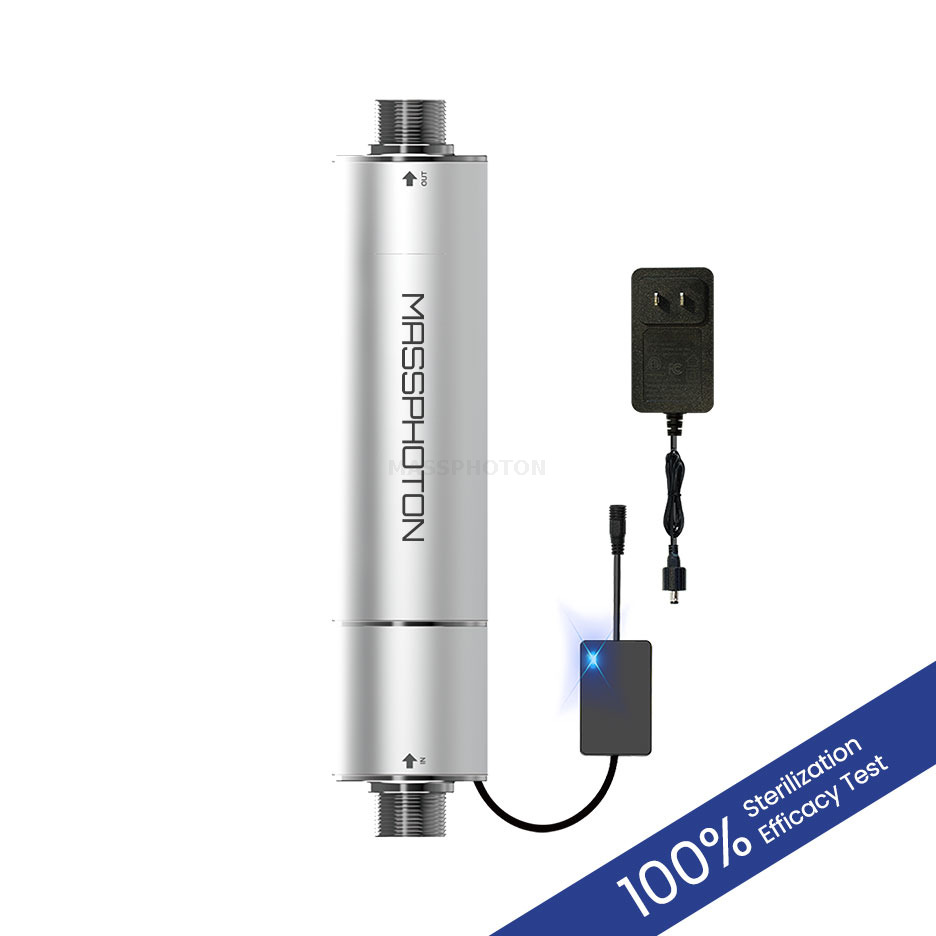


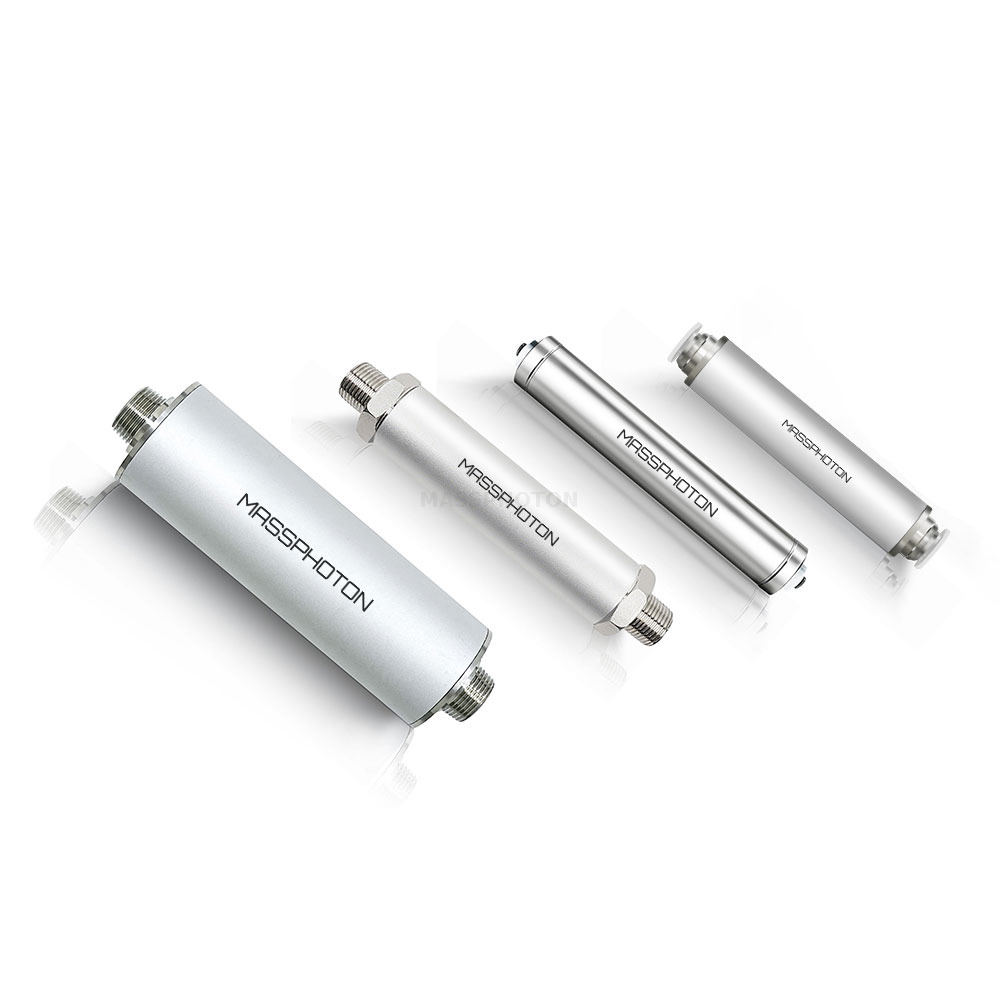

Microorganisms UV-C Eliminates
UV-C disinfection is effective against the full spectrum of microorganisms that threaten wine quality — from spoilage yeasts to chlorine-resistant protozoa.
Brettanomyces bruxellensis
Yeast
Produces barnyard, metallic, medicinal off-flavors; spoils entire batches
Saccharomyces (wild strains)
Yeast
Unwanted fermentation, haze formation, flavor deviation
Zygosaccharomyces
Yeast
Microbiological instability, re-fermentation in bottled wine
Kloeckera / Hanseniaspora
Yeast
Early fermentation interference, off-flavor production
Candida, Pichia, Hansenula
Surface Film Yeasts
Film formation on wine surface, oxidation, flavor defects
Acetobacter spp.
Bacteria
Vinegar spoilage, acetic acid production, ethyl acetate
Pseudomonas aeruginosa
Bacteria
Waterborne pathogen, chlorine-resistant
Cryptosporidium
Yeast
Chlorine-resistant parasite; human health risk in process water
Various Molds & Spores
Fungi
Equipment contamination, musty aromas, visual defects
Frequently Asked Questions
Can UV serve as the primary disinfection method for winery process water?
Yes. UV can serve as the primary disinfection method for winery process water, eliminating the need for chlorine. Wineries such as Brown Brothers (Australia) have successfully operated with UV as their sole water disinfection technology since 2009. UV eliminates chlorine residues, TCA risk, and trihalomethane formation while providing effective broad-spectrum microbial control including chlorine-resistant protozoa.
Does UV treatment affect the taste or aroma of wine?
Why choose UV-C LED over traditional mercury lamps?
What pre-treatment is needed before a UV system?