
Author: Site Editor Publish Time: 18-05-2026 Origin: Site


Purifying your drinking supply using light might sound like a clever marketing gimmick. However, it stands as one of only four FDA-approved water disinfection methods available today. Buyers often struggle to separate scientific fact from sales fiction when evaluating purification hardware. You need accurate data to protect your facility or home.
Properly configured uv water treatment is exceptionally effective at neutralizing biological pathogens. Despite this power, you must understand it is not a standalone magic bullet. Water quality requires a holistic, multi-stage approach. Relying on a single bulb to solve every plumbing issue often leads to dangerous gaps in your protection.
We will explore a science-backed, objective evaluation of this technology. You will learn what the hardware actually accomplishes and where its capabilities strictly end. We will also detail the required system pairings necessary for a successful, real-world setup. This guide gives you the exact parameters needed to guarantee safe, clean drinking water.
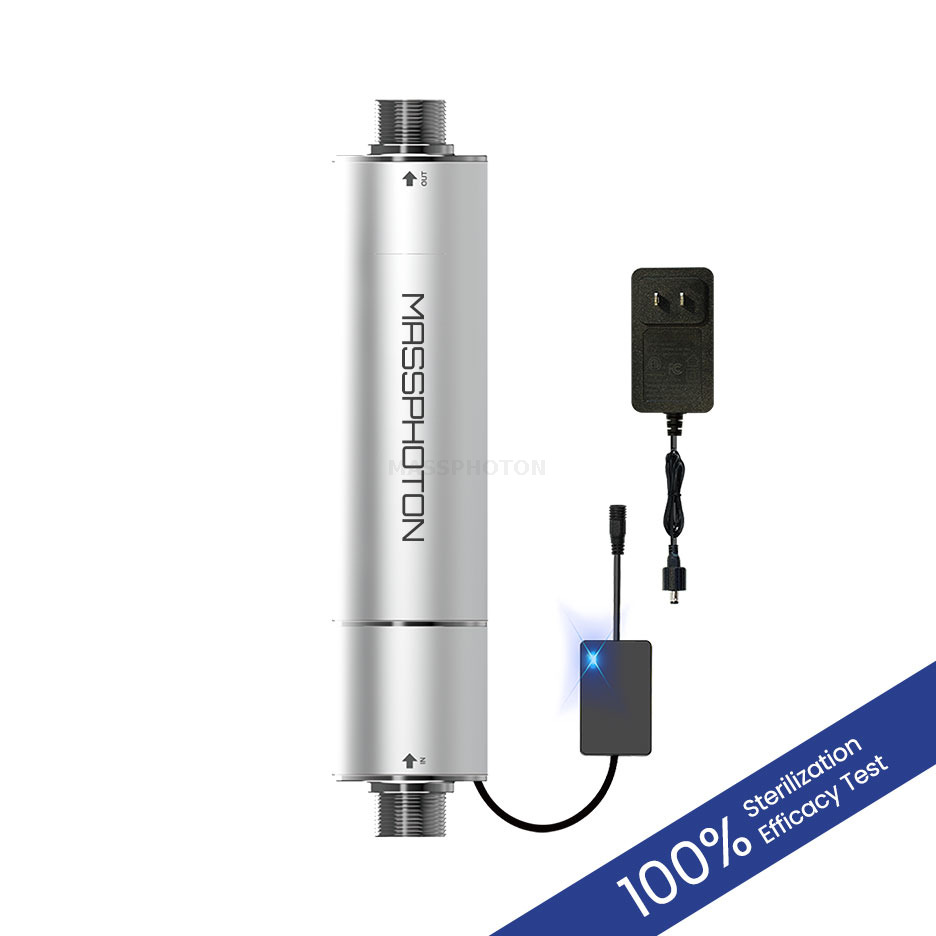
Highly lethal to microbes: Properly dosed UV-C light neutralizes up to 99.99% of bacteria, viruses, and chlorine-resistant cysts (like Cryptosporidium) in seconds.
Strictly biological: UV treatment has a zero percent efficacy rate against heavy metals, chemical runoff, salts, or physical sediment.
Requires pre-filtration: Turbidity and suspended solids create microscopic "shadows" that shield bacteria from the light, making clear water a prerequisite.
No residual protection: UV sanitizes water at the exact point of contact but does not leave chemical disinfectants in the pipes to prevent downstream biofilm growth.
Low-maintenance but inflexible: Systems run 24/7 and require annual lamp replacements (approx. 8,760 hours) and clean quartz sleeves to maintain penetration power.
Commercial purification systems do not rely on standard visible light. They utilize the UV-C spectrum. Engineers calibrate these lamps to emit wavelengths optimally around 254 nanometers (nm). This specific wavelength is known as the germicidal frequency. It targets the very foundation of biological life.
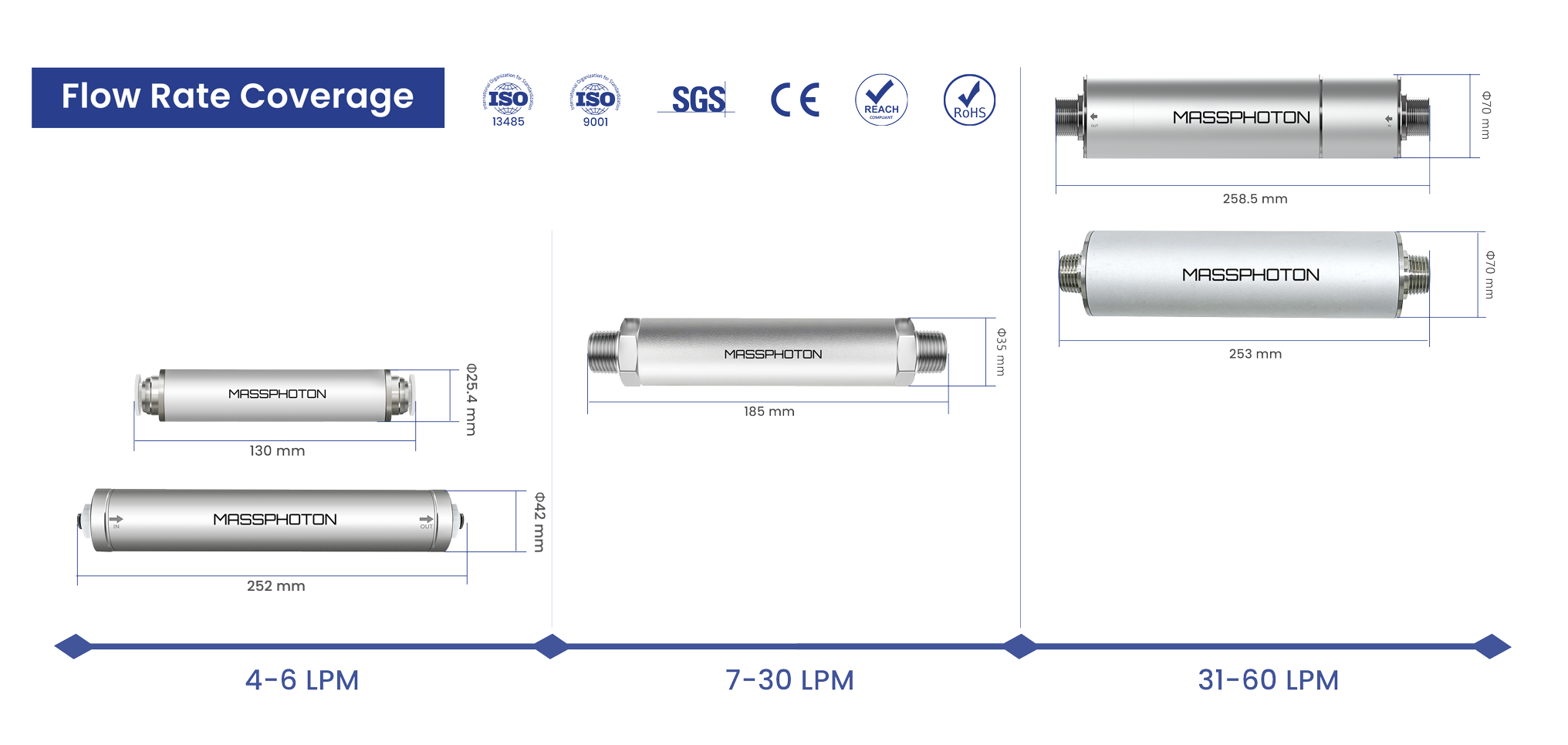
When contaminated water passes through the chamber, the light penetrates the cell walls of any present microbes. The process destroys the nucleic acids inside the organism. Specifically, the UV-C energy disrupts pyrimidine dimers in the DNA and RNA. This structural damage prevents the pathogen from reproducing or executing vital cellular functions. The system does not physically remove the pathogen from your water. Instead, it sterilizes the organism entirely. A sterilized microbe cannot cause infection and is rendered entirely harmless.
The sterilization process happens incredibly fast. Efficiency is a primary hallmark of this technology. At proper flow rates, the lethal sequence occurs within 10 seconds of contact time. Because the reaction is nearly instantaneous, you do not need holding tanks to achieve safe sanitation.
Dosing requirements dictate the true effectiveness of the hardware. Not all microbes respond equally to ultraviolet radiation. You must account for biological realities:
Cell Wall Thickness: Gram-positive bacteria possess thicker cellular structures. They require higher doses of ultraviolet energy for full penetration.
Photoreactivation: Certain bacteria have repair mechanisms. They can use visible light to heal their damaged DNA after minor UV exposure.
Target Intensity: Choosing a high-output system is critical. Industry standards often recommend delivering a baseline dose of 40 mJ/cm².
Substandard, underpowered alternatives fail to deliver this required dosage. They leave microscopic survivors in your plumbing line. Proper sizing ensures the radiation permanently neutralizes even the most resilient organisms.
Ultraviolet radiation excels at eradicating living organisms. It functions as an impenetrable barrier against high-risk bacteria. You can confidently neutralize threats like E. coli, Salmonella, and Listeria. Municipal water line breaks often introduce these dangerous bacteria into residential supplies. Private wells remain highly susceptible to agricultural runoff containing these same microbes.
The technology also proves highly effective against viruses. Typical targets include Hepatitis A and the Poliovirus. Because viruses are incredibly small, physical filters often struggle to catch them. Ultraviolet light ignores physical size and directly attacks their genetic core.
Thick-walled protozoan cysts present a unique challenge for standard municipal facilities. Giardia and Cryptosporidium are notoriously highly resistant to standard chlorine treatments. They survive chemical baths and routinely cause widespread illness. Ultraviolet energy easily penetrates their thick defensive shells, offering superior protection where chemical disinfectants fail.
We must draw a hard boundary around the capabilities of this technology. Ultraviolet light does not filter, separate, or alter non-living matter. It strictly attacks biological targets.
The hardware will not remove dissolved heavy metals from your supply. Lead and iron pass through the light chamber completely unchanged. It ignores chemical additives like municipal fluoride. The system cannot eliminate chlorine taste or odor. Microplastics and PFAS (forever chemicals) remain entirely unaffected by the radiation.
Industry terminology often creates consumer confusion. Calling the process "UV filtration" is a technical misnomer. Nothing is physically filtered or strained from the liquid. The accurate and correct term is "UV disinfection." Understanding this distinction helps you avoid false confidence regarding chemical contamination.
Contaminant Neutralization Chart | ||
Contaminant Category | Specific Examples | UV Efficacy |
|---|---|---|
Bacteria | E. coli, Salmonella, Listeria, Coliform | Effective (Up to 99.99%) |
Viruses | Hepatitis A, Poliovirus, Rotavirus | Effective (Up to 99.99%) |
Protozoan Cysts | Giardia, Cryptosporidium | Effective (Up to 99.99%) |
Heavy Metals | Lead, Iron, Copper, Arsenic | Zero Efficacy |
Chemicals & Additives | Chlorine, Fluoride, PFAS, Pesticides | Zero Efficacy |
Physical Debris | Sediment, Sand, Microplastics | Zero Efficacy |
Radiation follows the physical laws of optics. Ultraviolet light travels in straight lines. This creates the line-of-sight rule. The light beam must physically strike the organism to destroy its DNA. If a microbe is hidden behind a particle of dirt, it survives the journey. The dirt casts a microscopic shadow, offering a safe haven for the pathogen.
Turbidity and suspended solids directly cause these shadows. Environmental Protection Agency (EPA) guidelines state your water must possess low turbidity. The Total Suspended Solids (TSS) metric must remain below 30 mg/L. Cloudiness completely absorbs or deflects germicidal energy. Dark, muddy, or sandy liquid essentially blinds the system.
Hard water creates an entirely different shielding mechanism. Calcium and magnesium naturally exist in many ground supplies. These hard minerals quickly calcify on the system's glass quartz sleeve. The quartz sleeve houses the lamp and separates it from the liquid. Scaling acts as a thick, physical shield. A clouded quartz sleeve traps the light inside, plunging the water chamber into darkness.
You must embrace a strategy of hardware synergy. Disinfection is essentially the final stage of a larger technological stack. It cannot operate alone in a demanding environment. Proper configuration requires specific companion hardware:
Mechanical Pre-filtration: You must install a sediment filter or a Reverse Osmosis (RO) unit. These devices catch suspended solids, sand, and microplastics. They ensure the water is crystal clear before it enters the radiation chamber.
Water Softening: If you draw from a hard municipal or well source, you need a softener. Removing calcium and magnesium prevents scaling on the lamp housing. Clean glass guarantees maximum light penetration.
Activated Carbon: You should deploy carbon blocks to absorb chlorine, odors, and chemical runoff. This handles the inorganic threats the light ignores.
Different sanitation methods operate on vastly different timelines. Ultraviolet hardware sterilizes instantly as liquid flows past the lamp. We call this Point of Contact disinfection. It is immediate and highly localized. However, once the liquid leaves the steel chamber, it has no ongoing defense. We refer to this vulnerability as No Residual Protection. If bacteria somehow enter your pipes further down the line, the water will become re-contaminated.
Chlorine presents a distinct contrast. Municipalities favor chlorination because it leaves an active chemical residual in the plumbing. This residual chemical travels the entire distance to your faucet. It fights downstream contamination and prevents biofilm from forming inside your walls. The trade-off is significant. Chlorine creates unwanted chemical byproducts. It also causes noticeable taste and odor issues.
Interestingly, the two systems can interact. Heavy exposure to UV light can actually degrade free chlorine in the liquid. Placing the radiation unit at the correct stage in your plumbing sequence is crucial. You do not want to accidentally strip away municipal chlorine before the liquid reaches your drinking glass.
Boiling remains the traditional emergency method for biological safety. Local governments issue boil orders during pipeline ruptures. Boiling works, but it brings severe limitations.
You must heat the liquid for several minutes. It is a slow, batch-by-batch process. Boiling is highly energy-intensive. It also alters the natural dissolved oxygen profile. This oxygen loss creates a distinctly flat, unappealing taste. Furthermore, you must wait for the liquid to cool before consumption.
Ultraviolet technology modernizes this process. The reaction takes mere seconds. It processes continuous, uninterrupted flow. The lamps use minimal electricity, similar to a standard household lightbulb. Most importantly, it leaves the natural temperature, dissolved oxygen, and taste profile perfectly intact.
Selecting the correct hardware dictates your long-term success. You must decide where the disinfection needs to happen. We categorize these zones into Point of Entry (POE) and Point of Use (POU) installations.
You install POE systems at the main supply line. They treat every single drop entering the building. Private well owners predominantly use POE installations. This strategy protects the entire house's plumbing network. It ensures the water flushing your toilets and running your showers is biologically sterile.
You install POU systems under a specific sink. They strictly protect water meant for drinking and cooking. Homeowners usually pair POU units with an under-counter Reverse Osmosis system. This is an excellent, compact strategy for municipal users seeking extra security at the kitchen tap.
You must understand the rules of continuous operation. We address a very common consumer misconception here: you should never turn the lamps off and on like a room light. Frequent power cycling drastically degrades the lamp's lifespan. The ballast and bulb are engineered for constant, 24/7 operation. The on/off penalty is severe. Cycling the power daily will destroy the lamp in a matter of months.
Maintenance realities determine the safety of your home. You must set clear operational expectations. The hardware degrades invisibly over time. The lamps lose their germicidal intensity after roughly 8,760 to 10,000 hours of continuous use. This translates to an annual replacement cycle.
You cannot rely on your eyes to judge lamp health. A dying bulb will still emit visible blue light. However, the invisible UV-C rays have faded away. You must replace the bulb annually, regardless of how bright it looks. Furthermore, the quartz sleeves require annual removal and cleaning. You should use a mild acid, like citric acid, to dissolve any minor mineral buildup. The sleeves themselves suffer microscopic degradation and require full replacement every three to five years.
Certification standards separate reliable medical-grade hardware from ineffective gadgets. You should strictly look for ANSI/NSF Standard 55 certifications. Class A certification indicates the hardware can handle visibly contaminated or unknown supplies. It guarantees a robust 40 mJ/cm² dosage. Class B certification is designed for the supplemental treatment of already-safe municipal water. Top-tier hardware also features built-in intensity sensors. These sensors monitor the actual light output. If the light dims, a fail-safe solenoid valve automatically shuts off the water flow, preventing dangerous, untreated liquid from reaching your faucet.
Ultraviolet technology is profoundly effective for biological safety. It instantly destroys the DNA of bacteria, viruses, and stubborn protozoan cysts. This impressive lethality makes it a mandatory installation for private well owners facing agricultural runoff. It also serves as an excellent, low-maintenance insurance policy for municipal users guarding against aging city infrastructure.
However, you must respect its strict boundaries. The light cannot filter heavy metals, remove chemicals, or penetrate cloudy sediment. Standalone installations fail when faced with hard or muddy water.
Your immediate next step is gathering data. You must conduct a comprehensive water test before purchasing any hardware. Identify your exact turbidity metrics, hardness levels, and iron content. This precise data ensures you buy the correct pre-filtration equipment to run alongside your disinfection unit, guaranteeing a lifetime of safe, crystal-clear water.
A: No. Because it relies entirely on electricity, water flowing through the system during a blackout is untreated. The lamps cannot emit radiation without continuous power. Systems should always be paired with an automatic solenoid valve. This fail-safe valve physically shuts off the water flow the moment electricity is lost, preventing contaminated liquid from entering your home.
A: No. While heavy commercial municipal systems can degrade chlorine through a process called photolysis, standard residential hardware does not remove chlorine taste or odor. The light targets living biology, not chemical additives. You need an activated carbon pre-filter installed before the lamp to effectively absorb the chlorine and fix the taste.
A: Yes. Because ultraviolet light offers no residual protection, any biological growth that existed in the downstream pipes prior to installation will remain alive. The light only kills what passes through the chamber. A one-time chemical shock, usually via temporary chlorination of the downstream plumbing, is standard practice post-installation to destroy existing biofilm.


