


The shift away from chemical water disinfection has accelerated rapidly in recent years. Facilities and homeowners now actively seek non-toxic, physical treatment methods. They want smart solutions protecting human health without adding harmful chemical byproducts to the water supply. In this changing landscape, uv water treatment stands out as a proven standard for microbiological safety. However, you cannot treat it as a standalone magic bullet. It requires highly specific integration within a broader water treatment architecture. Misunderstanding this dependency often leads to catastrophic system failure and a false sense of security.
This guide transitions you from a basic understanding to practical, real-world evaluation. We equip you with the specific technical criteria needed for project success. You will learn how to determine if a UV system truly fits your specific compliance needs. We also cover the operational and water quality requirements essential for proper installation. By the end, you will confidently navigate complex sizing metrics, mandatory pre-filtration, and seamless system integration.
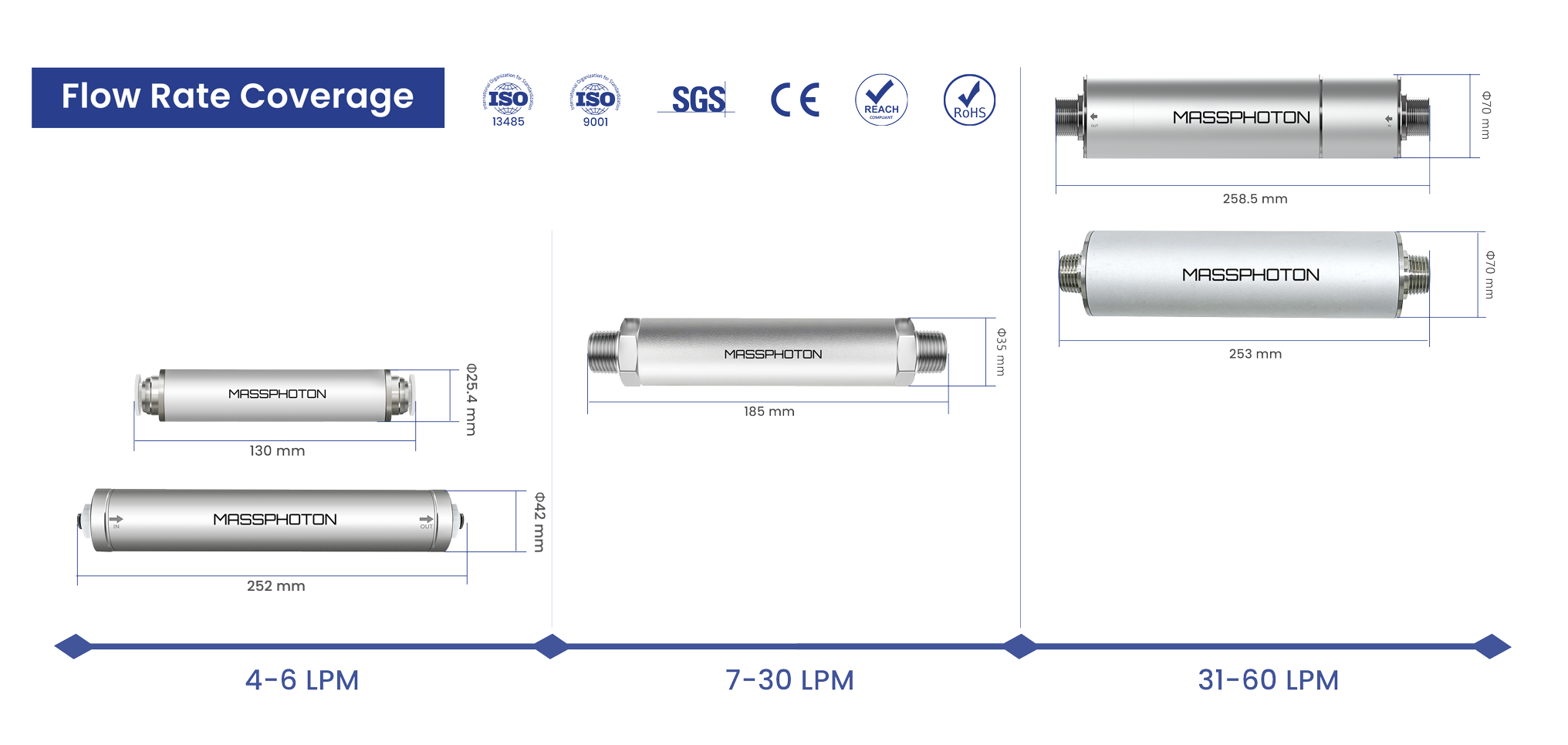
Core Function: UV water treatment uses specific wavelengths of light (UVC) to inactivate pathogens by disrupting their DNA, preventing reproduction.
Primary Advantage: It is a chemical-free process that creates no disinfection byproducts (DBPs) and does not alter water taste or odor.
Critical Limitation: UV does not physically remove contaminants or heavy metals; it relies heavily on proper pre-filtration for effective light transmittance.
Sizing Metric: System efficacy is evaluated not just by flow rate, but by required UV dose (mJ/cm²) mapped against regulatory standards (e.g., EPA, NSF).
Let's explore the precise scientific mechanism driving this technology. UV systems utilize a specific, powerful wavelength of light to neutralize biological threats. The UVC spectrum, particularly at exactly 254 nanometers, easily penetrates the rigid cell walls of microorganisms. This potent energy directly scrambles the DNA and RNA of dangerous bacteria, viruses, and cysts. For example, highly resilient pathogens like Cryptosporidium and Giardia succumb quickly to this intense exposure. Once their genetic material is permanently disrupted, these microorganisms cannot reproduce. A pathogen unable to multiply poses absolutely no threat to human health or safety.
You must understand a critical biological reality regarding this process. UV light does not physically trap or remove pathogens from the system. They remain physically present in the flowing water stream. However, they are completely rendered harmless. This vital distinction separates light-based inactivation from traditional physical filtration methods. You are entirely neutralizing the biological threat rather than catching it in a physical media bed. You do not have to clean trapped bacteria out of a filter later.
Industry professionals consistently rely on established validation frameworks to guarantee public safety. You should look for systems explicitly meeting strict EPA guidelines and NSF/ANSI Standard 55. These rigorous testing frameworks define what constitutes a statistically verified 99.99% pathogen reduction. This impressive metric is widely known in the industry as a 4-log reduction. Achieving this standard proves the uv water treatment system delivers reliable, scientifically backed protection for end consumers.
Traditional chlorination presents significant, well-documented operational drawbacks. Facilities face ongoing chemical procurement logistics and expensive storage challenges. Handling liquid chlorine routinely poses considerable safety risks to maintenance personnel. Furthermore, chlorine requires massive contact-time tanks to work effectively. These giant tanks consume valuable spatial footprints inside crowded treatment rooms. The most concerning issue involves the inevitable creation of disinfection byproducts (DBPs). When chlorine reacts to naturally occurring organic matter, it forms highly carcinogenic DBPs. Many global regulatory bodies now strictly monitor and limit these harmful chemical compounds in drinking supplies.
Chemical-free processes brilliantly preserve the original water chemistry. This delivers massive business and residential value across various sectors. Homeowners generally despise the harsh taste and distinct odor of municipal chlorine. Businesses in the competitive food and beverage sector require absolute flavor neutrality. Utilizing UV light ensures the water remains fresh, crisp, and completely unaltered. You achieve complete microbiological safety without ruining the delicate sensory experience of the final product.
Local health mandates often dictate strict rules for public water supplies. Well water sources, surface water applications, and municipal backups require robust protection protocols. Using advanced UV technology satisfies these strict requirements seamlessly. Facilities completely avoid the complex, costly regulatory burden of hazardous chemical disposal. You effectively mitigate daunting compliance risks while implementing a highly sustainable, physical treatment method.
Transparency entirely determines your final disinfection success. UV light simply cannot penetrate cloudy, dark, or turbid water. This optical phenomenon is scientifically called "shadowing." If microscopic sediment physically hides a pathogen, the light cannot scramble its DNA. Therefore, incoming water faces extremely strict physical clarity requirements. Turbidity must consistently fall below 1 NTU. Iron levels must stay well under 0.3 ppm. Hardness must also remain incredibly low. Excess minerals cause rapid, thick scaling on the clear quartz sleeve protecting the lamp. This scaling acts exactly like a dirty window during a storm. It aggressively blocks the vital UVC light from ever reaching the water stream.
We must honestly address the primary systemic risk associated here. UV only disinfects water exactly at the very point of contact. Unlike injected chlorine, it leaves no residual chemical protection traveling downstream. If your post-UV plumbing is compromised, rapid recontamination occurs instantly. Microorganisms can grow inside older, unchecked pipes over extended periods of time. You must chemically sanitize your entire plumbing network thoroughly during the initial installation phase. Failure to sanitize downstream pipes renders the new equipment virtually useless.
Physical disinfection relies entirely on a continuous, uninterrupted electrical power supply. System efficacy drops directly to zero immediately during any power outage. Untreated, dangerous water could easily pass through the chamber if the well pump continues running. You should install reliable mechanical fail-safes to prevent this exact nightmare scenario. A normally closed solenoid shut-off valve is highly recommended by experts. It automatically blocks water flow completely when power fails, fiercely protecting your supply.
Undersizing is a dangerous, incredibly common mistake made by novices. Many inexperienced buyers erroneously look at average daily water usage. Instead, you must rigidly rate systems for the absolute peak flow rate. Imagine every single plumbing fixture in the entire building opening simultaneously. If water passes the internal lamp too quickly, pathogens survive the brief exposure. The system must accommodate this maximum gallons-per-minute (GPM) demand safely. You cannot compromise on peak GPM ratings under any circumstances.
Sizing relies heavily on a fundamental, proven mathematical formula: UV Dose = Intensity × Exposure Time. Intensity measures the baseline electrical strength of the active UVC lamp. Exposure time reflects exactly how long the water stays trapped in the reaction chamber. A standard domestic dose typically ranges from 16 to 30 mJ/cm². However, commercial or health-compliant scenarios demand much higher power output. These strict applications require intense doses of 40 mJ/cm² or significantly more. You must match the calculated dose precisely to your specific microbial risk level.
Let's summarize the standard classifications you will frequently encounter in the market.
System Classification | Minimum UV Dose | Primary Application | Pathogen Target Level |
|---|---|---|---|
Class A (NSF/ANSI 55) | 40 mJ/cm² | Microbiologically unsafe water | High (4-log reduction) |
Class B (NSF/ANSI 55) | 16 mJ/cm² | Municipal backup | Low (Supplemental only) |
Standard Domestic | 30 mJ/cm² | Clean residential well water | Medium |
You must mandate a highly comprehensive water analysis first. Never quote or purchase a system without intimately knowing your baseline chemistry. This analytical test dictates your necessary pre-treatment budget accurately. You might suddenly discover high iron or excessive calcium hardness lurking in the supply. If so, you will need dedicated softeners or heavy iron filters installed before the UV chamber. Bypassing this step guarantees premature equipment failure.
Here is a proven, step-by-step sequence for successful project implementation:
Pull a comprehensive water sample directly from the main facility inlet.
Send the collected sample to a certified laboratory for detailed chemical analysis.
Select appropriate pre-filtration equipment strictly based on the laboratory report.
Calculate the absolute peak flow rate of the facility measured in GPM.
Match the peak GPM to a properly validated, commercial-grade UV unit.
Do not rely solely on shiny, optimistic manufacturer spec sheets. You should constantly demand third-party validation for ultimate peace of mind. Independent certifications strongly guarantee performance under highly stressful, real-world conditions. Look specifically for trusted NSF/ANSI 55 Class A ratings. This proves the system consistently delivers the promised 40 mJ/cm² dose without fail. You gain absolute confidence in your microbial defense strategy.
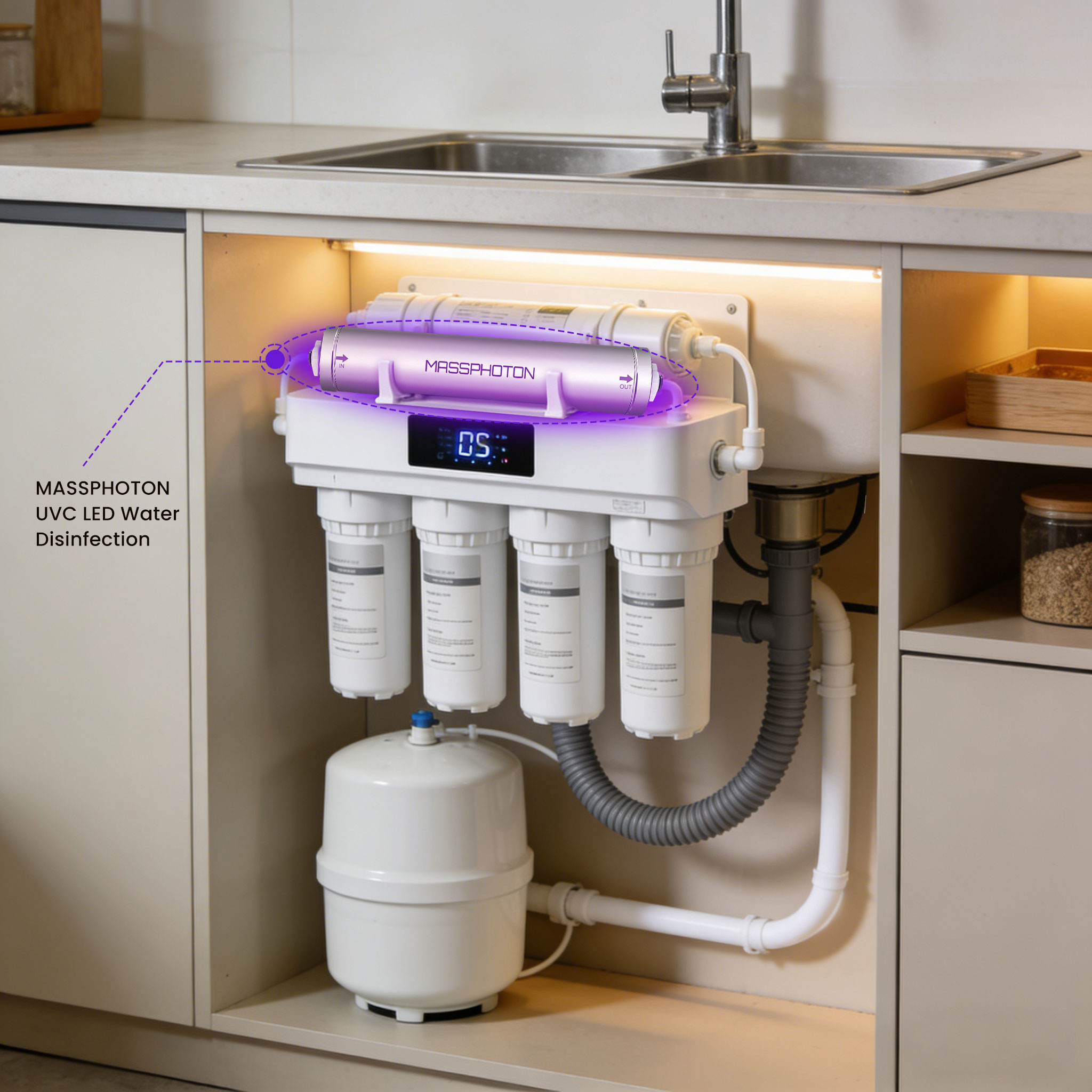
Evaluate exactly how the new equipment connects to your existing plumbing infrastructure. Tight space constraints often severely dictate your final hardware choice. Consider the specific footprint requirements of the stainless steel reaction chamber. Determine early whether you need vertical or horizontal mounting configurations. Additionally, carefully assess the physical proximity to a reliable, dedicated power source. Proper integration physically ensures incredibly easy access for future routine lamp maintenance.
You now fully understand the critical mechanisms driving physical water purification forward. Implementing these advanced systems correctly guarantees profound, lasting health and safety benefits. Here are the core actions you must remember moving forward:
Establish your baseline water chemistry through certified laboratory testing before purchasing any equipment.
Build an incredibly robust pre-filtration setup to eliminate dangerous shadowing risks completely.
Calculate your peak flow demand accurately to prevent critical undersizing hazards entirely.
Install an automatic solenoid shut-off valve to properly manage unexpected power failures safely.
Do not leave your facility's microbiological safety strictly to chance. Schedule a comprehensive water test today. Consult directly with a specialized sizing engineer to design your custom pre-filtration and purification architecture perfectly.
A: No. UV light only neutralizes living microorganisms. It has no effect on dissolved solids, chemicals, heavy metals, or PFAS. An RO (Reverse Osmosis) or activated carbon system is required for those.
A: While the lamp may still emit visible blue light after 12 months, the invisible UVC intensity degrades. Most reliable systems include a countdown timer or a UV intensity monitor sensor to guarantee dose compliance.
A: It is strongly advised against. Even microscopic sediment can shield bacteria from the UV light (shadowing), rendering the system ineffective and providing a false sense of security.
A: Class A systems deliver a minimum UV dose of 40 mJ/cm² (designed to treat visibly clear but microbiologically unsafe water). Class B delivers 16 mJ/cm² (designed only for supplemental treatment of already-safe municipal water).


