

Semiconductor Laser Packaging Technology: Thermal Management, Optical Performance Enhancement, and Reliability Studies

Main text
Figures
Tables
References
Achieving low resistance ohmic connections is one of the significant factors in improving the performance of optoelectric and semiconductor devices. In this work, we examined the decrease in specific contact resistance (ρc) after high-temperature annealing and vanadium thickness variation on an n-type AlGaN epitaxial layer with a high aluminum concentration (75%). To measure it, we prepared rectangular transmission line model electrodes and measured the specific contact resistance at annealing temperatures ranging between 800 and 950 ○C. The results showed that the minimum specific contact resistance achieved was 4.12 × 10⁻² Ω c㎡ at an annealing temperature of 850 ○C, which was two times lower compared to that of surface contact mode. It is also demonstrated how the contact resistance of the epitaxial n-type AlGaN layer varies as the vanadium thickness changes from 2 to 15 nm.
Keywords
Semiconductor lasers are devices that convert electrical energy into optical energy. They offer advantages such as high speed, efficiency, and precision. They are widely utilized in optical communication, biomedicine, intelligent manufacturing, optical fiber transmission systems, and scientific applications [1–4]. As laser technology continues to advance, the variety and quantity of lasers are increasing, along with the demand for improved performance and reliability [5]. However, due to the unique properties of lasers, their packaging and testing technologies encounter significant challenges.
Firstly, lasers have very high output optical power, necessitating stringent requirements for packaging materials and structures to ensure stability and reliability. Secondly, precise testing and control of the output optical spectrum characteristics and beam quality are essential to guarantee performance and quality. Traditional laser packaging and testing methods typically involve packaging multiple chips in one package and then testing them using external equipment. This approach has limitations, such as the inability to test individual chips and analyze the internal structure and performance of the chips. Therefore, the research and development of advanced laser packaging and testing technologies are crucial. The quality and reliability of the laser package directly affect the performance and lifetime of the entire laser [6]. The main purpose of packaging is to protect the laser chip from external interference and damage, while improving stable electrical and thermal performance [7–9]. The materials and techniques used in the packaging process need to meet the working requirements of the laser, including good optical transparency, high thermal conductivity, low thermal expansion coefficient, and good mechanical strength. Additionally, a series of tests and verification work need to be carried out throughout the packaging process to evaluate its performance and reliability. These tests include assessing the optical output characteristics, electrical characteristics, thermal characteristics, and aging tests of the laser chips to ensure the stability and reliability of the laser chips under different working conditions.
By studying the packaging technology of semiconductor lasers, this paper aims to provide a reference for scholars and engineers in the relevant field. It seeks to promote the development of laser chip packaging technology, enhance the performance and potential of laser chips, reduce costs, and further advance the application of laser technology in various fields.
In the research of heat sink technology, scholars have studied many directions, among which the heat sink technology of microchannels is a packaging technology that requires great precision. For example, the manufacturing of hybrid microchannel and slit jet array heat sinks requires high manufacturing precision. In recent years, the rapidly developing and becoming hot through-silicon vias (TSV) packaging technology may be applied to microchannel heat dissipation technology, and the advantages of this technology can effectively solve the processing difficulties of traditional microchannels [36]. For the exploration of radiator materials, in addition to the previously mentioned AlN and SiC, there are also CuW that have lower thermal expansion as well as higher thermal conductivity, which is widely used in high-power lasers. Graphene is a material with ultra-high thermal conductivity. It can also be compounded with other materials (such as metals, ceramics, or polymers) to form new materials with excellent thermal conductivity. The future packaging structure will certainly develop in the direction of smaller, more compact, more efficient, more reliable, and more environmentally friendly. For the time being, it is difficult to realize the above directions and achieve satisfactory results. In addition, how to introduce new materials combined with microchannel cooling, liquid cooling, and even phase change cooling technology are all the difficulties in the current research.
Commonly, lasers suffer from poor beam quality due to beam divergence, or the intensity distribution of the laser beam is often not uniform due to the limitations of the laser's structure and principle of operation. In addition, laser beams are very sensitive to external disturbances, such as dust and moisture. These limit the application of lasers in some areas. Many fields require lasers to be able to travel far enough and maintain the intensity of the light in a small area or require that the emitted light be parallel. Therefore, it is necessary to explore ways to improve the optical performance of lasers. Beam collimation, how to increase the output power of the laser, and optimization of the laser optical system are all in need of in-depth study. Laser beam shaping technology is important for optimizing a large number of laser material processing applications and laser-material interaction studies. In pursuit of these goals, scholars have done a great deal of research in this aspect of beam shaping. This section reviews various techniques for improving laser optical performance, including beam shaping and encapsulation techniques.
3.1. Beam shaping techniques
A common beam shaping system reported by Hoffnagle [37] is shown in Figure 15.
[Figure 15 placeholder]
However, due to aspherical lens are more complex to design and manufacture than conventional spherical lenses, and these issues limit the application of aspherical lenses in improving the performance of optical systems. In both industrial and commercial manufacturing, the method has a number of problems. Luo [38] introduced a novel beam collimation system. A semiconductor laser beam shaping system utilizes an ellipsoidal lens of epoxy resin. The structure is shown in Figure 16.
[Figure 16 placeholder]
According to the theoretical analysis as well as experiments, the results show that the light emitted from the laser can be well deformed and collimated under this system. Moreover, the laser package size of this system is only Ø5 mm × 10 mm, which greatly facilitates the application of the laser.
Due to the uneven beam parameters in the vertical and horizontal axes of semiconductor lasers, fiber coupling is difficult. Cheng [39] proposed a beam shaping technique based on the combination of internal total reflection and polarization surface for this problem. By this technique, the dark region filling of the beam and the polarization merging are realized. In addition, the reuse rate of the polarization plane is improved. Three stacked arrays of semiconductor lasers can be coupled into a single fiber. Simulation results show that the technique achieves an output power of 1099 W and an optical conversion efficiency of 85.8%. The control of Gaussian intensity distribution beams into flat-top beams using laser beam shaping technique is a hot research topic in recent years. In laser applications, converting a Gaussian beam into a flat-top beam can effectively prevent the light energy from being overly concentrated in the center of the beam, which can damage the laser optics and so on. In order to convert a Gaussian beam into a flat-top beam, a beam shaping lens based on particle swarm optimization algorithm (PSO) was designed by Qin [40]. The fitness function was minimized by a self-written MATLAB program, and a double-lens shaper and a single-lens shaper were designed. The experimental results show that the designed laser shaper can effectively convert a Gaussian beam into a flat-top beam. Figure 17 shows the schematic diagram of the conversion of Gaussian beam to flat-top beam.
[Figure 17 placeholder]
Doan [41] studied the effect of pump power and transmission distance on the probe beam profile. By developing a fluid laser rectifier, the interaction between pump power, absorption coefficient, and distance to obtain a flat beam profile was explored. The results show that the distance of the flat-top beam profile decreases with increasing absorption coefficient and the Gaussian beam can also be converted into a flat-top beam by controlling the parameters of pump power and absorption coefficient of the thermal lens. In addition, Doan [42] proposed a novel method of laser shaping using Fluidic Laser Beam Shaper(FLBS) technology, which also converts a Gaussian beam into a flat-top beam.
In contrast, Yang [43] proposed an intracavity laser beam shaping technique (schematic diagram shown in Figure 18) to obtain a high pulse energy flat-top beam from both theoretical and experimental aspects.
[Figure 18 placeholder]
The beam shaping system is composed of a polarizer, an RBE prism, and a Porro prism, which uses the polarization properties of light to introduce a phase change. The phase shift induced by the two prisms is analyzed by the Jones matrix formula, which has been demonstrated to be an effective method for obtaining a flat-topped beam of 72 mJ as well as a highly efficient optical conversion, where the Jones matrix of the incident light is assumed to be $ M_{in} = \begin{bmatrix} 1 \\ 0 \end{bmatrix} $, the polarizer is $ M_p = \begin{bmatrix} 1 & 0 \\ 0 & 0 \end{bmatrix} $, and the incident light passes completely through the polarizer. RBE is $ M_{RBE} = \begin{bmatrix} A & B \\ B & A^* \end{bmatrix} $, porro is $ M_{porro} = \begin{bmatrix} C & D \\ D & C^* \end{bmatrix} $.
Similarly, Le [44] designed a laser beam shaping device based on a fiber taper, which was designed under the analytical method of mode coupling theory and far-field diffraction for fiber laser beam shapers. Experimentally, a Gaussian laser beam was successfully transformed into a flat-topped beam after passing through this shaping device. Naidoo [45] demonstrated a method that can realize a high brightness laser by using an intracavity beam shaping system to alter a single transverse mode of the intracavity profile to attain a Gaussian mode at the output and a flat-topped mode at the gain. The energy extraction and the beam quality are also optimized. The limitation of low energy extraction with a small mode volume is overcome, which improves a valuable reference for the design of future high-brightness laser cavities.
A low-cost fabricated aspheric deformation lens has been proposed by Cao [46]. They drop UV-cured negative photoresist on asymmetrically paired substrates, which evolves into an aspheric surface under electrostatic force. The schematic of the method is shown in Figure 19.
[Figure 19 placeholder]
After experimental results and numerical analysis, the lens can have different optical powers in two transverse directions, which can realize high-energy collimation of the evanescent beam in the fast-axis direction.
Xiong [47] designed a new variable radius of curvature collimating lens for the problem of poor beam collimation of slow-axis semiconductor lasers with near-axis approximation. The lens has good beam collimation ability as well as low refractive index. The designed lens is shown to be discretized under the finite element method to reach the possibility of micromachining. Taking a 976 nm semiconductor laser bar as an example, a collimating lens at a refractive index of 1.51 can achieve a divergence angle of 6 µm for a slow-axis collimated beam. This method has a promising application in high-power and high-brightness applications of semiconductor lasers. Tian [48] reported a novel beam shaping method for biaxial hyperbolic microlenses fabricated by femtosecond laser technology. The shaping method focuses the light from the fast and slow axes to the same focal point, which effectively reduces multiple reflections and absorptions at the interface, and enables the fast-axis dispersion and slow-axis dispersion of the single-emission laser beam to be collimated with a single lens. It can effectively compress the beam divergence angle of fast and slow axes from 60°~9° to 6.9 mrad and 32.3 mrad. Figure 20 shows a schematic diagram of this biaxial hyperbolic microlens.
[Figure 20 placeholder]
The structure avoids multiple reflections and absorptions of the beam at multiple collimators, further reducing errors.
[Table 6 placeholder]
3.2. Packaging to improve laser optical performance
In addition to beam shaping of the laser, another way to improve the optical performance of the laser is packaging, a large part of the cost of the optical module is attributable to packaging and assembly [49], according to the characteristics of the laser and the application requirements, the design of a reasonable packaging structure, you can reduce the optical path of the reflected, scattered and absorbed lamp loss, improve the stability and reliability of the optical path as well as the selection of high transmittance, low scattering, low absorption of the material, etc., to Improve the optical performance.
Currently, the development of laser diode technology is mature, but less visible wavelengths are utilized for lighting [50, 51]. However, the Wall-Plug-Efficiency (WPE) of semiconductor lasers in the visible wavelength band is above 70%, and this conversion efficiency is more energy efficient than traditional incandescent and phosphor lamps [52]. According to this Zheng [50] proposed a laser diode (LD) lighting device based on a composite phosphor mold package, compared with the same package of LED light-emitting devices, the luminous flux as well as the luminous efficiency of the LD lighting device is better than that of the LED lighting device, which has the characteristics of high brightness, wide color gamut, long lifetime, low power consumption, and better eye protection [53]. Li [54] combined Bi2O3-B2O3-ZnO-BaO(BiBZBa) mixed sintered with YAG:Ce3+ phosphor for the encapsulation of white LDs, while a low-temperature sintered phosphor-in-glass(PiG) coating was prepared on an Aluminum Nitride(AlN) sapphire substrate, resulting in a PiG-encapsulated white laser diode. Under the excitation of blue laser light, it shows excellent optical performance. It is the phenomenon of decreasing efficiency of LED chips [55–57] that limits the application of LED technology in ultra-high-brightness lighting. So the use of lasers for lighting is the current research trend. The development of near-infrared laser diode is more mature, compared with the green LD, how to improve its output power is still a big challenge [58]. Zhao [59] introduced a high-power fiber-coupled green LD, the laser adopts the TO-CAN package structure, designed an aspherical cylindrical lens with a focal length of 3.5 mm for collimating the beam, and coated with a 520 mm A 520-mm transmittance-enhancing layer was coated on its surface. Finally, a total of 12.2 W continuous wave was output at 520 nm with a coupling efficiency of 86.5% and an electro-optical efficiency of 10.6%. Figure 21 is the classic TO-can package structure.
[Figure 21 placeholder]
The above research and development on semiconductor lasers in lighting technology can clearly see that laser lighting has demonstrated significant advantages over traditional LED lighting in a number of ways, especially in terms of energy efficiency, brightness, color gamut, and so on. For future research, continuous research and development of new phosphors, substrate materials and packaging technology, etc., to improve the optical performance and stability of semiconductor lasers.
Ó Dúill [60] reports a compact package semiconductor laser encapsulated in a small 14-pin butterfly package structure with a micro-optical isolator that eliminates back-reflection of the laser light from connected optical circuits. A schematic diagram is shown in Figure 22.
[Figure 22 placeholder]
3.3. Summary of technical explorations to improve laser optical performance
This section provides an overview of techniques to improve laser optical performance, including beam shaping and packaging technologies. There is no doubt that the development of beam shaping technology has advanced the laser industry. The beam quality has been greatly improved. Most of the above research is based on how to convert Gaussian beams into flat-top beams as well as to prove that the fabrication of various lenses. There is also the fabrication of various lenses with better collimation effect and is in need of continuous research. Beam shaping technology in the laserization industry and other aspects of these are the future development trend.
With the development of science and technology, laser packaging has become an indispensable part of the modern electronic manufacturing industry with its high precision, high efficiency, and reliability. However, laser packaging technology still faces many challenging issues in practical applications, which not only impact the quality and efficiency of packaging but also hinder the further development and utilization of laser packaging technology. Therefore, it is of great significance to conduct in-depth research on the reliability issues in laser packaging and explore effective solutions to enhance the development and application of laser packaging technology. This section commences with the reliability problems of optics damage, stress, and mechanical damage.
4.1. Optical mirror damage in laser packaging
Optical mirror damage is typically caused by the high-energy density produced when the laser beam interacts with the material, which can lead to melting, ablation, or other forms of damage to the material surface. The main causes of optical specular damage during laser encapsulation may include excessive laser power, poor beam quality, contamination of the material surface, or the material's inherent sensitivity to the laser. In order to avoid or mitigate optical mirror damage, a series of measures need to be taken, such as optimizing the laser parameters, improving the beam quality, cleaning the material surface, and selecting appropriate encapsulation materials. This section summarizes studies on the effects of damage to optical mirrors.
Despite the fact that diode lasers have the highest electro-optical conversion efficiencies, excellent power levels, and luminosity of any light source [65–67]. However, catastrophic optical mirror damage (COMD) is still one of the failure mechanisms of diode lasers [68], and it has been reported that fluxes and residues in the corresponding cleaning solvents can exacerbate the damage to optical mirrors [69, 70]. Fluxes usually contain organic acids, active agents, and solvents. During laser diode encapsulation, flux residues may adhere to the optics if the flux is used improperly or is not thoroughly cleaned. These residues may decompose at elevated temperatures to produce gases or form deposits that can contaminate or damage the optical mirror surface. Zhalefar [71] investigated the effect of flux reflow time and the amount of cleaning solution residue on the mirror surface. Flux was used throughout the process to facilitate the soldering process. And cleaning was done at the end of soldering. The results showed that the COMD increased with a continuous increase in reflow time. However, for different solder fluxes(2000, RA, RMA), the effect was negligible in the samples treated with 2000 and RA when the reflow time was less than 15 min. However for RMA-treated samples, COMD occurs when the reflow duration is 5 min. Similarly, Liu [72] addressed catastrophic optics damage by using a multi-segmented waveguide to eliminate catastrophic optics damage in continuous-wave high-power laser diodes. This was achieved by fabricating a multisection (LD) with a waveguide structure of a cavity that separates the output surface from the heat-generating laser region. The LD waveguide was divided into electrically isolated laser and window sections along the cavity. This design limits the thermal impact of the laser cross-section on the faceted surface. It is able to suppress the self-heating effect of the laser on the temperature-sensitive output surface. This in turn allows for high-power operation and significant reduction in surface temperature without COMD failures.
According to Rauch [73], unsuitable reverse coupling in optical feedback can lead to accelerated degradation of Gallium Arsenide(GaAs) high-power semiconductor lasers as well as catastrophic optics damage. Accordingly, Rauch et al. through a multi-device experimental study of a 950 nm broad-face laser (A simplified diagram of the experiment is shown in Figure 24) showed that the threshold for catastrophic optics damage was reduced the most by positioning the feedback return point so that it covered the entire area.
[Figure 24 placeholder]
In this case, Zhang [74] based on the phenomenon of catastrophic optics damage proposed a convenient, inexpensive technique to detect the phenomenon. Using an optical system based on a 1550 nm laser diode source and a photodiode, early catastrophic optical damage processes can be quickly tracked in a transient real-time mode by measuring the surface reflectance, which provides information about the surface topography of the output surface in 2 ns. Wang [75] based on the fact that 808 nm laser diodes are susceptible to COMD and thermal rollover due to their short wavelength. In order to improve the conversion efficiency as well as to reduce the effect of COMD, they optimized an InGaAsO/InGaPd-based structure with facet passivation. The results show that in this case, the laser is able to reach 19 W at an output power of 20 A without the effect of COMD.
4.2. Stress and mechanical damage in laser packaging
During laser encapsulation, differences in material expansion coefficients, changes in thermal stresses, and other factors may lead to stresses within the encapsulation structure, which in turn may cause mechanical damage. These damages may compromise the integrity of the optical components and impact the quality of the laser beam. Therefore, researchers need to pay attention to the selection of encapsulation materials and process control to minimize the occurrence of stress and mechanical damage.
Mismatches in expansion coefficients, mechanical, and thermal properties between different materials often cause a number of reliability problems such as warping and deformation of the laser chip when the chip temperature rises. These problems often lead to laser diode failure and reduce the life of the device. Therefore, the problem of how to solve the stress as well as mechanical damage in the package has been the concern of many scholars. For example, Ye [76] investigated the nano-silver solder with the commonly used AuSn and In solder as the solidification material between the laser chip and the substrate. And finite element analysis was used to simulate the heat dissipation and stress distribution of semiconductor lasers at room temperature. The results show that the use of nano-silver solder paste is more conducive to the heat dissipation of the laser chip and can effectively reduce the thermal stress of the laser chip. Figure 25 shows the simplified diagram of the model simulation.
[Figure 25 placeholder]
4.3. Summary of research on reliability issues
Optical mirror damage is primarily caused by flux residues, contaminants, and the direct action of a high-power laser beam. Flux residues and contaminants may adhere to the optics, resulting in loss of laser beam quality or degradation of the optics. High-power laser beams may directly ablate or melt the optics, causing irreversible damage. The first research program investigates different fluxes and reflow times; firstly, it is given that different fluxes lead to different COMD effects. Then, it is a good guideline for the subsequent development of new fluxes and the determination of reflow time. Other studies give solutions to COMD and other factors that contribute to COMD. Stress and mechanical damage are mainly caused by differences in the coefficients of thermal expansion of materials, changes in thermal stresses during soldering, and poor design of the package structure. The design of the package structure directly affects the distribution and magnitude of thermal and mechanical stresses. Reasonable package structure can reduce the concentration and transfer of stress and reduce the impact of stress on the performance of the laser. Optical mirror damage and stress and mechanical damage are reliability problems that need to be solved in laser packaging. By studying these problems in depth, exploring effective solutions, and continuously optimizing the laser packaging process and material selection, we can improve the reliability and stability of laser devices and promote the further development and application of laser packaging technology.
This paper focuses on the key performance and reliability assurance of semiconductor lasers and provides an in-depth discussion and summary of the three aspects of thermal management, optical performance, and reliability issues. The first part provides a detailed review of the thermal management of semiconductor lasers in terms of heat sinks, package structures, and die-attach material selection. However, with the fabrication of complex three-dimensional microchannel structures and the development of electronic devices to miniaturization, multifunctionality, and high performance, the heat dissipation of high-density integrated microsystems is increasingly in demand, and the microchannel heat sink technology needs to be adapted to the higher heat flow density and smaller heat dissipation area. But the development of through-silicon vias (TSV) packaging technology has brought new breakthroughs in microchannel heat dissipation technology. Secondly, in order to enhance optical performance, researchers have endeavored to optimize the design of optical elements, reduce optical losses, and improve beam quality. In terms of optical performance, beam shaping technology plays a crucial role. Reasonable beam shaping technology enables users to exert greater control and optimize the quality and shape of the laser beam, thereby expanding the scope of laser applications and enhancing the utilization efficiency of laser. The distinctive properties of flat-top beams(uniform energy distribution) have facilitated the expansion of the field of application of lasers. In order to provide the reader with an understanding of the significance of flat-top beams, this paper presents a comprehensive review of numerous studies that have converted Gaussian beams into flat-top beams. There are many ways to convert two beams. There are beam shaping lenses based on Particle Swarm Optimization (PSO) algorithms, fluidic laser rectifiers, and Fluidic Laser Beam Shaper technology. The reliability issues associated with semiconductor lasers are primarily related to the potential for damage to optical mirrors, stress, and mechanical failure. These issues not only impact the functionality of the laser apparatus but may also result in a reduction of its operational lifespan, thereby compromising the stability and reliability of the entire laser system. To address these issues, scholars have put forth a range of potential solutions, including the optimization of flux selection and reflow time, the improvement of package structure to enhance heat dissipation performance, and the adoption of high-performance die-attach materials. In parallel, the causes of damage to optical mirrors have been subjected to rigorous analysis, with the result that a series of preventative measures have been put forward. The findings of this research not only provide a theoretical basis and technical support for the reliability design of semiconductor lasers but also indicate the direction for subsequent research and development.
This work is sponsored by National Key R&D Program of China (Grant No. 2021YFB3501700); Shanghai Science and Technology Committee (STCSM) Science and Technology Innovation Program (Grant No. 22N21900400, Grant No. 23N21900100); National Natural Science Foundation of China (Grant No. 12104311); Key R&D Program of Zhejiang Province (Grant No. 2024C01193); Shanghai Chenguang Program (Grant No. 22CGA74); Key R&D Program of Jiangsu Province (Grant No. BE2023048); Yunnan Province Innovation Guidance and Technology oriented Enterprise Cultivation Plan (Grant No. 202404BI090001).
Ethical Statement
This study does not contain any studies with human or animal subjects performed by any of the authors.
Conflicts of Interest
The authors declare that they have no conflicts of interest to this work.
Data Availability Statement
Data are available from the corresponding author upon reasonable request.
Author Contribution Statement
Tianqi Wu: Conceptualization, Methodology, Software, Validation, Formal analysis, Investigation, Resources, Data curation, Writing – review & editing, Supervision. Jichen Shen: Resources, Data curation, Writing – original draft. Jun Zou: Visualization. Peng Wu: Project administration, Funding acquisition. Yitao Liao: Project administration, Funding acquisition.
[1] Tsai, C. T., Cheng, C. H., Kuo, H. C., & Lin, G. R. (2019). Toward high-speed visible laser lighting based optical wireless communications. Progress in Quantum Electronics, 67, 100225. https://doi.org/10.1016/j.pquantelec.2019.100225
[2] Anastasiou, A., Zacharaki, E. I., Alexandropoulos, D., Moustakas, K., & Vainos, N. A. (2020). Machine learning based technique towards smart laser fabrication of CGH. Microelectronic Engineering, 227, 111314. https://doi.org/10.1016/j.mee.2020.111314
[3] Chen, Y. C., & Fan, X. (2019). Biological lasers for biomedical applications. Advanced Optical Materials, 7(17), 1900377. https://doi.org/10.1002/adom.201900373
[4] Ahmed, S. A., Mohsin, M., & Ali, S. M. Z. (2021). Survey and technological analysis of laser and its defense applications. Defence Technology, 17(2), 583–592. https://doi.org/10.1016/j.dt.2020.02.014
[5] Song, Y., Lv, Z., Bai, J., Niu, S., Wu, Z., Qin, L., ..., & Wang, L. (2022). Processes of the reliability and degradation mechanism of high-power semiconductor lasers. Crystals, 12(6), 765. https://doi.org/10.3390/cryst12060765
[6] Liu, Y., Yang, G., Wang, Z., Li, T., Tang, S., Zhao, Y., ..., & Demir, A. (2021). High-power operation and lateral divergence angle reduction of broad-area laser diodes at 976 nm. Optics & Laser Technology, 141, 107145. https://doi.org/10.1016/j.optlastec.2021.107145
[7] Zhang, S., Xu, X., Lin, T., & He, P. (2019). Recent advances in nano-materials for packaging of electronic devices. Journal of Materials Science: Materials in Electronics, 30, 13855–13868. https://doi.org/10.1007/s10854-019-01790-3
[8] Wan, Y. J., Li, G., Yao, Y. M., Zeng, X. L., Zhu, P. L., & Sun, R. (2020). Recent advances in polymer-based electronic packaging materials. Composites Communications, 19, 154–167. https://doi.org/10.1016/j.coco.2020.03.018
[9] Lau, J. H. (2022). Recent advances and trends in advanced packaging. IEEE Transactions on Components, Packaging and Manufacturing Technology, 12(2), 228–252. https://doi.org/10.1109/TCPMT.2022.3144469
[10] Zou, L., Luo, Y., Zhang, J., Sheng, X., Chen, Y., & Lin, P. (2023). Phase change material gel particles with suitable size and superior thermophysical properties towards highly efficient thermal management of miniature electronic components. Journal of Energy Storage, 60, 106590. https://doi.org/10.1016/j.est.2022.106590
[11] Wang, W., Gong, Y., Ren, H., Wang, J., & Li, Q. (2023). High-temperature failure mechanism and lifetime assessment of silicone gel package insulation for high-power electronic devices based on pyrolysis kinetics. IEEE Transactions on Industry Applications, 60(1), 1298–1309. https://doi.org/10.1109/TIA.2023.3307659
[12] Lee, C. C., & Chien, D. H. (1993). Thermal and package design of high power laser diodes. In 1993 Proceedings Ninth Annual IEEE Semiconductor Thermal Measurement and Management Symposium, 1993, 75–80. https://doi.org/10.1109/STHERM.1993.225329
[13] Dang, H., Lu, Y., Du, Y., Zhang, X., Zhang, Q., Ma, W., & Zhang, X. (2024). A detailed thermal resistance network analysis of FCBGA package. Journal of Thermal Science, 33(1), 18–28. https://doi.org/10.1007/s11630-023-1903-y
[14] Deng, Z., Shen, J., Gong, W., Dai, W., & Gong, M. (2019). Temperature distribution and thermal resistance analysis of high-power laser diode arrays. International Journal of Heat and Mass Transfer, 134, 41–50. https://doi.org/10.1016/j.ijheatmasstransfer.2019.01.024
[15] Kasunic, K. J. (2015). Optomechanical systems engineering. USA: John Wiley & Sons.
[16] Cao, H., & Chen, G. (2010). Optimization design of microchannel heat sink geometry for high power laser mirror. Applied Thermal Engineering, 30(13), 1644–1651. https://doi.org/10.1016/j.applthermaleng.2010.03.026
[17] Deng, Z., Shen, J., Dai, W., Li, K., Song, Q., Gong, W., ..., & Gong, M. (2019). Experimental study on cooling of high-power laser diode arrays using hybrid microchannel and slot jet array heat sink. Applied Thermal Engineering, 162, 114242. https://doi.org/10.1016/j.applthermaleng.2019.114247
[18] Beni, S. B., Bahrami, A., & Salimpour, M. R. (2017). Design of novel geometries for microchannel heat sinks used for cooling diode lasers. International Journal of Heat and Mass Transfer, 112, 689–698. https://doi.org/10.1016/j.ijheatmasstransfer.2017.03.048
[19] Zhang, X., Bo, B., Qiao, Z., Xu, Y., & Gao, X. (2017). Analysis of thermal characteristics based on a new type diode laser packaging structure. Optical Engineering, 56(8), 085105. https://doi.org/10.1117/1.OE.56.8.085105
[20] Kemp, A. J., Maclean, A. J., Hopkins, J. M., Hastie, J. E., Calvez, S., Dawson, M. D., & Burns, D. (2007). Thermal management in disc lasers: Doped-dielectric and semiconductor laser gain media in thin-disc and microchip formats. Journal of Modern Optics, 54(12), 1669–1676. https://doi.org/10.1080/00268970601104988
[21] Li, X., Jiang, K., Zhu, Z., Su, J., Xia, W., & Xu, X. (2020). High-brightness 808 nm semiconductor laser diode packaged by SiC heat sink. Journal of Modern Optics, 67(11), 1017–1021. https://doi.org/10.1080/09500340.2020.1810339
[22] Yu, Z., Liu, X., Zhang, H., Hao, Z., Wang, Q., Peng, Y., & Chen, M. (2024). Optothermal performances investigation of phosphor-converted white LDs with alumina substrate-based PiGF converters. IEEE Transactions on Electron Devices, 71(4), 2503–2507. https://doi.org/10.1109/TED.2024.3370120
[23] Shu, S., Hou, G., Wang, L., Tian, S., Vassiliev, L. L., & Tong, C. (2017). Heat dissipation in high-power semiconductor lasers with heat pipe cooling system. Journal of Mechanical Science and Technology, 31, 2607–2612. https://doi.org/10.1007/s12206-017-0502-9
[24] Sun, W., Yang, L., Xie, J., Zhang, X., Sha, Y., Mi, S., & Lin, T. (2022). Thermal analysis and package optimization for the multi-wavelength laser bar module. Journal of Physics: Conference Series, 2370(1), 012006. https://doi.org/10.1088/1742-6596/2370/1/012006
[25] Lucci, I., Cornet, C., Bahri, M., & Léger, Y. (2016). Thermal management of monolithic versus heterogeneous lasers integrated on silicon. IEEE Journal of Selected Topics in Quantum Electronics, 22(6), 35–42. https://doi.org/10.1109/JSTQE.2016.2621558
[26] Nozaki, S., Yoshida, S., Yamanaka, K., Imafuji, O., Takigawa, S., Katayama, T., & Tanaka, T. (2016). High-power and high-temperature operation of an InGaN laser over 3 W at 85° C using a novel double-heat-flow packaging technology. Japanese Journal of Applied Physics, 55(4S), 04EH05. https://doi.org/10.7567/JJAP.55.04EH05
[27] Xu, P., Wang, B., Qian, Y., Wang, Y., Teng, Y., & Wang, X. (2022). Design and research of laminated packaging structure for semiconductor laser diode. Coatings, 12(10), 1450. https://doi.org/10.3390/coatings12101450
[28] Wang, Y., Qu, H., & Zheng, W. (2021). Study on new type of double-sided cooling packaging technology for semiconductor lasers. IOP Conference Series: Earth and Environmental Science, 769(4), 042003. https://doi.org/10.1088/1755-1315/769/4/042003
[29] Liu, X., Zhao, W., Xiong, L., & Liu, H. (2015). Packaging of high power semiconductor lasers. USA: Springer. https://doi.org/10.1007/978-1-4614-9263-4
[30] Wang, J., Shi, L., Li, Y., Jin, L., Xu, Y., Zhang, H., ..., & Ma, X. (2021). Thermal management of graphene-induced high-power semiconductor laser package with bidirectional conduction structure. Optics & Laser Technology, 139, 106927. https://doi.org/10.1016/j.optlastec.2021.106927
[31] Yan, Y., Chen, X., Liu, X., Mei, Y., & Lu, G. Q. (2012). Die bonding of high power 808 nm laser diodes with nanosilver paste. Journal of Electronic Packaging, 134(4), 041003. https://doi.org/10.1115/1.4007271
[32] Wang, J., Fu, T., Hou, D., Gao, L., Zah, C. E., & Liu, X. (2021). Structural optimization of reducing the thermal stress and smile in packaging a high-power diode laser array on a microchannel cooler using gold-tin hard solder. Semiconductor Lasers and Applications XI, 11891, 69–79. https://doi.org/10.1117/12.2602338
[33] Hou, D., Wang, J., Zhang, P., Cai, L., Dai, Y., Li, Y., & Liu, X. (2015). High power diode laser stack development using gold-tin bonding technology. Components and Packaging for Laser Systems, 9346, 21–29. https://doi.org/10.1117/12.2079610
[34] Akita, T., Otsuka, Y., Irita, M., & Hayase, M. (2020). In-situ observation of electrodeposition in a microfluidic device with through silicon via model. In Electrochemical Society Meeting Abstracts prime2020, 25, 1790–1790. https://doi.org/10.1149/MA2020-02251790mtgabs
[35] Yan, H., Mei, Y., Li, X., Zhang, P., & Lu, G. Q. (2015). Degradation of high power single emitter laser modules using nanosilver paste in continuous pulse conditions. Microelectronics Reliability, 55(12), 2532–2541. https://doi.org/10.1016/j.microrel.2015.07.037
[36] Yan, Y., Zheng, Y., Sun, H., & Duan, J. A. (2021). Review of issues and solutions in high-power semiconductor laser packaging technology. Frontiers in Physics, 9, 669591. https://doi.org/10.3389/fphy.2021.669591
[37] Hoffnagle, J. A., & Jefferson, C. M. (2003). Beam shaping with a plano-aspheric lens pair. Optical Engineering, 42(11), 3090–3099. https://doi.org/10.1117/1.1613957
[38] Luo, D., Zhao, B., & Chen, X. (2013). Laser beam shaping with an ellipsoidal lens. Optik, 124(7), 565–569. https://doi.org/10.1016/j.ijleo.2011.12.028
[39] Cheng, L., Luo, Y., Qian, Q., Wu, S., & Chen, H. (2022). Compact beam shaping design based on polarization plane multiplexing of semiconductor lasers. Applied Optics, 61(30), 8994–8999. https://doi.org/10.1364/AO.467643
[40] Qin, H., & Pang, X. (2019). Novel method to design laser beam shaping lenses using PSO techniques. Applied Physics B, 125, 1–9. https://doi.org/10.1007/s00340-018-7120-9
[41] Doan, H. D., Akamine, Y., & Fushinobu, K. (2011). Fluidic laser beam shaper by using thermal lens effect. In International Electronic Packaging Technical Conference and Exhibition, 44618, 749–755. https://doi.org/10.1115/IPACK2011-52214
[42] Doan, H. D., Naoki, I., & Kazuyoshi, F. (2013). Laser processing by using fluidic laser beam shaper. International Journal of Heat and Mass Transfer, 64, 263–268. https://doi.org/10.1016/j.ijheatmasstransfer.2013.04.046
[43] Yang, H., Meng, J., & Chen, W. (2015). High efficiency and high-energy intra-cavity beam shaping laser. Laser Physics, 25(9), 095005. https://doi.org/10.1088/1054-660X/25/9/095005
[44] Leng, X., & Yam, S. S. H. (2021). Modeling of laser beam shaping with a single abrupt tapered fiber. IEEE Photonics Technology Letters, 33(16), 856–859. https://doi.org/10.1109/LPT.2021.3052690
[45] Naidoo, D., Litvin, I. A., & Forbes, A. (2018). Brightness enhancement in a solid-state laser by mode transformation. Optica, 5(7), 836–843. https://doi.org/10.1364/OPTICA.5.000836
[46] Cao, Z., Wang, K., & Wu, Q. (2013). Aspherical anamorphic lens for shaping laser diode beam. Optics Communications, 305, 53–56. https://doi.org/10.1016/j.optcom.2013.04.069
[47] Xiong, L. L., Cai, L., Zheng, Y. F., Liu, H., Zhang, P., Nie, Z. Q., & Liu, X. S. (2016). Slow axis collimation lens with variable curvature radius for semiconductor laser bars. Optics & Laser Technology, 77, 1–5. https://doi.org/10.1016/j.optlastec.2015.08.007
[48] Tian, Z. N., Wang, L. J., Chen, Q. D., Jiang, T., Qin, L., Wang, L. J., & Sun, H. B. (2013). Beam shaping of edge-emitting diode lasers using a single double-axial hyperboloidal micro-lens. Optics Letters, 38(24), 5414–5417. https://doi.org/10.1364/OL.38.005414
[49] Minkenberg, C., Krishnaswamy, R., Zilkie, A., & Nelson, D. (2021). Co-packaged datacenter optics: Opportunities and challenges. IET Optoelectronics, 15(2), 77–91. https://doi.org/10.1049/ote2.12020
[50] Zheng, F., Zou, J., Yang, B., Zhou, Y., Shi, M., Liu, Y., ..., & Shen, Y. (2019). Fabrication and optical properties of laser diodes based on composite phosphors film packaging. Optik, 176, 254–261. https://doi.org/10.1016/j.ijleo.2018.09.080
[51] Qasim, A. A., Abdullah, M. F. L., Talib, R., Omar, K. A., & Abdulrahman, A. M. (2019). Visible light communication the next future generation system. In 2019 International Conference on Information Science and Communication Technology, 1–7. https://doi.org/10.1109/CISCT.2019.8777446
[52] Poprawe, R. (2011). The ultimate source for economic photons in the next decade. High-Power Diode Lasers, 12(5), 78–89.
[53] Zhao, H., Yue, D., & Zhang, B. (2023). 1.3: The technology and development of laser display optical screens. In SID Symposium Digest of Technical Papers, 54, 21–26. https://doi.org/10.1002/sdtp.16210
[54] Li, H., Xu, R., Yang, J., & Xiong, D. (2023). All-inorganic color converter based on a phosphor in bismuthate glass for white laser diode lighting. Dalton Transactions, 52(45), 16903–16910. https://doi.org/10.1039/D3DT03045H
[55] Li, X., DeJong, E., Armitage, R., Armstrong, A. M., & Feezell, D. (2023). Influence of trap-assisted and intrinsic Auger–Meitner recombination on efficiency droop in green InGaN/GaN LEDs. Applied Physics Letters, 123(11), 112109. https://doi.org/10.1063/5.0167430
[56] Fan, X., Xu, S., Huang, Y., Liu, W., Tao, H., Zhang, J., & Hao, Y. (2023). Improved efficiency droop of 370 nm UV LEDs with ITO/Au/ITO structure. ECS Journal of Solid State Science and Technology, 12(9), 096001. https://doi.org/10.1149/2162-8777/acf39d
[57] Ma, Y., & Luo, X. (2020). Packaging for laser-based white lighting: Status and perspectives. Journal of Electronic Packaging, 142(1), 010801. https://doi.org/10.1115/1.4044357
[58] Li, S., Chen, H., Lei, M., Yu, G., Meng, L., Zong, H., ..., & Hu, X. (2023). The critical impact of the waveguide thickness on the optical and threshold behaviors of InGaN-based green laser diodes. Optik, 289, 171258. https://doi.org/10.1016/j.ijleo.2023.171258
[59] Zhao, P., Wang, Z., Yu, H., & Lin, X. (2018). 12-W continuous-wave green output from a 200-μm fiber-coupled diode laser based on TO-Can packaged emitters. Applied Optics, 57(9), 2263–2267. https://doi.org/10.1364/AO.57.002263
[60] Dúill, S. P. Ó., Phelan, R., Gleeson, M., Byrne, D., O’Carroll, J., Boylan, N., ..., & Barry, L. P. (2023). Development of small form factor packaged single-mode semiconductor laser for spectroscopic applications at 689 nm. Optics & Laser Technology, 162, 109280. https://doi.org/10.1016/j.optlastec.2023.109280
[61] Matino, F., Persano, L., Camposeo, A., & Pisignano, D. (2019). Laser systems and networks with organic nanowires and nanofibers. Advanced Optical Materials, 7(17), 1900192. https://doi.org/10.1002/adom.201900192
[62] Foucher, C., Guilhabert, B., Herrnsdorf, J., Laurand, N., & Dawson, M. D. (2014). Diode-pumped, mechanically-flexible polymer DFB laser encapsulated by glass membranes. Optics Express, 22(20), 24160–24168. https://doi.org/10.1364/OE.22.024160
[63] Wang, Y., & Overmeyer, L. (2016). Chip-level packaging of edge-emitting laser diodes onto low-cost transparent polymer substrates using optodic bonding. IEEE Transactions on Components, Packaging and Manufacturing Technology, 6(5), 667–674. https://doi.org/10.1109/TCPMT.2016.2543028
[64] Li, J. S., Tang, Y., Li, Z. T., Liang, G. W., Ding, X. R., & Yu, B. H. (2019). Radiant efficacy enhancement for vertical-cavity surface-emitting laser devices using enhanced specular reflection structures. IEEE Transactions on Components, Packaging and Manufacturing Technology, 9(10), 2000–2005. https://doi.org/10.1109/TCPMT.2019.2941538
[65] Jiang, H., Chen, L., Zheng, G., Luo, Z., Wu, X., Liu, Z., ..., & Jiang, J. (2022). Ultra-efficient GAGG: Cr3+ ceramic phosphor-converted laser diode: A promising high-power compact near-infrared light source enabling clear imaging. Advanced Optical Materials, 10(11), 2102741. https://doi.org/10.1002/adom.202102741
[66] Quan, C., Sun, D., Zhang, H., Luo, J., Zhao, X., Hu, L., ..., & Wang, J. (2021). Performance of a 968-nm laser-diode side-pumped, electro-optical Q-switched Er, Pr: YAP laser with emission at 2.7 μm. Optical Engineering, 60(6), 066112. https://doi.org/10.1117/1.OE.60.6.066112
[67] Wang, J., Tan, S., Liu, H., Li, B., Hu, Y., Zhao, R., ..., & Liao, X. (2022). Volume manufacturing of high-power diode lasers using 6” wafers. High-Power Diode Laser Technology XX, 11983, 34–42. https://doi.org/10.1117/12.2610727
[68] Ren, Z., Li, Q., Qiu, B., Zhang, J., Li, X., Xu, B., ..., & Li, B. (2023). Failure mode characterizations of semiconductor lasers. AIP Advances, 13(9), 095310. https://doi.org/10.1063/5.0160350
[69] Park, J., & Shin, D. S. (2004). Package-induced catastrophic mirror damage of 980-nm GaAs high-power laser. Materials Chemistry and Physics, 88(2–3), 410–416. https://doi.org/10.1016/j.matchemphys.2004.08.019
[70] Yang, P., & Liao, N. (2008). Physical mechanism of interfacial thermal resistance in electronic packaging based on a mixed MD/FE model. IEEE Transactions on Advanced Packaging, 31(3), 496–501. https://doi.org/10.1109/tadvp.2008.927830
[71] Zhalefar, P., Dadoo, A., Nazerian, M., Parniabaran, A., Mahani, A. G., Akhlaghifar, M., ..., & Sabbaghzadeh, J. (2012). Study on effects of solder fluxes on catastrophic mirror damages during laser diode packaging. IEEE Transactions on Components, Packaging and Manufacturing Technology, 3(1), 46–51. https://doi.org/10.1109/TCPMT.2012.2219582
[72] Liu, Y., Ebadi, K., Sunnetcioglu, A. K., Gundogdu, S., Sengul, S., Zhao, Y., ..., & Demir, A. (2022). Elimination of catastrophic optical mirror damage in continuous-wave high-power laser diodes using multi-section waveguides. Optics Express, 30(18), 31539–31549. https://doi.org/10.1364/OE.461866
[73] Rauch, S., Holly, C., & Zimer, H. (2018). Catastrophic optical damage in 950-nm broad-area laser diodes due to misaligned optical feedback and injection. IEEE Journal of Quantum Electronics, 54(4), 1–7. https://doi.org/10.1109/JQE.2018.2856499
[74] Zhang, S. Y., Feng, S. W., Zhang, Y. M., An, Z. F., Yang, H. W., He, X., ..., & Qiao, Y. B. (2017). Monitoring of early catastrophic optical damage in laser diodes based on facet reflectivity measurement. Applied Physics Letters, 110(22), 223503. https://doi.org/10.1063/1.4984598
[75] Wang, B., Tan, S., Zhou, L., Zhang, Z., Xiao, Y., Liu, W., ..., & Wang, J. (2022). High reliability 808nm laser diodes with output power over 19W under CW operation. IEEE Photonics Technology Letters, 34(6), 349–352. https://doi.org/10.1109/LPT.2022.3156913
[76] Ye, W., Wu, Y., Wang, J., Duan, Y., Liu, J., & Yang, D. (2020). Simulation study on thermal characteristics and thermal stress of semiconductor laser package. In 2020 21st International Conference on Electronic Packaging Technology, 1–5. https://doi.org/10.1109/ICEPT50128.2020.9202894
How to Cite: Wu, T., Shen, J., Zou, J., Wu, P., & Liao, Y. (2024). Semiconductor Laser Packaging Technology: Thermal Management, Optical Performance Enhancement, and Reliability Studies. Journal of Optics and Photonics Research. https://doi.org/10.47852/bonviewJOPR42022985



Get in Touch
Recent Posts
-
 There’s nothing more unsettling than walking into your bedroom and being hit by a persistent musty odor. No matter how often you clean, wash the bedsheets, or open the windows, that damp, earthy smell lingers on. It can make even the most beautifully decorated room feel uncomfortable and unhygienic.
 -
 <!-- Meta Tags --> <meta title="UV Water Treatment for Wineries: Chemical-Free Disinfection Guide | Massphoton"> <meta name="description" content="Complete guide to UV water treatment for wineries. Learn how UV-C disinfection protects wine quality by eliminating bacteria, yeasts, and protozoa withou
 -
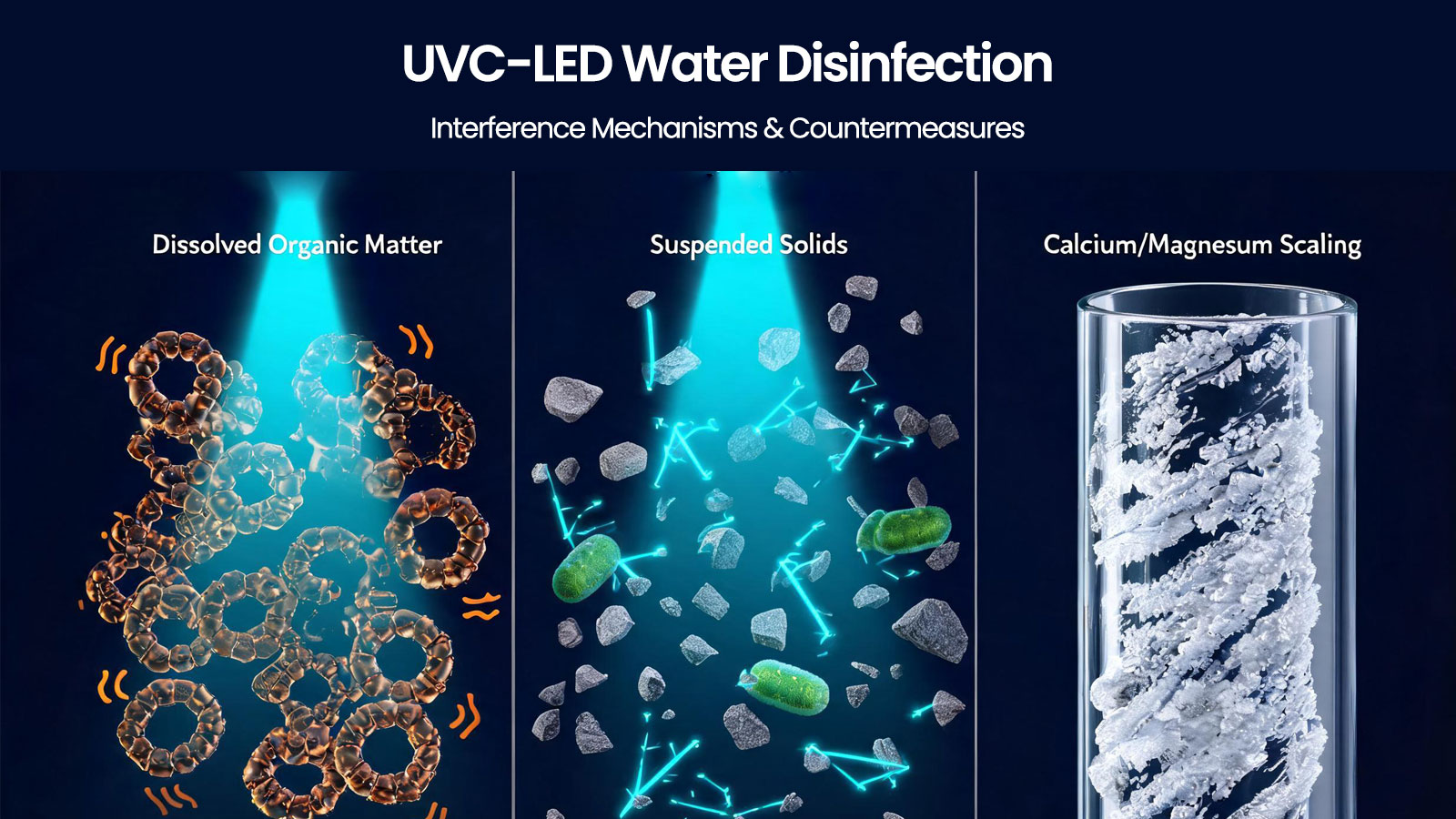 The content covers:1. Application advantages of UVC-LED for water disinfection2. Main interference factors in water and typical effects (with a data table)3. Prevention and control measures against water interference factors4. ConclusionI. Application Advantages of UVC-LED Water DisinfectionUVC LED
 -
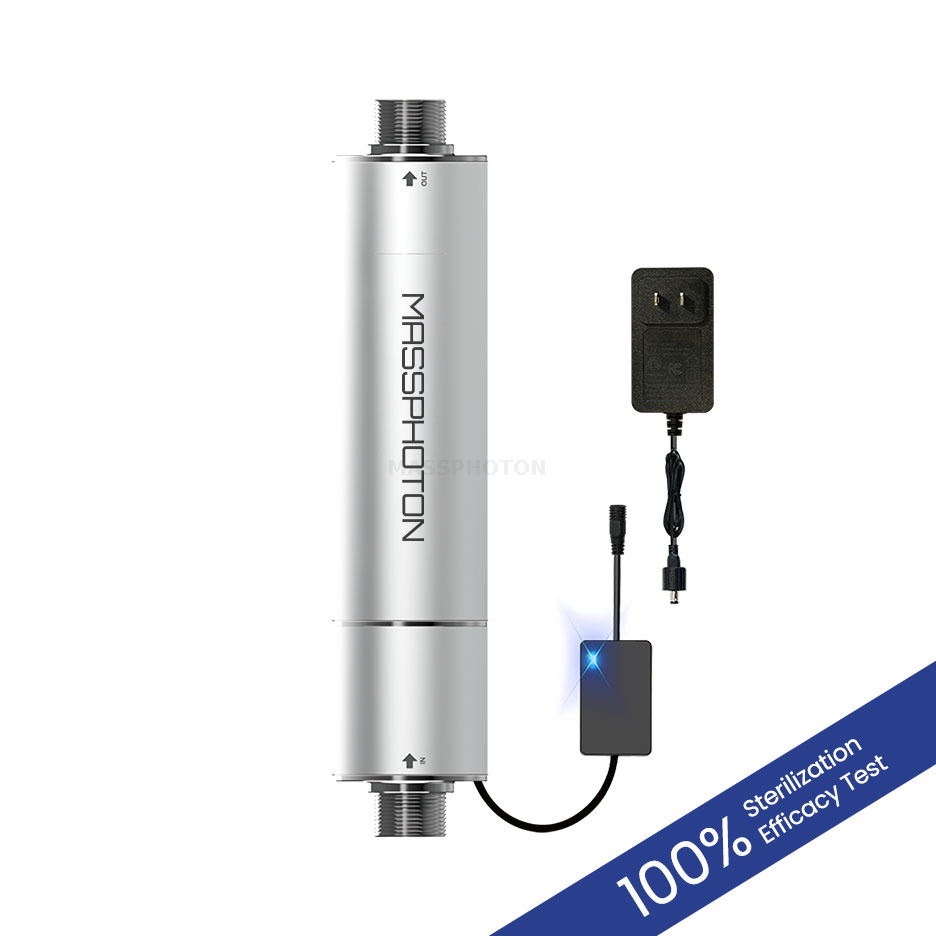 Deploying solid-state UVC LED water disinfection systems requires an accurate assessment of reactor hydrodynamics, targeted wavelengths, and source water quality variables like UV Transmittance (UVT). Unlike fragile, continuous-burn mercury lamps, deep UV LEDs offer space-saving footprints and instant on/off cycling that match real-world fluid dynamics. By coupling constant-current drivers with robust thermal management arrays, facility engineers can deliver precise germicidal doses to neutralize chlorine-resistant pathogens. This technical overview provides the sizing criteria, implementation strategies, and regulatory compliance paths needed to secure sustainable, chemical-free biosecurity.
