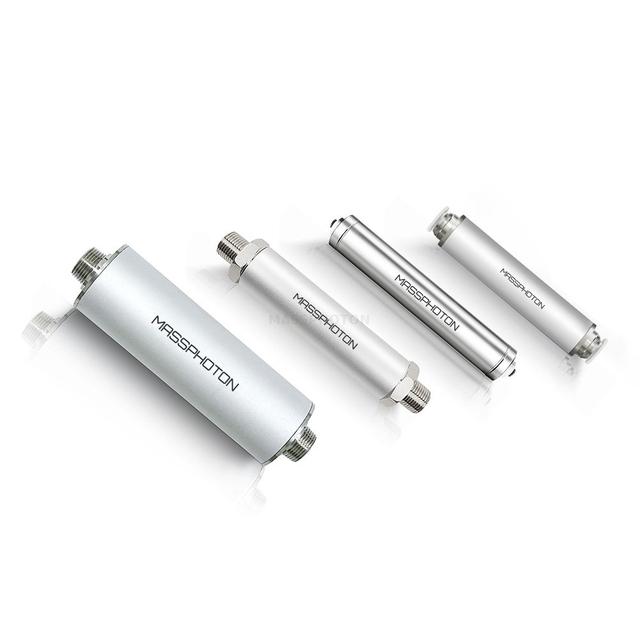
Since ultraviolet light was first used for drinking water disinfection in 1910, this technology has been widely applied in the food and beverage industry. UVC ultraviolet light (wavelength 200–280 nm) can effectively inactivate microorganisms such as bacteria, viruses, fungi, algae, and protozoa within seconds, without the need to add chemical agents. It does not alter the taste, odor, or composition of water, yet provides stable and reliable disinfection results.
Food safety allows no room for negligence. In food and beverage production, water serves not only as a raw material for products but is also extensively used in cleaning, cooling, blending, and CIP (Clean-in-Place) processes. Microbial contamination is often invisible, and once contaminated water enters the production flow, it can trigger product recalls, production line shutdowns, regulatory penalties, risks to consumer health, and long-term damage to corporate reputation. Today, with increasingly stringent regulations and standards such as HACCP and FSMA, companies face not only compliance requirements but also market expectations for “verifiable safety.”
Waterborne pathogens remain a primary source of contamination in food processing environments. Common microorganisms of concern include:
- Escherichia coli (E. coli)
- Salmonella spp.
- Listeria monocytogenes
- Cryptosporidium
- Giardia
- Enteric viruses
These organisms can enter treatment systems through:
- Municipal or groundwater sources
- Storage tanks
- Biofilm formation in pipelines
- Recirculating CIP systems
Failure to control microbial loads can lead to:
- Product recalls
- Regulatory non-compliance
- Export restrictions
- Civil liability and litigation
- Brand damage and revenue loss
Regulatory and International Compliance Frameworks
UVC water disinfection supports compliance with major international food safety standards, including:
- HACCP (Hazard Analysis and Critical Control Points)
- ISO 22000 Food Safety Management Systems
- U.S. Food and Drug Administration (FDA) 21 CFR
- EU Drinking Water Directive
- World Health Organization (WHO) Guidelines for Drinking-water Quality
Traditional water treatment methods such as chlorine disinfection or heat treatment have gradually revealed limitations in long-term use: chlorine can generate disinfection by-products like trihalomethanes and affect product flavor; heat treatment is energy-intensive, causes significant equipment wear, and is difficult to adapt to continuous production needs. In contrast, UVC achieves rapid inactivation by destroying the DNA or RNA structure of microorganisms, rendering them unable to reproduce. This method is effective against common pathogens such as E. coli, Salmonella, and Listeria, and is particularly suitable for parasites like Cryptosporidium and Giardia, which exhibit strong resistance to chlorine.
UVC systems are widely recognized as a validated physical disinfection method for drinking water and process water treatment. Unlike chemical disinfection, UVC does not introduce residual compounds that may require additional regulatory oversight.
UVC systems can be seamlessly integrated into existing water treatment or automated control systems, supporting online continuous operation without interrupting production processes. To achieve full-process risk control, it is recommended to deploy UVC disinfection at the following key water usage points:
- Raw water pretreatment: Disinfect at the initial stage when water enters the facility, serving as the first microbial barrier;
- Process water: Perform precise treatment on water directly used in product formulation to ensure final product safety;
- Recirculating cooling water: Suppress microbial growth in the system and reduce the risk of cross-contamination from cooling water contact;
- CIP reuse water: Apply UVC in cleaning water recirculation loops to help reduce chemical cleaning agent usage and improve water resource utilization efficiency.
It should be noted that the disinfection efficacy of UVC is influenced by factors such as water turbidity, UV transmittance, and flow rate. It typically requires pre-filtration and regular monitoring of UV dose to ensure effectiveness.
From a business perspective, the value of UVC systems extends beyond the technical level. A single medium-scale product recall can incur direct costs in the millions of yuan; when factoring in production downtime losses, legal expenses, and brand recovery costs, the total impact is even greater. The initial investment in UVC can be recovered within a reasonable timeframe through savings in chemical procurement, reduced manual intervention, and lower accident risks. More importantly, it provides companies with a quantifiable and traceable water quality safety assurance mechanism—which has become a substantial competitive advantage in a market where consumers increasingly demand transparency and accountability.
Food safety cannot rely on post-incident remediation but must be built on source prevention and process control. With its high efficiency, cleanliness, and integration capabilities, UVC water disinfection technology offers food and beverage companies a practical and sustainable path for water quality management.
If you need an assessment of the applicability of UVC systems in your existing production lines, we can provide tailored technical solutions and implementation recommendations based on specific process conditions, water usage volumes, and water quality parameters.