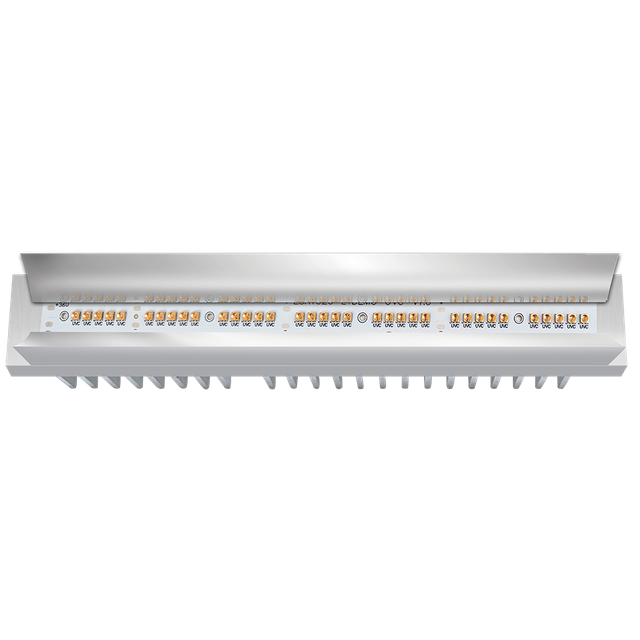
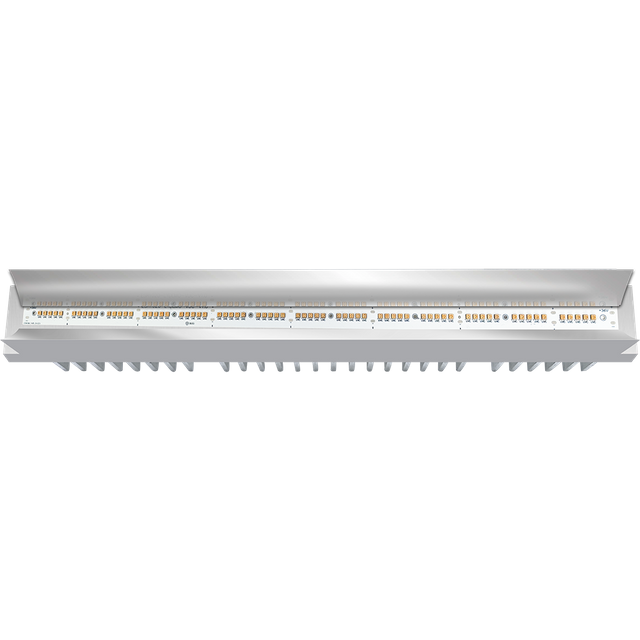
Have you ever wondered why UVC LEDs are so effective at killing germs? In this article, we’ll explore the wavelength of UVC light and how UVC LEDs use it for disinfection. You’ll learn how these cutting-edge technologies work and their benefits for public health.
UVC light is a type of ultraviolet radiation that is part of the broader UV spectrum. It consists of short-wavelength radiation, typically between 100 nm and 280 nm, making it the most energetic form of UV light. UVC light is primarily known for its germicidal properties, which have made it a crucial technology in disinfection systems like UVC LEDs.
In comparison to UVA and UVB light, UVC stands out for its ability to damage microorganisms at the molecular level. It is highly absorbed by DNA and RNA of harmful pathogens, preventing them from replicating. This is the reason UVC is often used in water purification and air sterilization technologies.
The wavelength of UVC light falls within the range of 100 to 280 nanometers (nm). This specific range is crucial for its germicidal effectiveness, as it carries more energy than UVA and UVB wavelengths. UVC light at the lower end of this range (around 200-220 nm) is particularly potent in disrupting the molecular structures of microorganisms, making it ideal for disinfection purposes.
UVC LEDs emit light that typically falls around 260-280 nm, which is a wavelength proven to be highly effective in disinfecting surfaces, air, and water. The higher the energy in the UVC spectrum, the more effective it is at killing bacteria, viruses, and other harmful microorganisms.
Here's a breakdown of UVC wavelengths and their effectiveness in different applications:
| Wavelength Range (nm) | Effectiveness | Common Uses |
|---|---|---|
| 200–220 nm | High germicidal effectiveness; most harmful to microorganisms | Water purification, surface disinfection |
| 250–270 nm | Common range for UVC LED devices | Air sterilization, medical applications |
| 270–280 nm | Optimal for UVC LED technology | General disinfection in industrial settings |
UVC light in the 100-280 nm range is absorbed by the Earth’s atmosphere, which is why it is typically not found in natural sunlight, unlike UVA or UVB. This makes UVC LEDs a valuable tool for creating safe, targeted disinfection solutions in controlled environments.
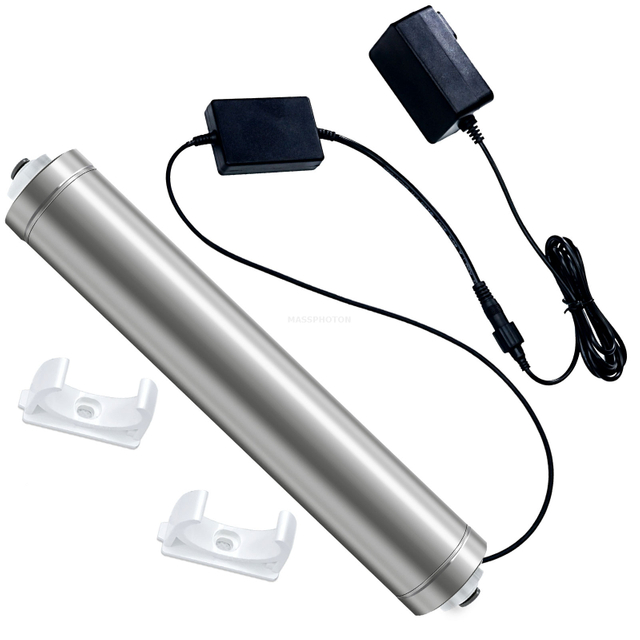
A UVC LED is a light-emitting diode that emits ultraviolet C (UVC) light. Unlike traditional light sources, UVC LEDs are solid-state devices that generate UV light without the use of mercury vapor, making them environmentally friendly and energy-efficient. These LEDs work by passing an electrical current through a semiconductor material, which then emits light at a specific wavelength, typically in the 200–280 nm range.
Advantages of UVC LEDs over traditional mercury vapor lamps include:
Longer lifespan: UVC LEDs last longer and can operate for thousands of hours, whereas mercury vapor lamps degrade faster.
Instant on/off: Unlike traditional lamps that need time to warm up, UVC LEDs turn on immediately.
Compact size: The small size of UVC LEDs allows for easier integration into various devices and applications.
No harmful chemicals: UVC LEDs don’t require mercury, reducing environmental impact when disposed of.
The mechanism behind UVC LED light emission is based on the interaction between semiconductor materials and electrical currents. When electricity flows through the semiconductor, electrons recombine with holes, releasing energy in the form of UV light.
Manufacturers fine-tune the wavelength of UVC LEDs by adjusting the material composition and thickness of the semiconductor layer. By modifying these factors, they can control the emission wavelength within the UVC spectrum to achieve optimal disinfection performance for specific applications.
| Factors Affecting UVC LED Wavelength | Impact on Light Emission |
|---|---|
| Semiconductor material | Determines the wavelength of emission |
| Layer thickness | Controls the energy levels and intensity |
| Doping elements | Fine-tunes the light emission spectrum |
UVC LEDs are revolutionizing the way industries approach disinfection and sterilization. These compact, energy-efficient LEDs are utilized in a variety of applications, offering distinct advantages in both effectiveness and safety.
Use of UVC LEDs in water purification, air disinfection, and surface sterilization:
Water purification: UVC LEDs are used in point-of-use and industrial water treatment systems to kill harmful microorganisms without the use of chemicals.
Air disinfection: Installed in HVAC systems, UVC LEDs are helping to sterilize air in commercial, healthcare, and residential spaces, reducing airborne pathogens.
Surface sterilization: UVC LEDs are used in sterilizing surfaces in food processing plants, medical facilities, and even smartphones, eliminating harmful bacteria and viruses.
Benefits of UVC LED technology include:
Efficiency: UVC LEDs are energy-efficient, consuming less power than traditional disinfection methods like mercury lamps.
Safer operation: UVC LEDs operate at lower temperatures, reducing the risk of burns or other injuries during use.
Targeted disinfection: The precise wavelength of UVC LEDs makes them highly effective at eliminating specific pathogens without harming other materials or environments.
| UVC LED Application | Industry | Benefit |
|---|---|---|
| Water Purification | Water treatment | Chemical-free, energy-efficient |
| Air Disinfection | Healthcare, commercial, residential | Reduces airborne pathogens |
| Surface Sterilization | Food, medical, consumer devices | Targeted disinfection, chemical-free |
UVC light is a powerful disinfectant because of its ability to disrupt the genetic material of harmful microorganisms. The high-energy photons in UVC light penetrate the cell walls of bacteria, viruses, and other pathogens, causing damage to their DNA or RNA, which prevents them from replicating and causing infection.
This makes UVC light highly effective in applications like air sterilization, water purification, and surface cleaning. By directly targeting microorganisms, UVC light offers a chemical-free and environmentally friendly solution for disinfection.
The most effective UVC wavelength for disinfection falls around 260-265 nm. This specific wavelength range is proven to maximize germicidal effectiveness, as it is strongly absorbed by the DNA and RNA of microorganisms.
Why is this wavelength particularly effective?
It directly interacts with genetic material, causing thymine dimers, which disrupt the genetic functions of microbes.
Wavelengths in this range are optimized for germicidal applications, meaning they provide the best balance between disinfection effectiveness and safety for equipment and humans.
| UVC Wavelength (nm) | Effectiveness for Disinfection |
|---|---|
| 260–265 | Optimal for disinfection of DNA and RNA |
| 270–280 | Still effective but less optimal than 260-265 nm |
In UVC LEDs, these wavelengths are often used in sterilization systems where precise control over light emission ensures effective bacterial and viral inactivation.
Far-UVC light (200–230 nm) is a newer innovation that has gained attention for its potential advantages in occupied spaces. Unlike traditional UVC light, which can be harmful to human skin and eyes, Far-UVC is absorbed by the outer layers of the skin and does not penetrate deeply, making it safer for humans.
Researchers are exploring Far-UVC for use in occupied public spaces, like hospitals, offices, and transportation systems, where constant disinfection is required without posing a risk to human health.
Far-UVC light has shown to be effective in inactivating pathogens, particularly those in the air, and is less harmful to humans than traditional UVC. However, regulated exposure is still necessary, and current research is being conducted to ensure long-term safety in practical applications.
In recent years, UVC LED technology has seen significant advancements in terms of efficiency and lifespan. Modern UVC LEDs are now more energy-efficient, providing longer service life while consuming less power. This is crucial for industries aiming to cut energy costs and reduce environmental impact.
Key improvements include:
Increased efficiency: New materials and design techniques have improved the light output of UVC LEDs, meaning more effective disinfection with less energy consumption.
Longer lifespan: Advanced technologies now allow UVC LEDs to last longer, reducing the need for frequent replacements. This improves cost-effectiveness for businesses.
Compact designs: As UVC LEDs become smaller and more powerful, they can be incorporated into a wider range of disinfection systems, from small portable devices to large industrial applications.
Ongoing research is focused on making UVC LEDs even more cost-effective and sustainable. This includes exploring new materials that can further enhance the performance of UVC LEDs while making them more affordable for widespread use.
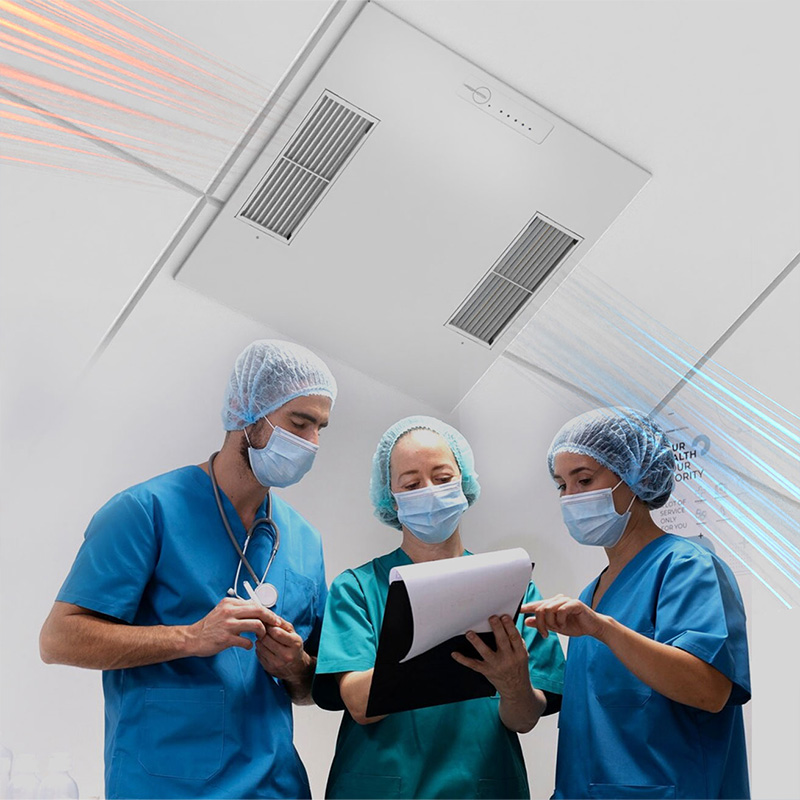
The future of UVC LED systems looks incredibly promising, especially in the field of disinfection. With improvements in UVC LED technology, these systems are expected to play a crucial role in areas such as air purification, water treatment, and surface sterilization. UVC LEDs are already being used to disinfect medical equipment, HVAC systems, and even public spaces, making the technology an essential part of future public health solutions.
Predictions for UVC LED growth include:
Air and water purification: UVC LEDs will continue to be used for disinfecting air and water, reducing harmful microorganisms without the use of chemicals. With growing concerns about environmental sustainability, UVC LEDs offer a chemical-free alternative for cleaning water in both commercial and residential settings.
Medical and commercial applications: The use of UVC LEDs in medical environments will increase, helping to sterilize tools and reduce hospital-acquired infections. Commercial spaces, such as restaurants and offices, will also adopt UVC LEDs for continuous surface sterilization.
As UVC LED technology advances, safety remains a top priority. The use of UVC LEDs in public spaces, especially in environments with human exposure, is governed by stringent safety standards and regulations. The risk of UV exposure can cause skin and eye damage if not properly controlled. Therefore, ensuring safe operation of UVC LED devices is critical to their widespread adoption.
Key safety considerations include:
UV exposure limits: Regulatory bodies, such as the FDA and OSHA, set limits on UV exposure to ensure that devices using UVC LEDs are safe for human use. These limits are designed to protect skin and eyes from excessive exposure to UVC light.
Device shielding: Many UVC LED products are equipped with shields or safety features that prevent direct exposure to UV light, ensuring that only the target area or surface is exposed to the radiation.
Ongoing safety testing: Manufacturers must conduct rigorous safety testing to ensure their UVC LED products meet all regulatory standards before being marketed to the public.
The wavelength of UVC light ranges from 100 to 280 nm and plays a key role in microbial inactivation. UVC LEDs emit light in this range, providing a chemical-free and efficient disinfection method. MASSPHOTON specializes in UVC LED technology, offering compact, energy-efficient solutions for water, air, and surface sterilization, contributing to public health and environmental safety.
A: UVC light is a type of ultraviolet radiation with wavelengths between 100 and 280 nm. It is highly effective at inactivating microorganisms.
A: UVC LEDs emit ultraviolet light in the 200–280 nm range to disinfect surfaces, air, and water by disrupting the DNA or RNA of pathogens.
A: UVC light is effective because it damages the genetic material of microbes, preventing them from reproducing, making it ideal for sterilization.
A: UVC LEDs are energy-efficient, long-lasting, and mercury-free, making them safer and more environmentally friendly than traditional mercury vapor lamps.
A: UVC LEDs are commonly used in air purification, water treatment, and surface sterilization to provide chemical-free disinfection in both medical and commercial settings.