Author: Site Editor Publish Time: 15-05-2026 Origin: Site


Introduction: The Challenge of Antimicrobial Resistance
With the widespread use of antibiotics and chemical disinfectants, antimicrobial resistance (AMR) has become an increasingly serious global issue, leading to the emergence of so-called “superbugs.” These pathogens can evade chemical treatments through mechanisms such as genetic mutations, efflux pumps, and biofilm formation, rendering conventional disinfection methods less effective. In this context, physical disinfection methods—characterized by their independence from chemical reactions and low potential to induce resistance—are gaining recognition as a more sustainable solution.
Limitations of Chemical Disinfectants
Chemical disinfectants, such as chlorine-based agents, quaternary ammonium compounds, and alcohols, inactivate microorganisms by reacting with cell membranes or critical enzymes. However, this process relies on specific molecular targets. Once bacteria develop mutations or upregulate efflux mechanisms, they can reduce intracellular concentrations of these agents and survive exposure. Moreover, long-term use of chemical disinfectants may result in environmental residues, irritation to human tissues, or the formation of toxic by-products when reacting with organic matter, further limiting their applicability.
Principles of Physical Disinfection
Physical disinfection relies on forces such as heat, light, electricity, or mechanical structures to directly damage microbial cells. For example, high temperatures denature proteins, while ultraviolet (UV) radiation disrupts nucleic acids. These mechanisms do not depend on specific biochemical targets but instead attack the structural integrity of microorganisms in a non-selective manner, making it fundamentally difficult for resistance to develop.
Among physical disinfection technologies, UVC LED is rapidly emerging as a key solution for combating resistant bacteria. It utilizes deep ultraviolet light to directly damage microbial genetic material, achieving efficient, chemical-free inactivation. As a result, it is increasingly viewed as a more sustainable alternative to traditional chemical disinfectants.
Why Physical Disinfection Is Superior to Chemical Methods
No Risk of Resistance Development
Microorganisms cannot easily adapt to physical stresses such as heat or UV radiation through genetic mutation or metabolic regulation. In contrast, chemical disinfectants with specific targets tend to promote the selection of resistant strains over time.
Broad-Spectrum Efficacy
Physical disinfection methods are generally effective against a wide range of microorganisms, including bacteria, viruses, fungi, and even spores. This makes them particularly suitable for complex environments where multiple resistant pathogens coexist. Chemical disinfectants, on the other hand, often have narrower efficacy and can be significantly inhibited by organic matter or biofilms.
Long-Lasting and Low Dependency
Antimicrobial surfaces based on physical structures (such as mechanically bactericidal coatings) can provide long-term protection without the need for frequent replenishment. Unlike chemical agents, they do not degrade rapidly over time, reducing reliance on consumables. This “self-disinfecting” approach helps lower the risk of cross-contamination and the spread of resistant bacteria.
Environmentally and Health Friendly
Physical disinfection technologies do not rely on volatile or toxic chemicals, resulting in minimal residues and improved safety for both the environment and human health. They are well suited for high-frequency, long-term use in hospitals, food processing, and public facilities.
Applications and Future Outlook
Physical disinfection has already been widely applied in areas such as medical device sterilization, hospital UV disinfection, and antimicrobial coatings for food processing equipment. UVC LED technology, in particular, is gaining traction due to its compact size, ease of integration, mercury-free design, and long operational life. It is now commonly used in air purifiers, water treatment systems, sterilization boxes for personal items (such as phones, tableware, and toothbrushes), and hospital-grade sterilization environments, making it a critical tool in combating antimicrobial resistance.
Within this ecosystem, MASSPHOTON’s core business can focus on the following areas:
High-Reliability UVC LED Chips and Modules
MASSPHOTON develops high-efficiency, long-lifetime, and low-thermal-consumption UVC LED chips and modules, delivering stable and reliable physical disinfection light sources. These solutions ensure consistent and effective performance even under continuous operation and high-frequency disinfection conditions.
Water and Air Disinfection Systems
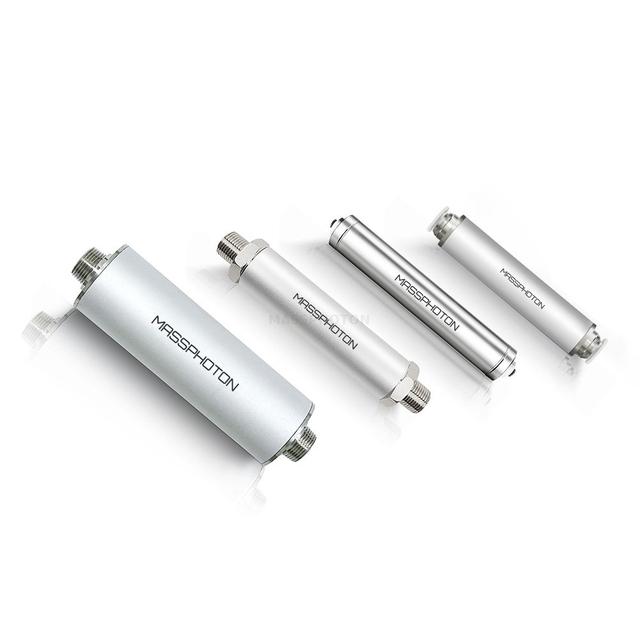
Leveraging the compact and modular nature of UVC LEDs, MASSPHOTON provides plug-and-play disinfection modules for integration into water purification systems, HVAC units, air purifiers, and fresh air systems. These modules enable continuous, chemical-free inactivation of waterborne resistant bacteria and airborne viruses, helping to build safer drinking water and indoor air environments for hospitals, schools, households, and public spaces.
Conclusion
As antimicrobial resistance continues to pose a growing threat, physical disinfection—characterized by its non-specific mechanisms, low risk of resistance development, and broad-spectrum effectiveness—is emerging as a critical complement or even alternative to chemical disinfectants. Advancing and adopting physical disinfection technologies across public health, healthcare, and food industries will play a key role in building a safer and more sustainable defense against infections.