Author: Site Editor Publish Time: 04-12-2025 Origin: Site


Many laboratories are accustomed to using UV germicidal lamps during the disinfection process of biosafety cabinets. UV light kills microorganisms by damaging their DNA, which sounds like a perfect disinfection method. However, traditional low-pressure mercury lamps have some inherent and easily overlooked limitations. These "pitfalls" can significantly reduce the disinfection effectiveness and even pose safety hazards.

Here are three of the most common misconceptions, and how we can avoid them through new technologies.
Pitfall One: Failure in Surface Decontamination
You must never rely solely on the UV lamp in a biosafety cabinet for thorough disinfection. The reason is that the UV light emitted by traditional low-pressure mercury lamps (254nm) travels in straight lines and has extremely weak penetration. The complex structures inside the biosafety cabinet (such as the front window operation port, brackets, instruments, and even the grooves in petri dishes) create numerous "shadow zones." These areas receive no effective UV dose at all, becoming "safe houses" for microorganisms (especially stubborn spores). Lab personnel often mistakenly believe that turning on the UV lamp for a period of time completes a comprehensive disinfection, when in reality, key contamination points may remain completely untouched.
UVC LED Solution: Precision and Instantaneity
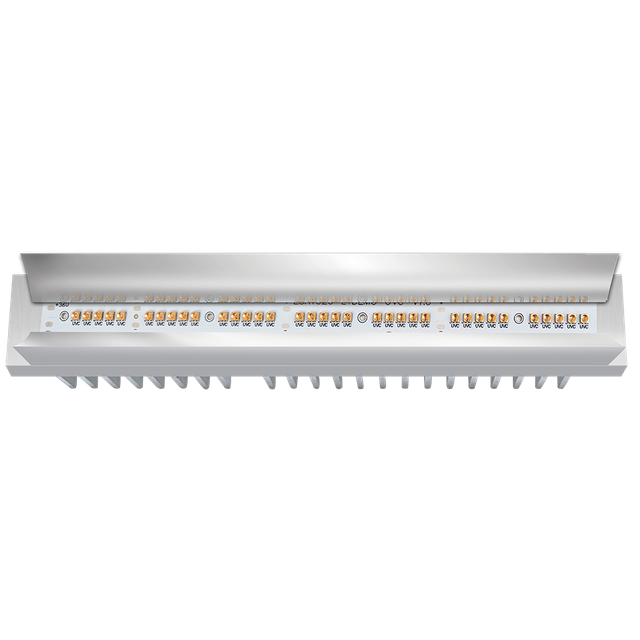
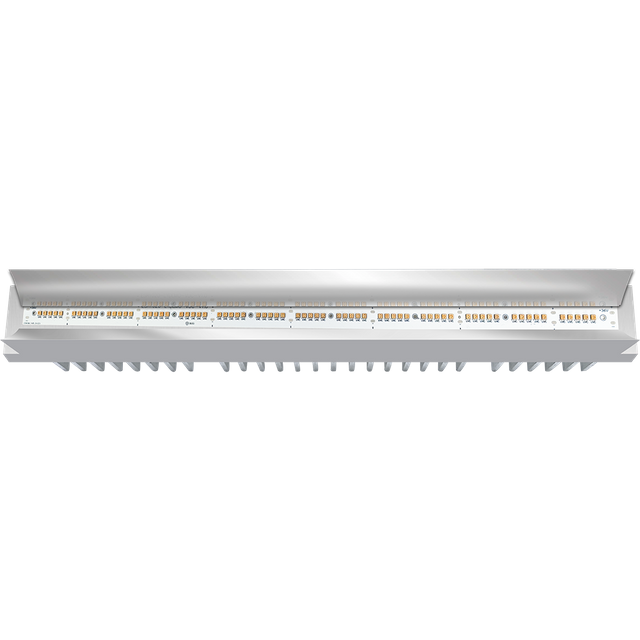
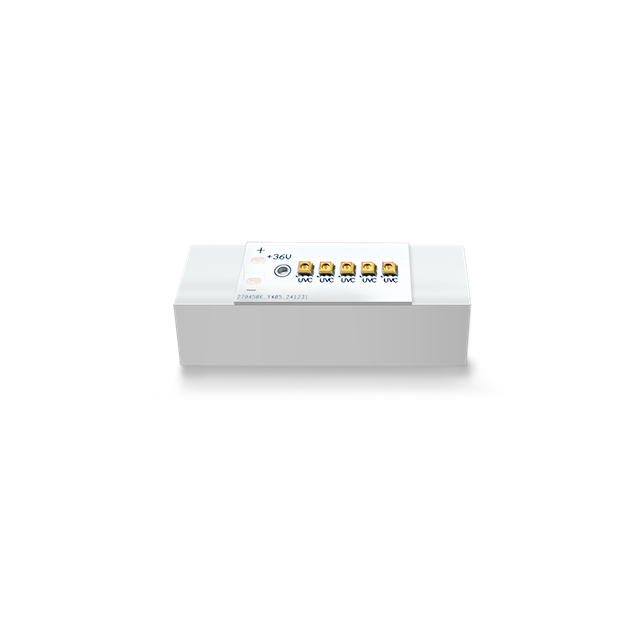
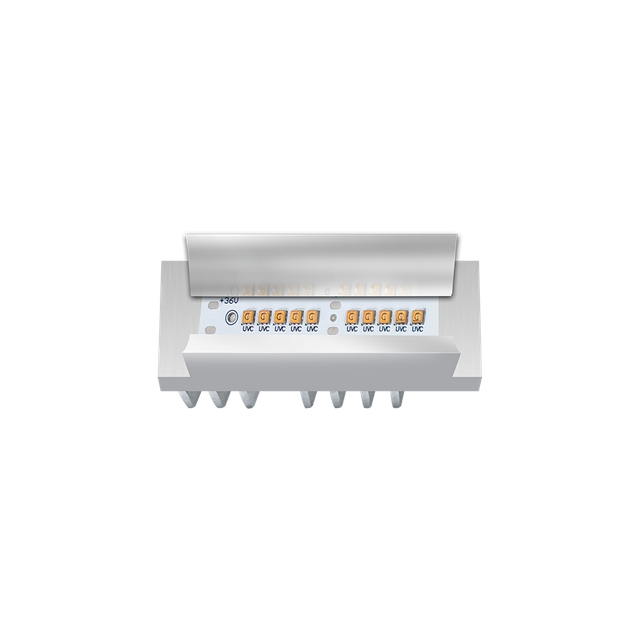
Traditional UV lamp tubes require preheating to reach optimal output, and the light scatters with low energy utilization efficiency. In contrast, UVC LED chips can be designed with directional emission angles to precisely cover grooves, seams, and shadow areas under equipment that traditional lamps cannot reach, enabling targeted irradiation and enhanced disinfection in critical zones. They start up quickly, ready to use immediately without waiting, improving disinfection efficiency and convenience. Moreover, their strong directional light leads to higher energy utilization.

Pitfall Two: Not Replacing Bulbs Regularly
The UV output intensity of low-pressure mercury lamps declines sharply with usage time (typically dropping by more than 30% after 5,000 hours), and it is easily affected by environmental temperature and voltage fluctuations. Laboratories often rely on fixed durations (such as 30 minutes) for disinfection but rarely use professional UV irradiance meters to calibrate the actual dose periodically. When the lamp ages or the environment is suboptimal, the actual sterilizing dose received may be far below the minimum threshold required to inactivate microorganisms, rendering the disinfection ineffective. A key pitfall is that even if the lamp is still emitting visible light, its UV intensity may have already dropped to an ineffective level, exposing you and your research products to contamination risks without realizing it. Judging the replacement timing is difficult, often leading to bulbs being used beyond their service life.
UVC LED Solution: Ultra-Long Lifespan and Stable Output
UVC LEDs have a lifespan far exceeding that of traditional lamps (up to 15,000 hours or more), and their light decay process is much more gradual. Throughout their lifecycle, they provide relatively stable UV output, reducing uncertainties in disinfection effectiveness due to bulb aging, and lowering the maintenance costs and hassle of frequent replacements. More importantly, they can easily integrate real-time irradiance sensors and intelligent control units to dynamically monitor the actual UV dose at key points inside the cabinet, automatically alerting or extending irradiation time when intensity is insufficient, ensuring that every disinfection meets the "dose standard."
Pitfall Three: Inadequate UV Protection Measures
While UV light kills microorganisms, it is equally harmful to human cells. It can cause burns and long-term damage to skin and eyes. Particularly noteworthy is that the smooth inner walls of biosafety cabinets reflect UV light; even with the cabinet door closed, scattered UV light leaking into the lab can endanger staff safety. The safest practice is for personnel to leave the laboratory after turning on the UV light.
UVC LED Solution: Higher Safety and Controllability
UVC LED technology enables intelligent and safer disinfection. Due to its small size and ease of control, it can be easily integrated into interlocking systems. For example, it can be designed so that the UVC LED lights only activate when the biosafety cabinet's glass window is fully closed and locked; if someone approaches or opens the window, the system can immediately shut off the UV automatically, eliminating the risk of personnel exposure from the source. Additionally, LEDs contain no mercury, eliminating the risk of mercury contamination from traditional lamp breakage.
Conclusion: From "Inevitable Pitfalls" to "Intelligent Upgrade"
Although traditional low-pressure mercury lamps were once the standard for laboratory disinfection, their inherent physical limitations and operational blind spots no longer meet the high standards of modern biosafety. Recognizing these "inevitable pitfalls" is a crucial step toward higher-level laboratory management.
UVC LED technology, with advantages such as precise irradiation, ultra-long lifespan, instant response, intelligent integration, and mercury-free environmental friendliness, effectively avoids many drawbacks of traditional technologies. Although cost and power remain challenges for its full adoption, as the technology matures and scales up, UVC LED will undoubtedly become the core component of future intelligent laboratory disinfection systems.
As a pioneer in deep UV semiconductor technology, MASSPHOTON always focuses on high-reliability, high-intelligence, and high-safety UVC disinfection solutions. We are actively promoting UVC LED technology into applications with stringent biosafety requirements, including high-level laboratories and biopharmaceutical environments, providing core technical support for safer and smarter research infrastructure in the future.


Click to learn about MASSPHOTON UVC LED Disinfection Series
Get the "Biosafety Cabinet UVC Disinfection Solution" for free + Customized Solution Consultation